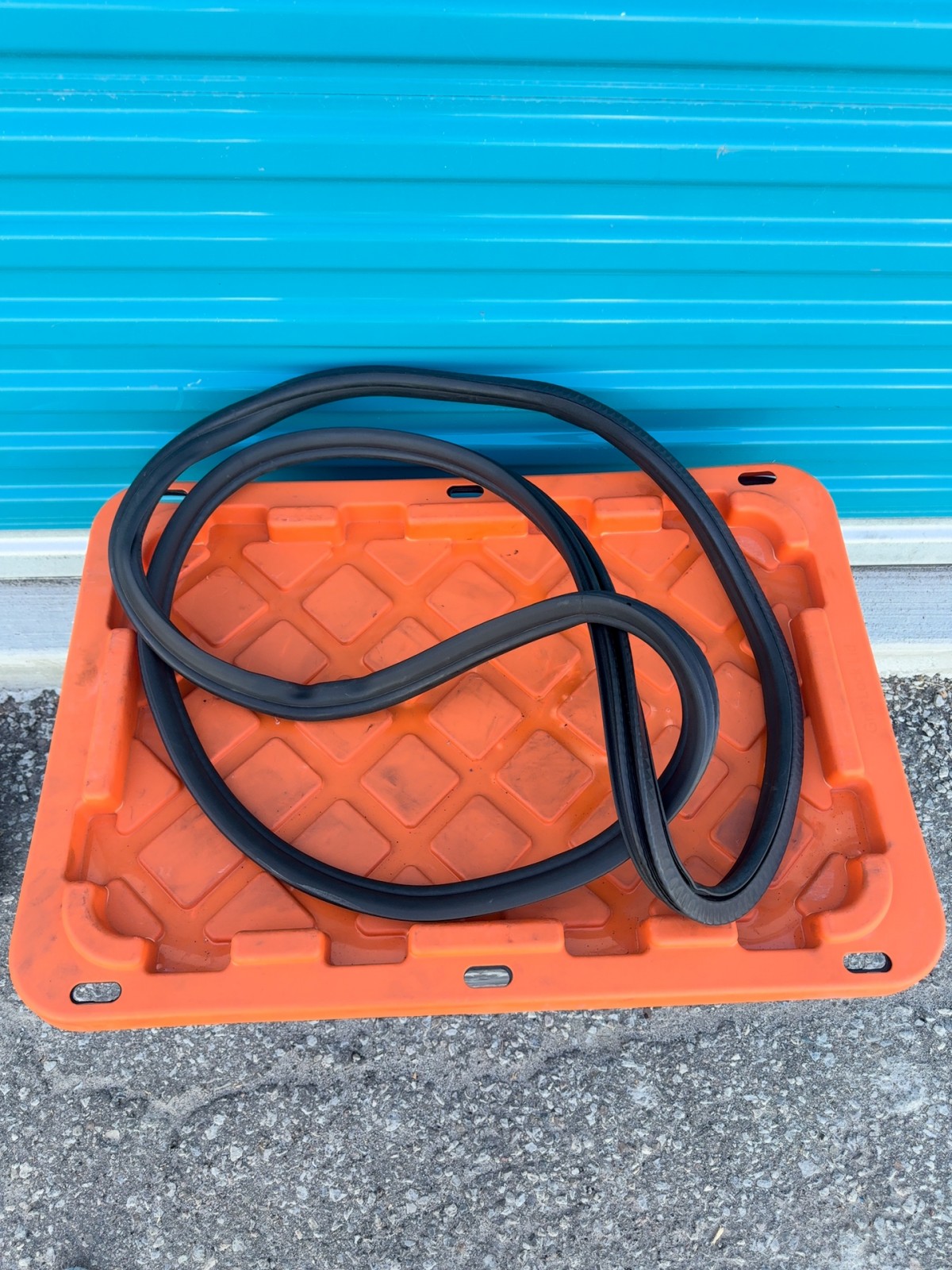
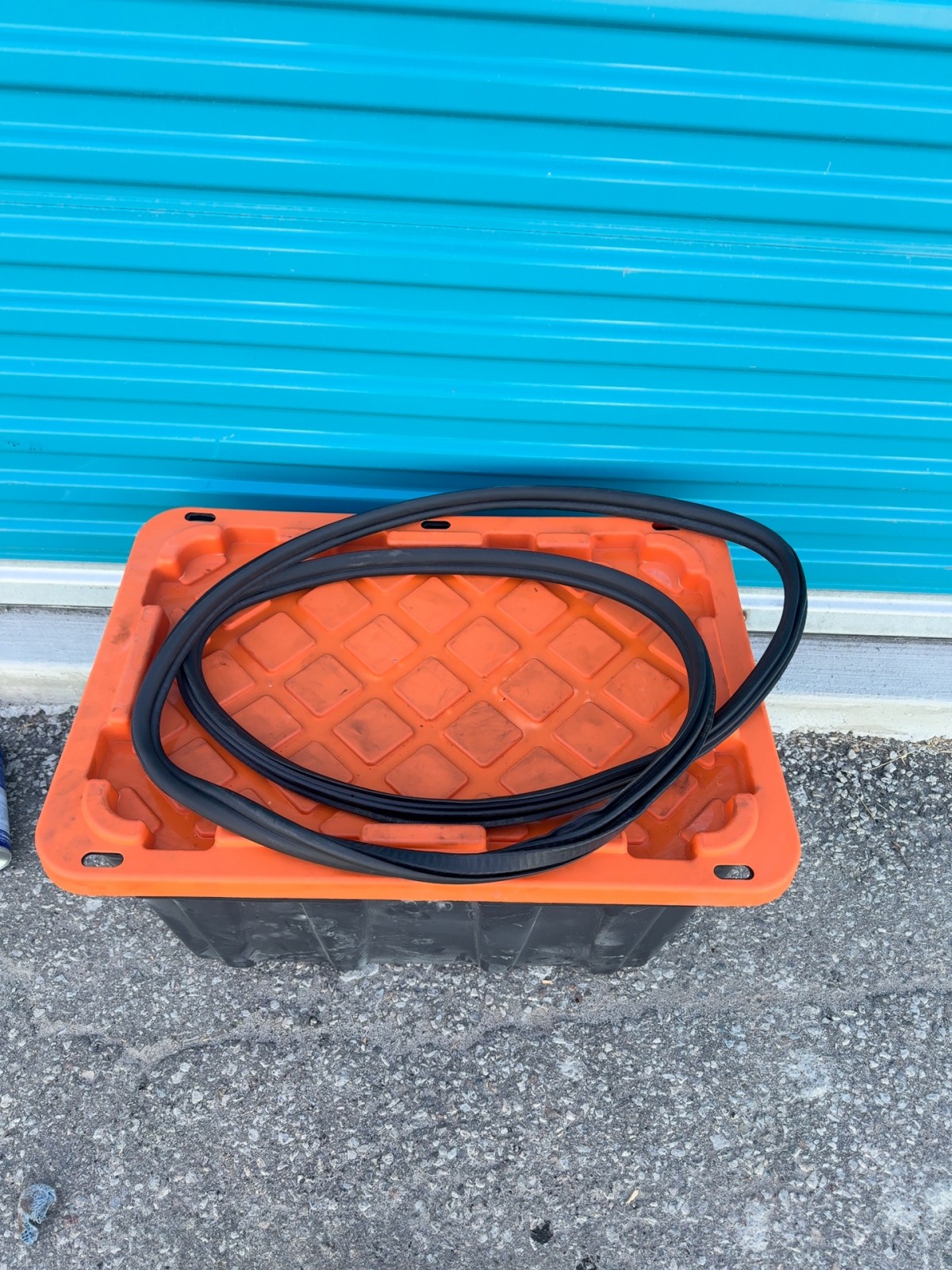
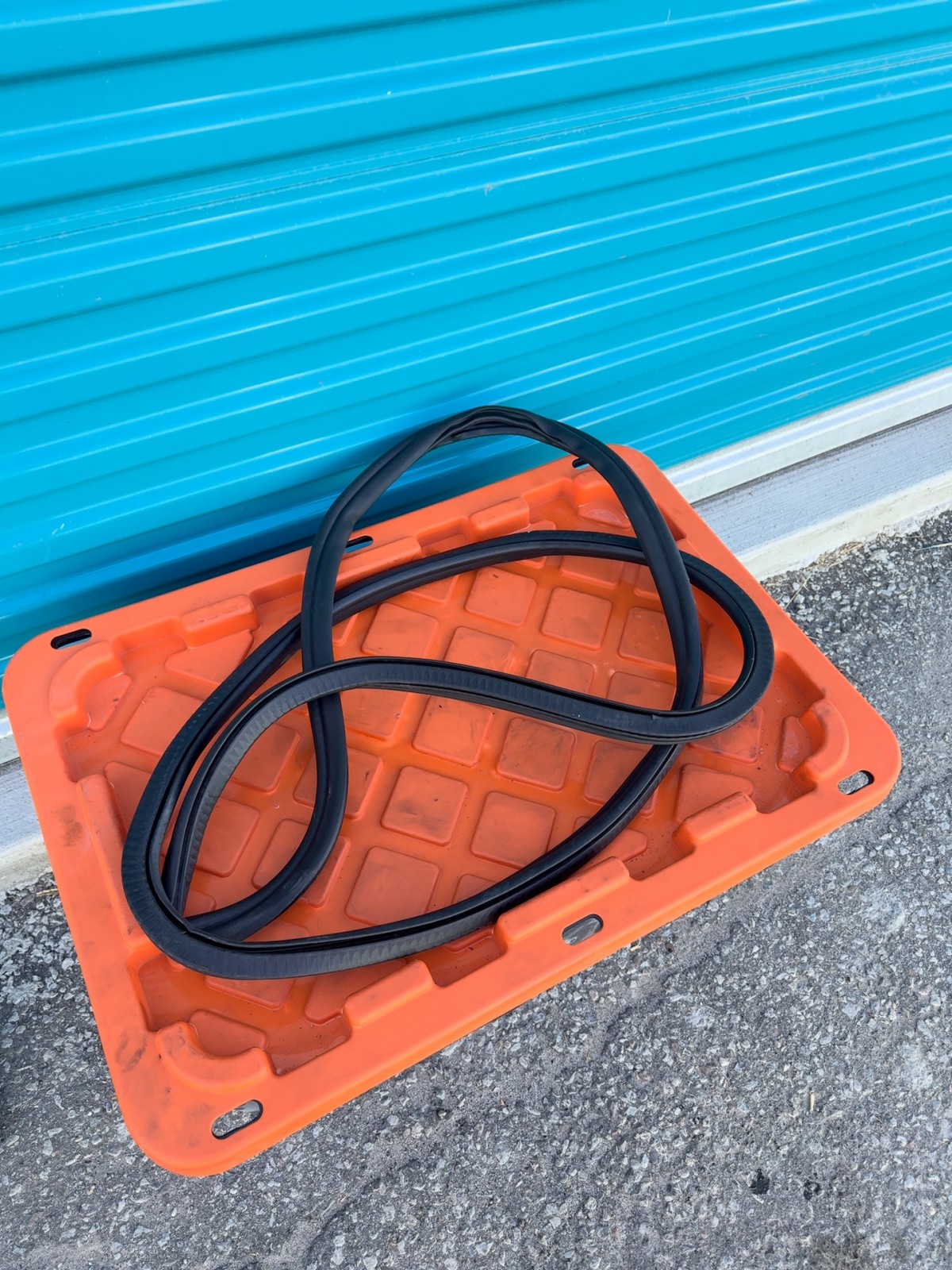
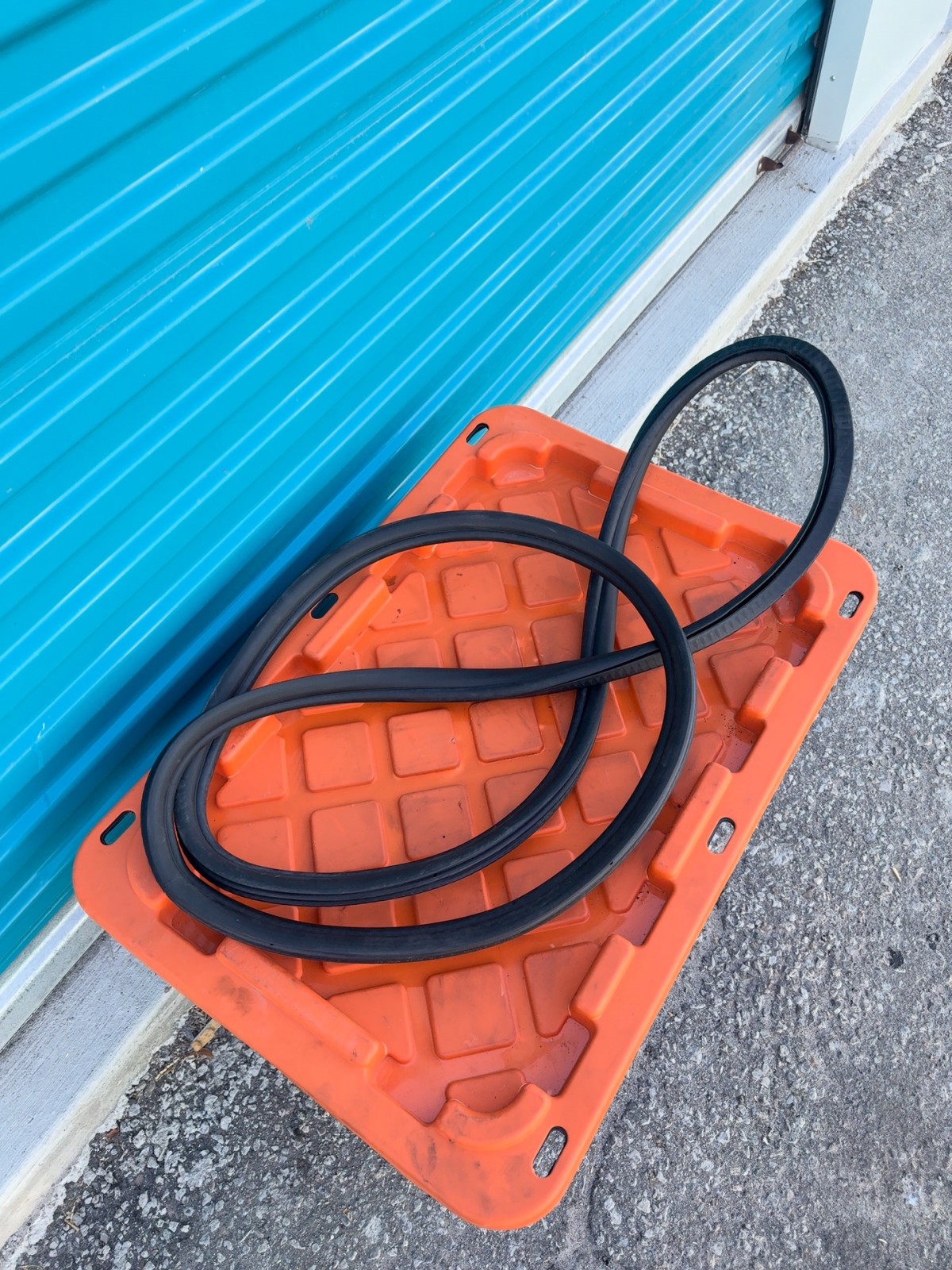
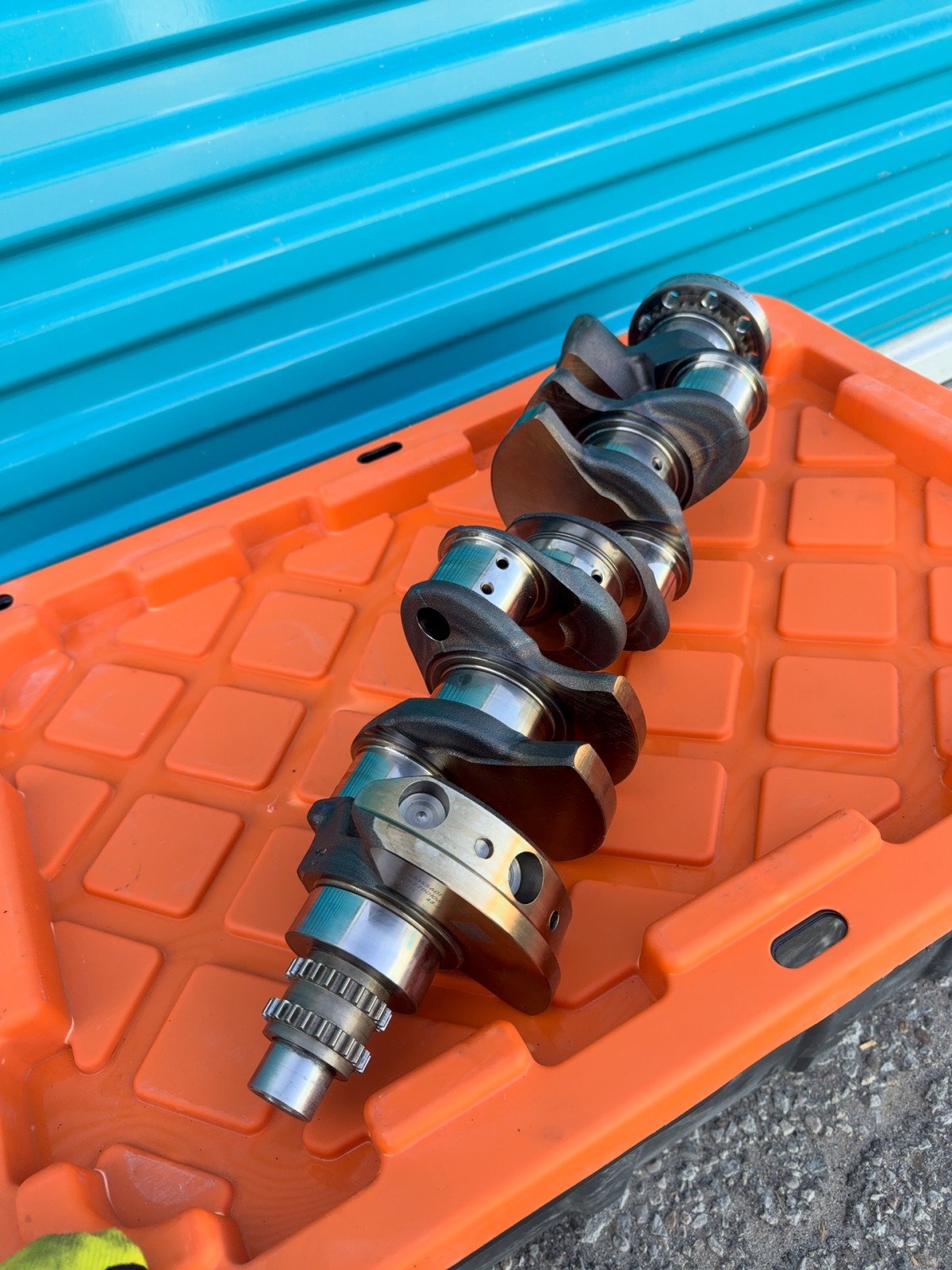
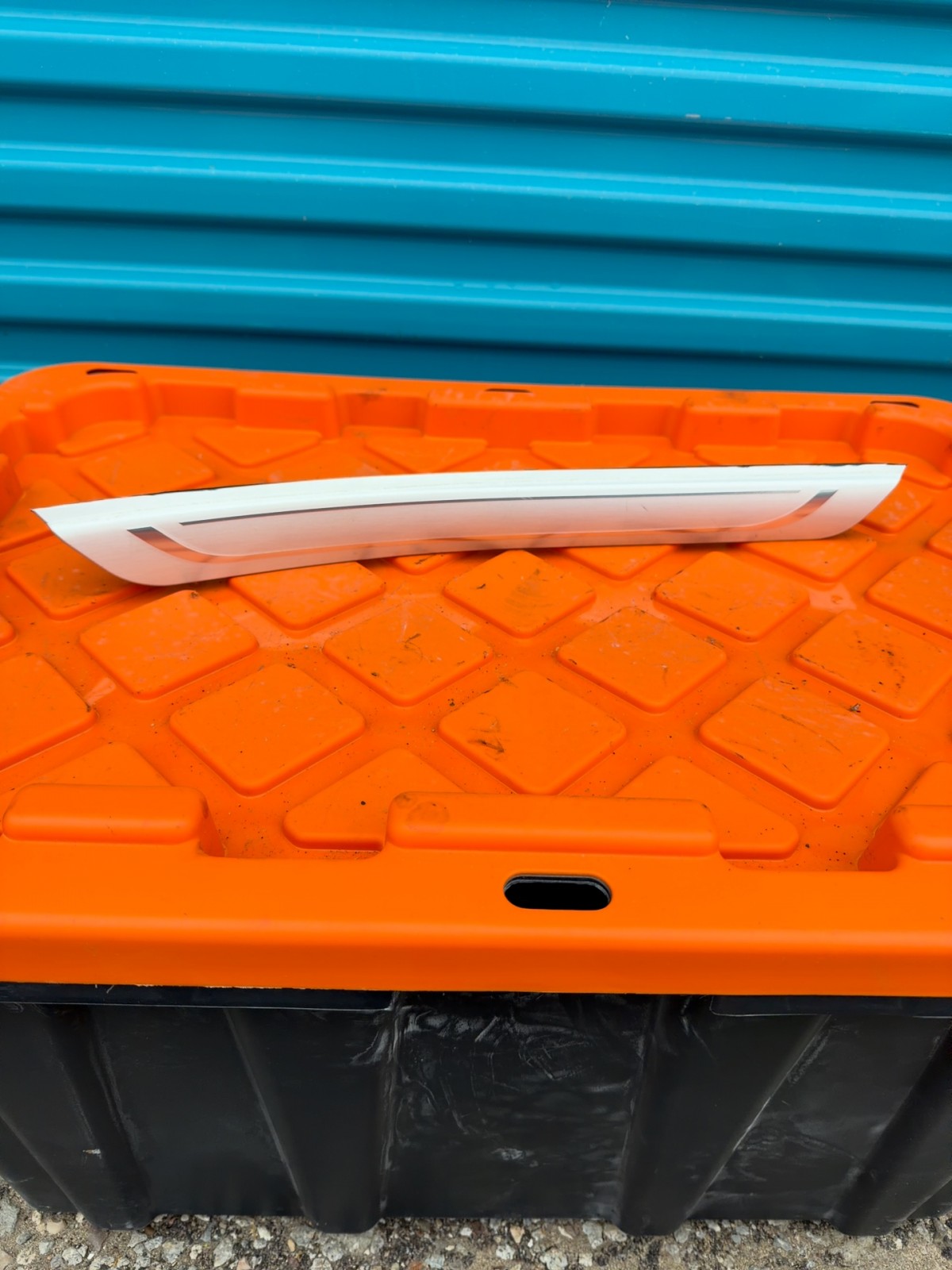
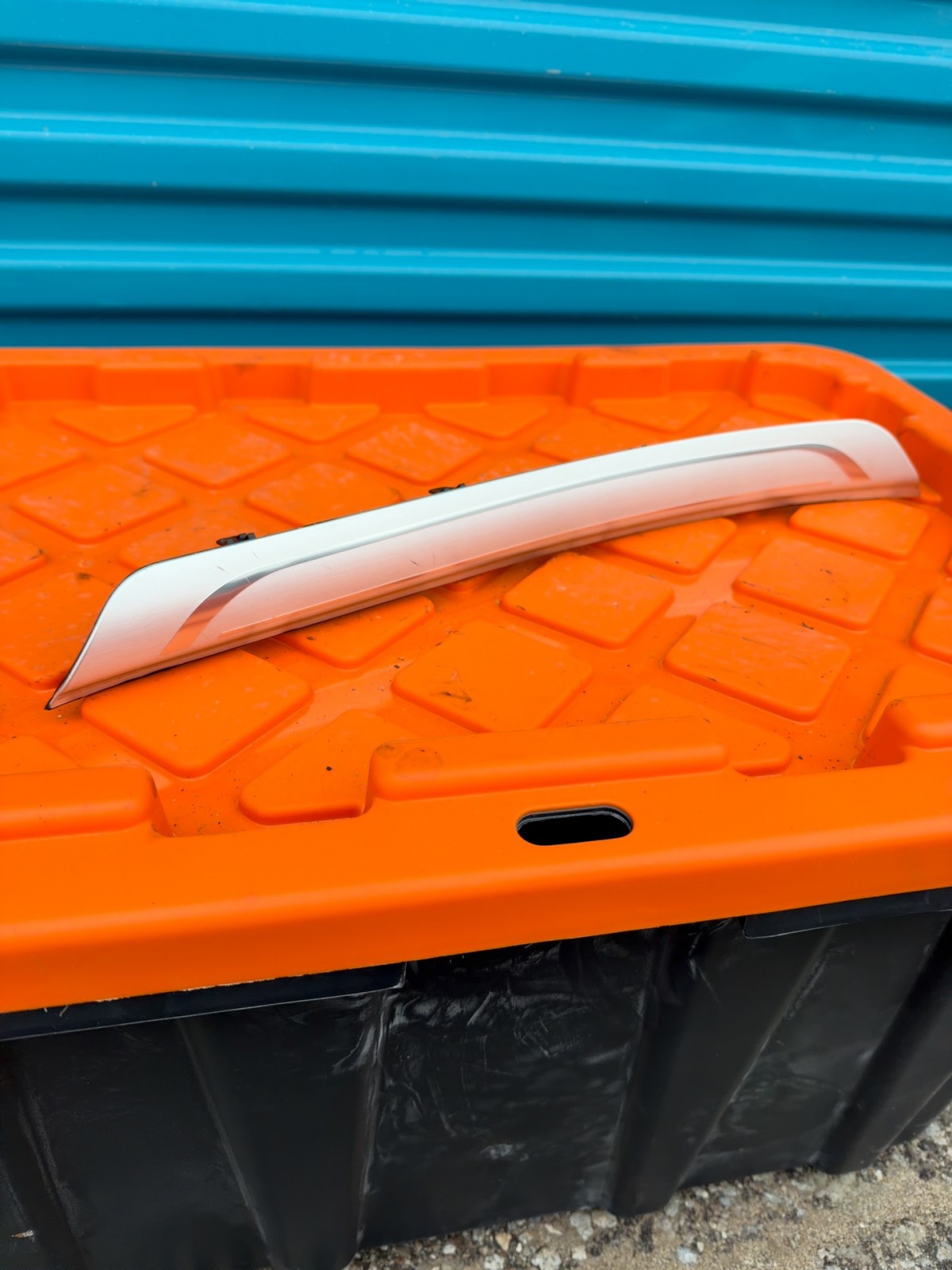
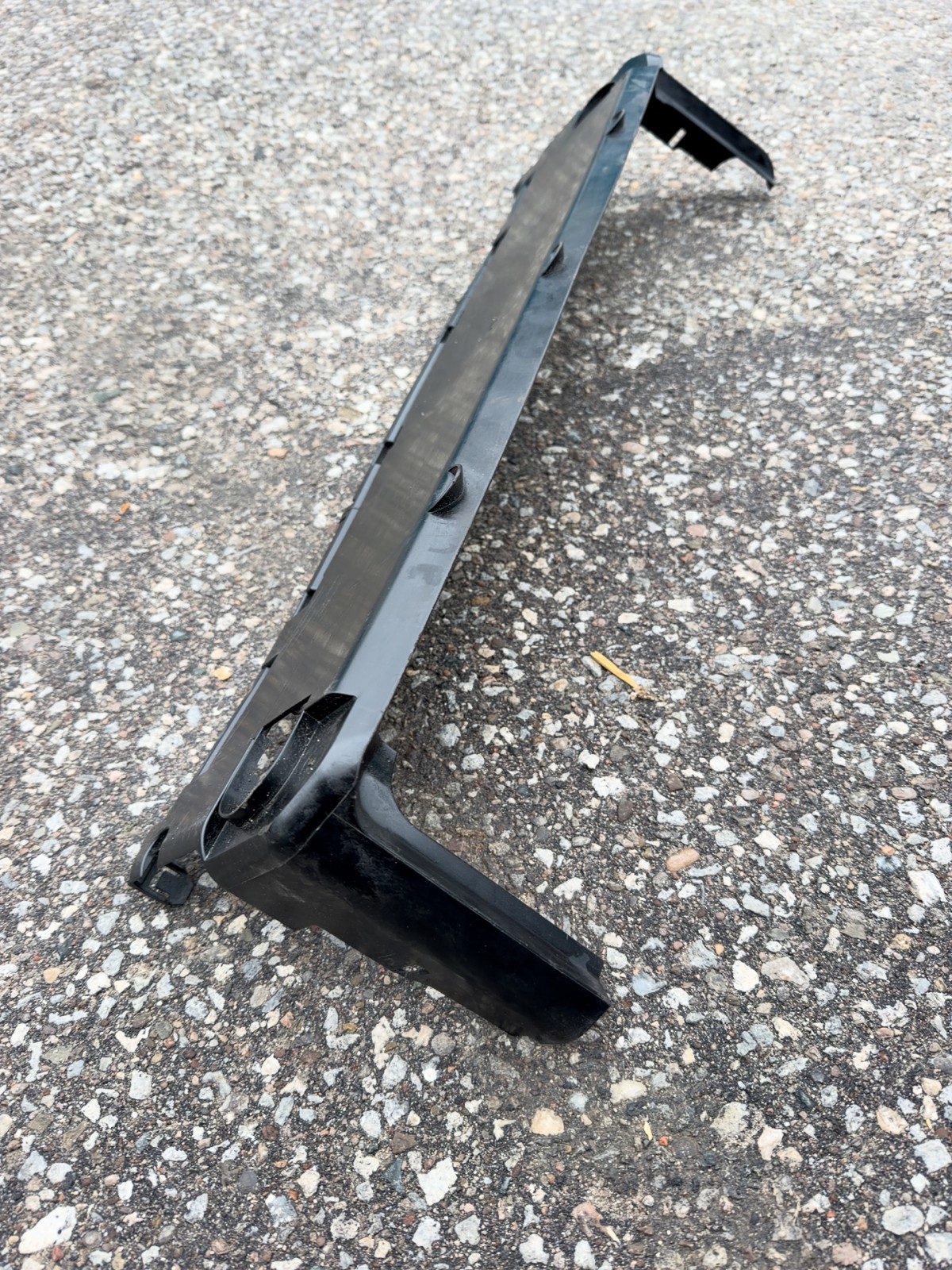
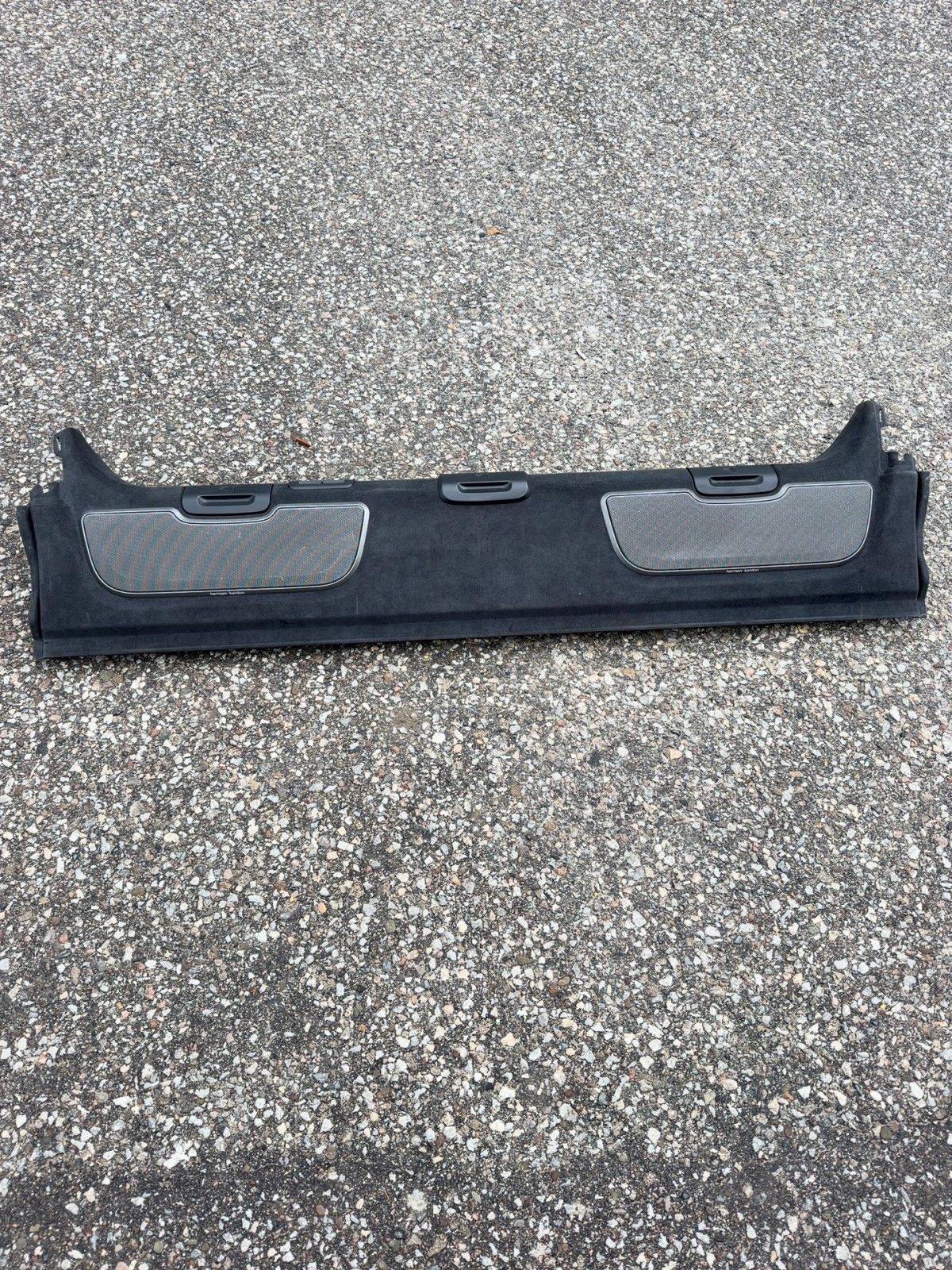
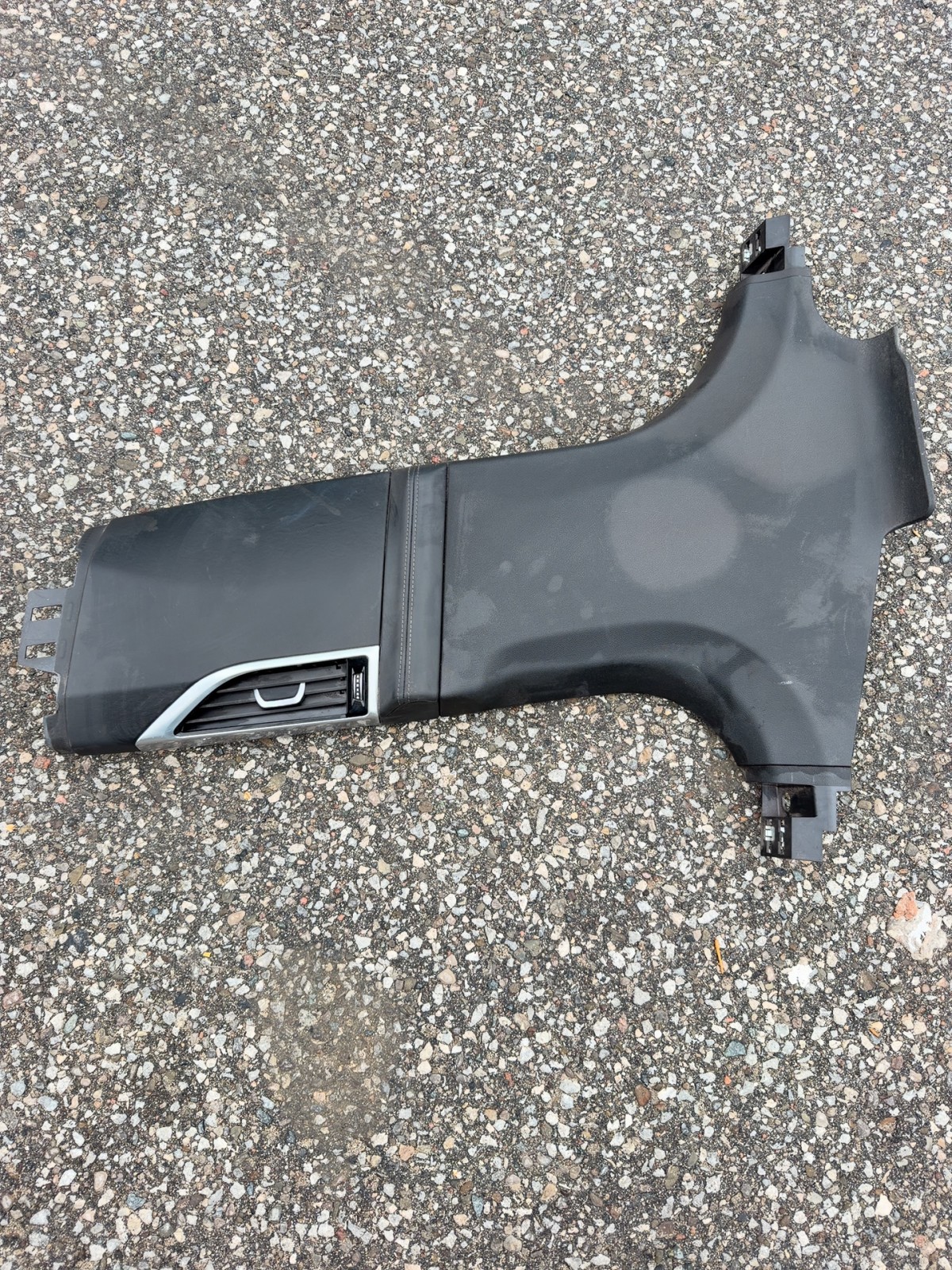
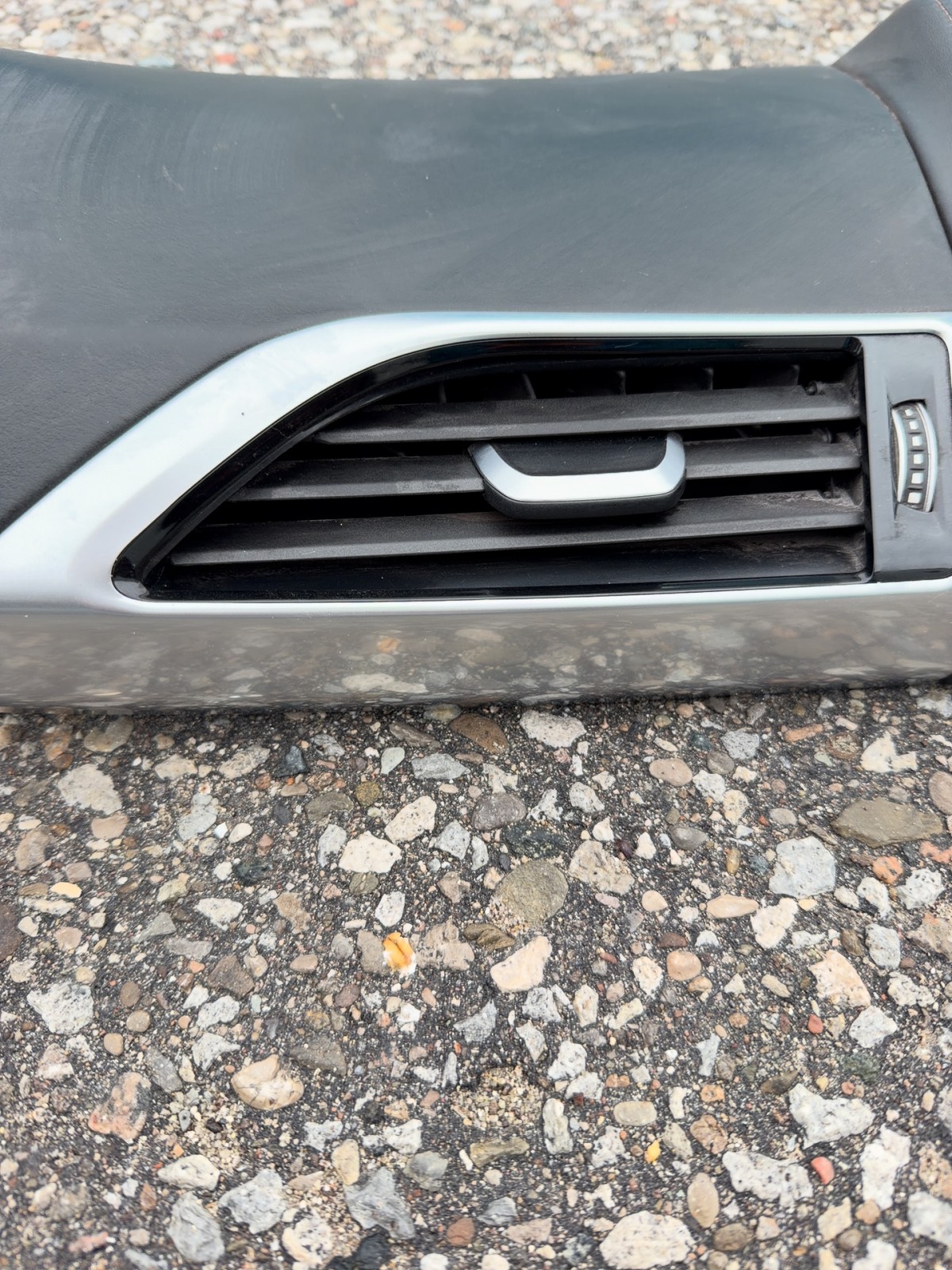
48 parts in stock


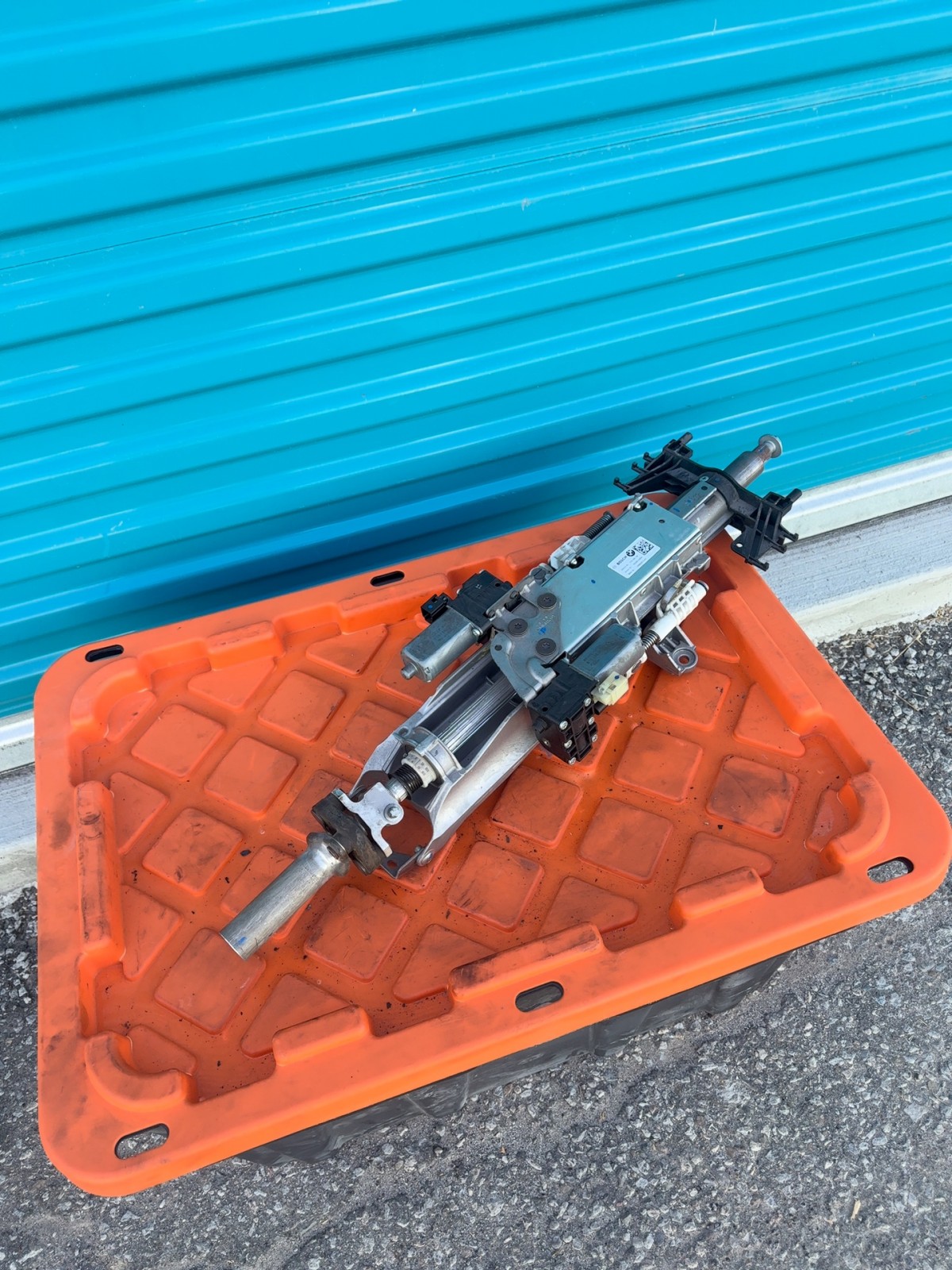

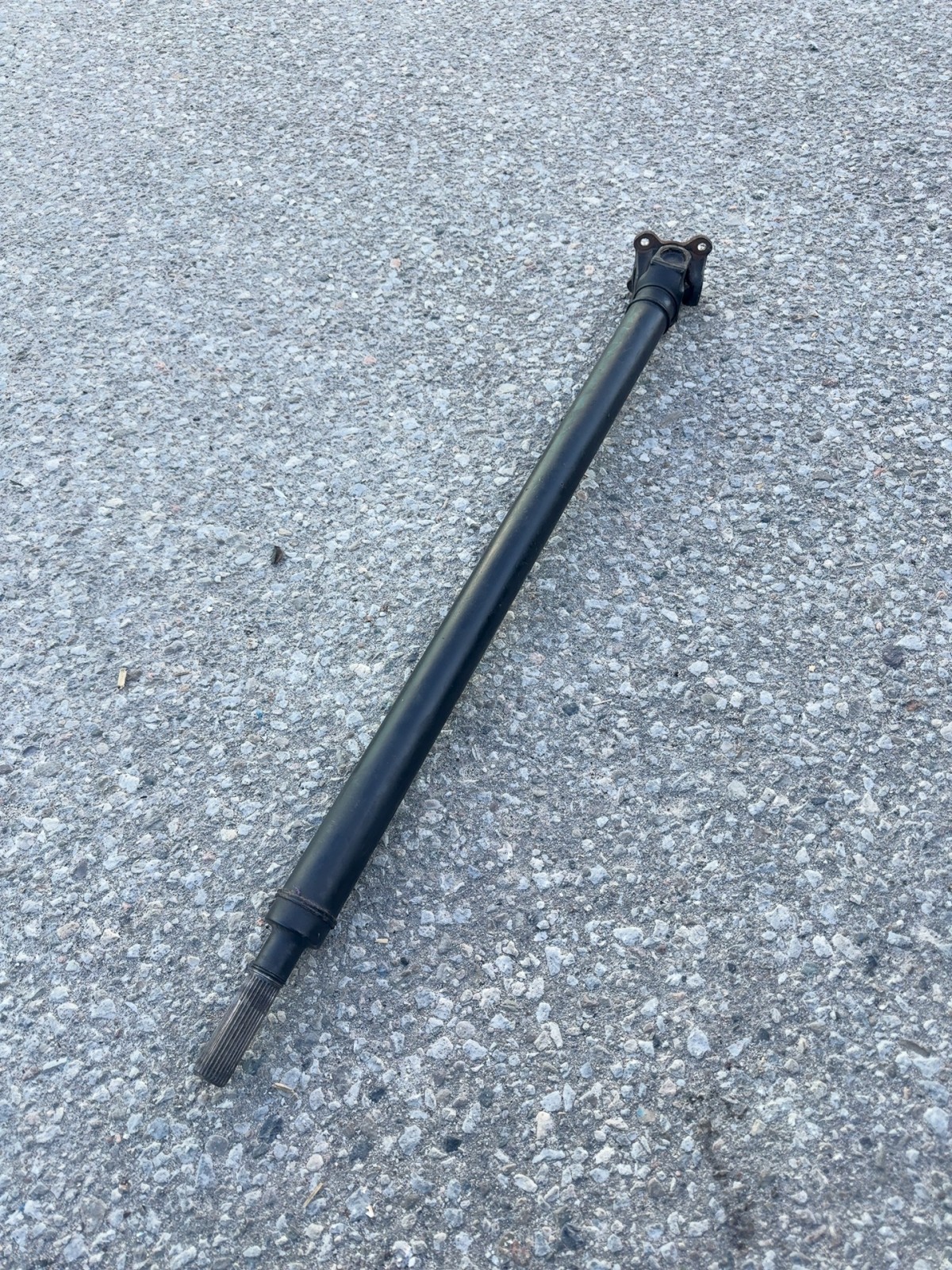

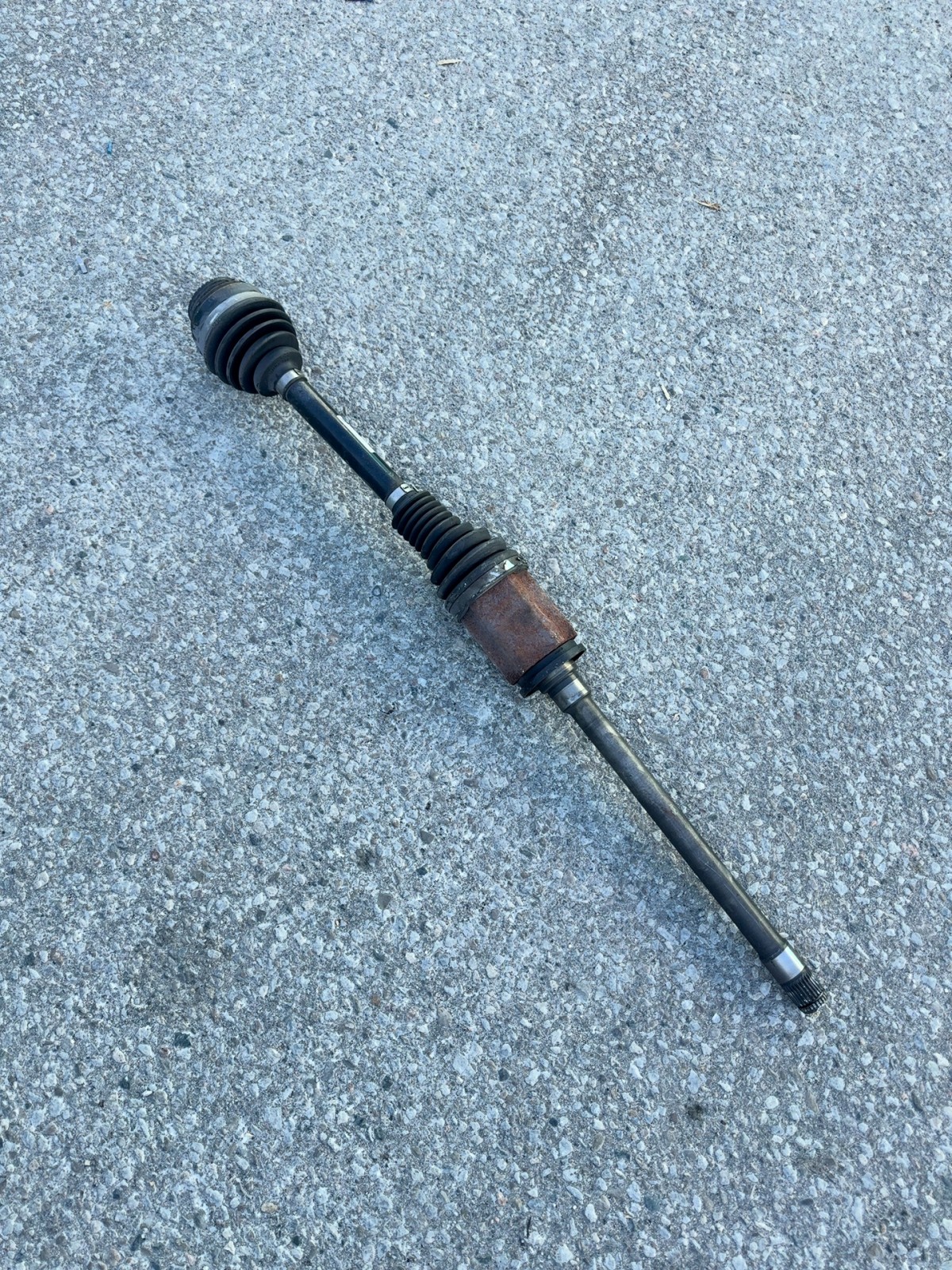
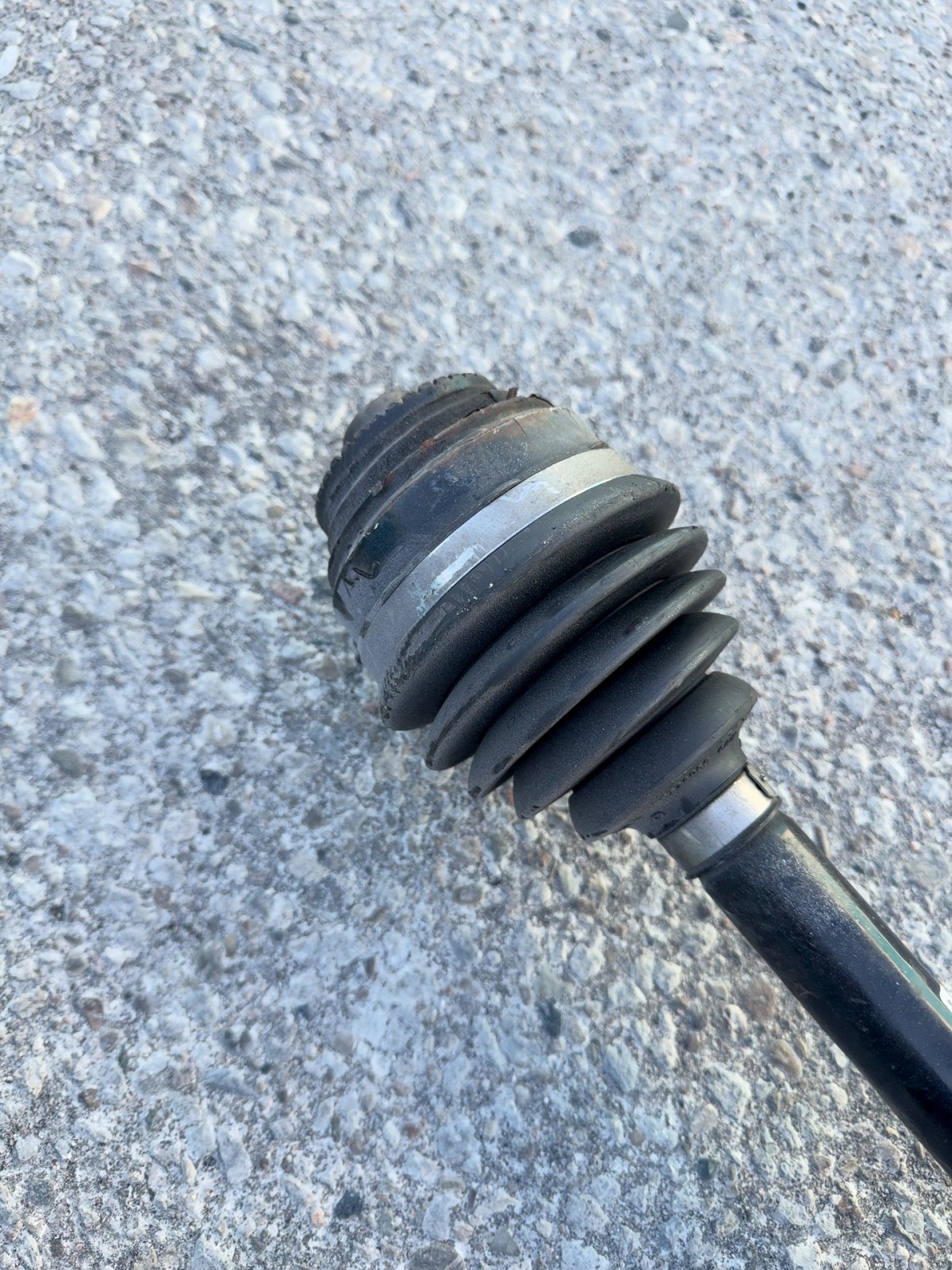

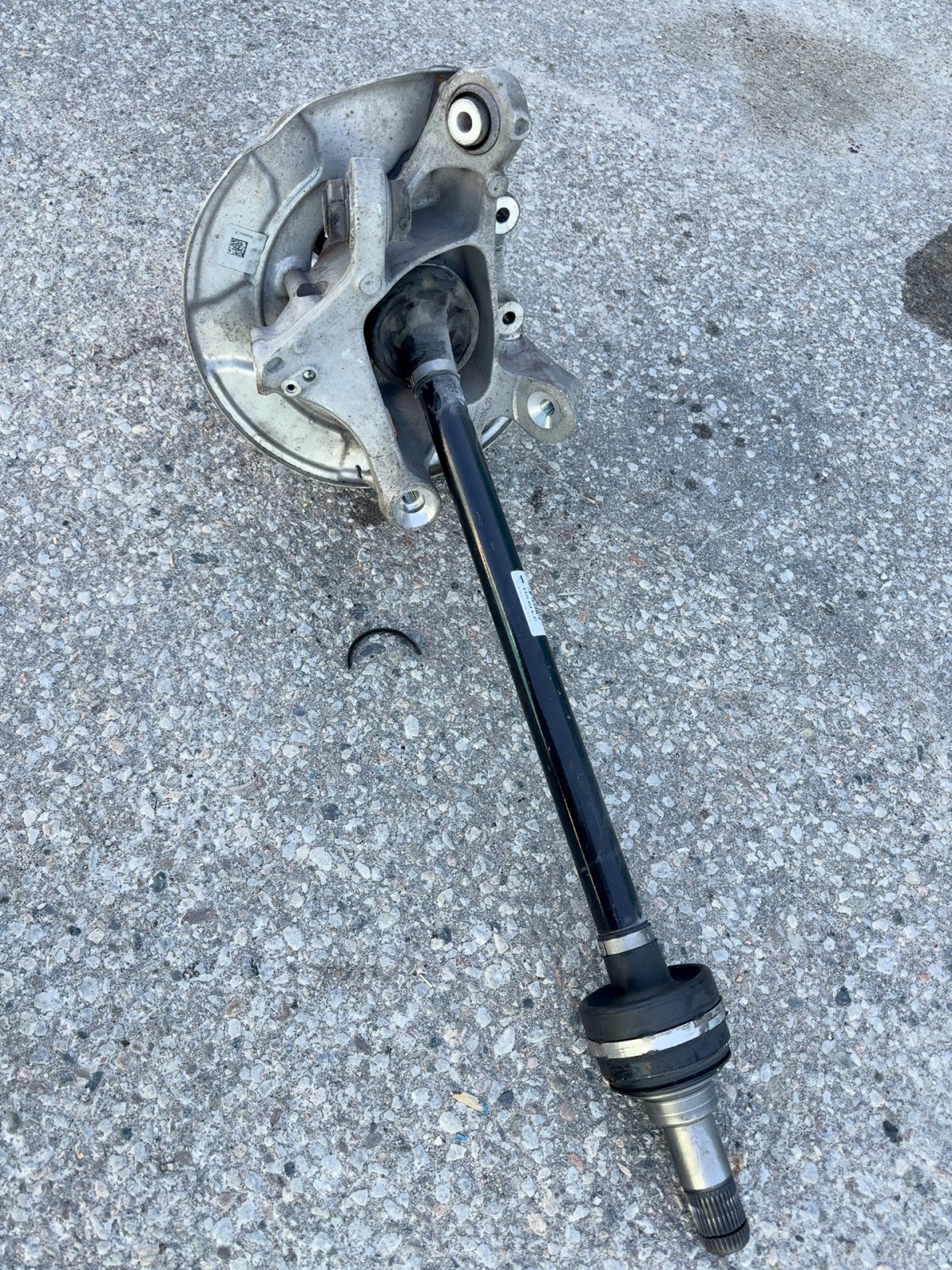

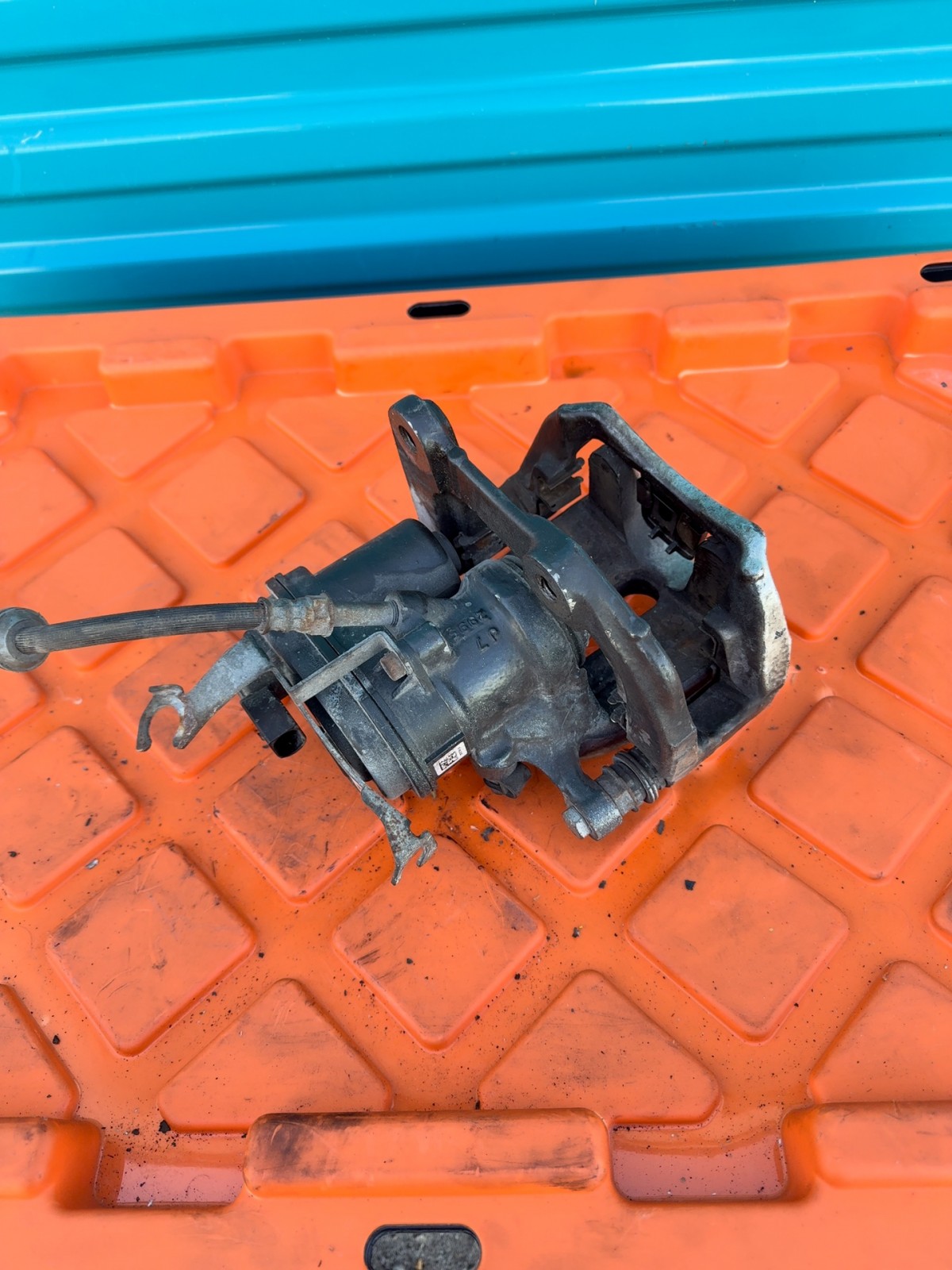

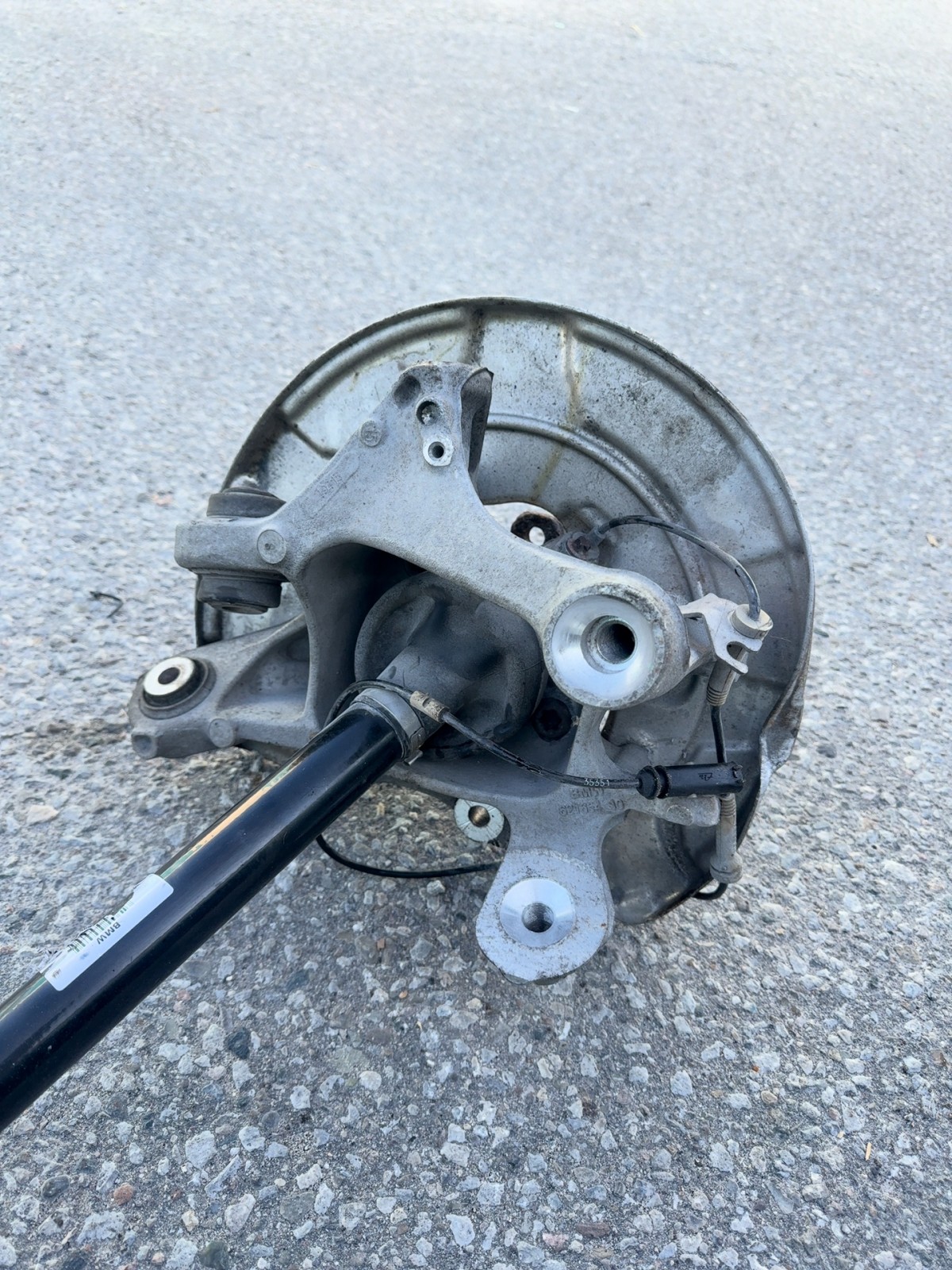
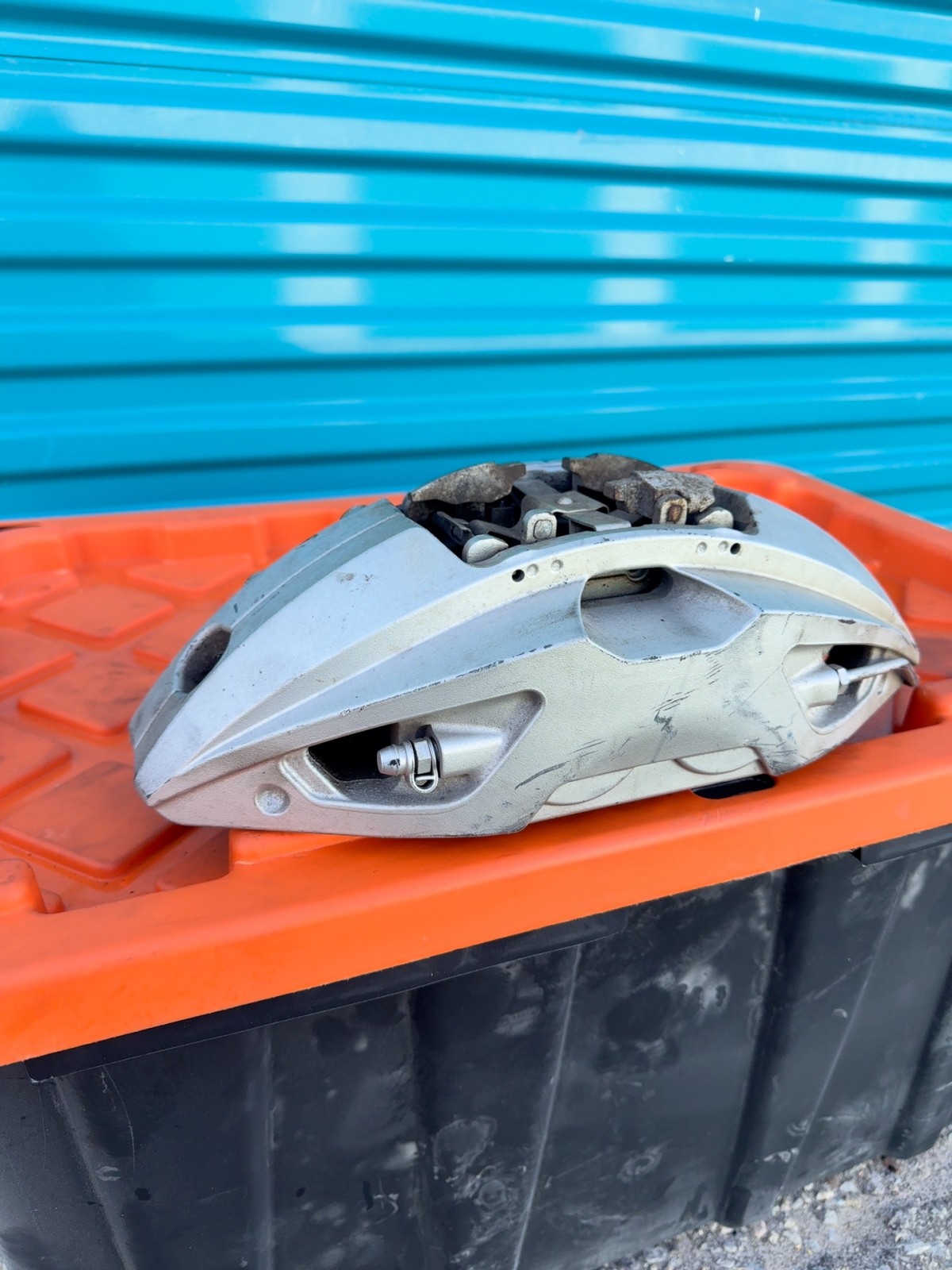
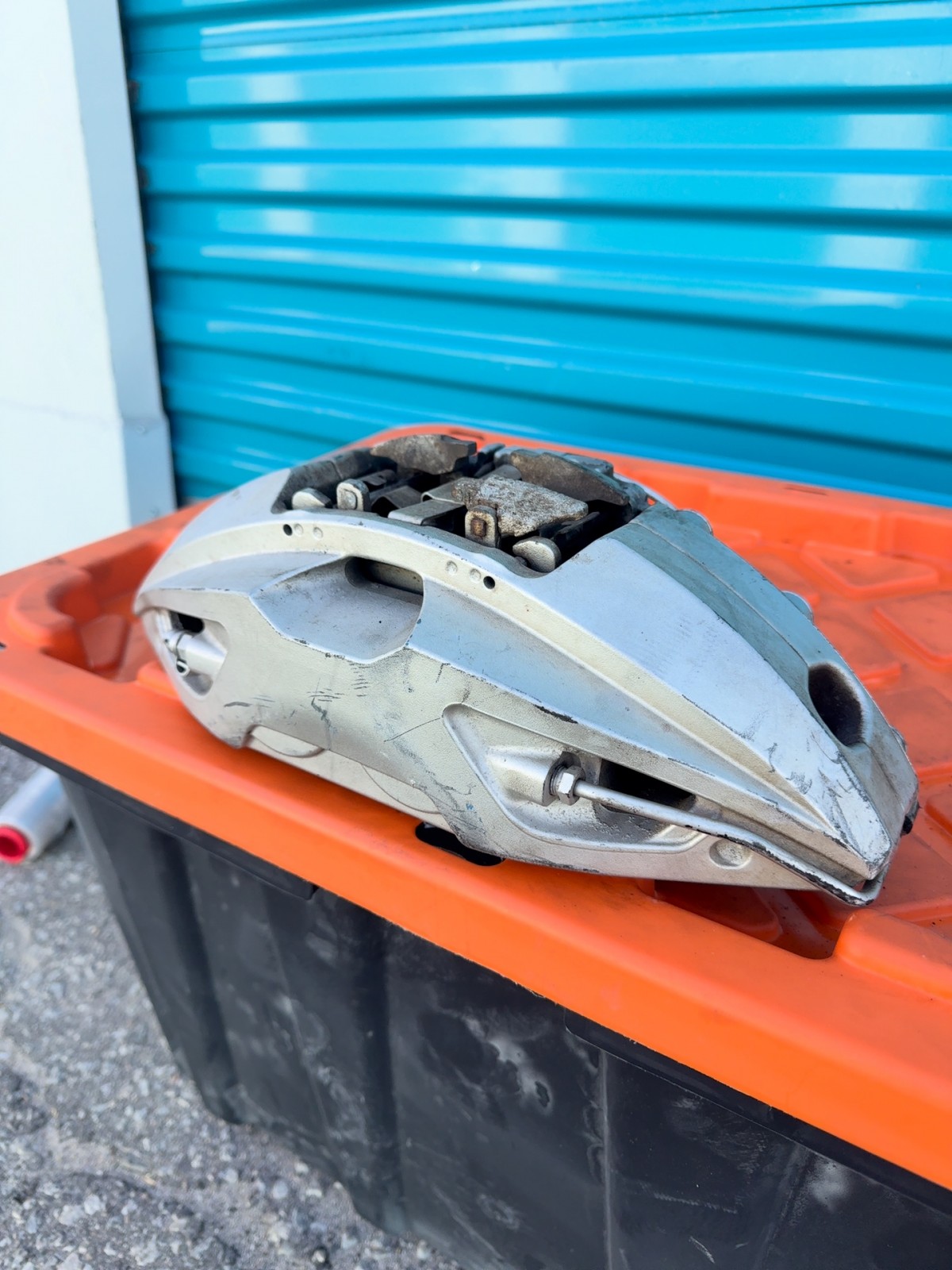

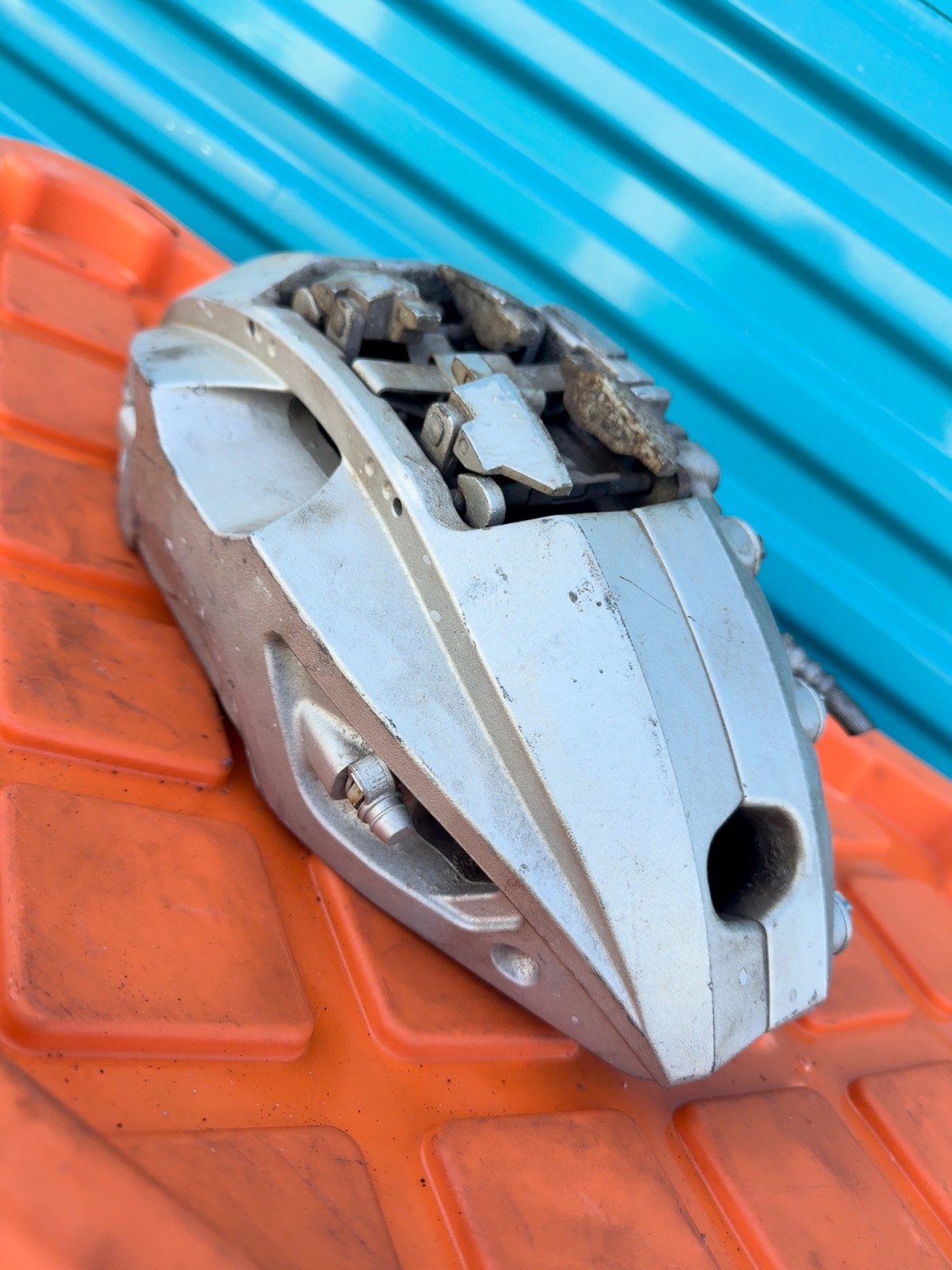
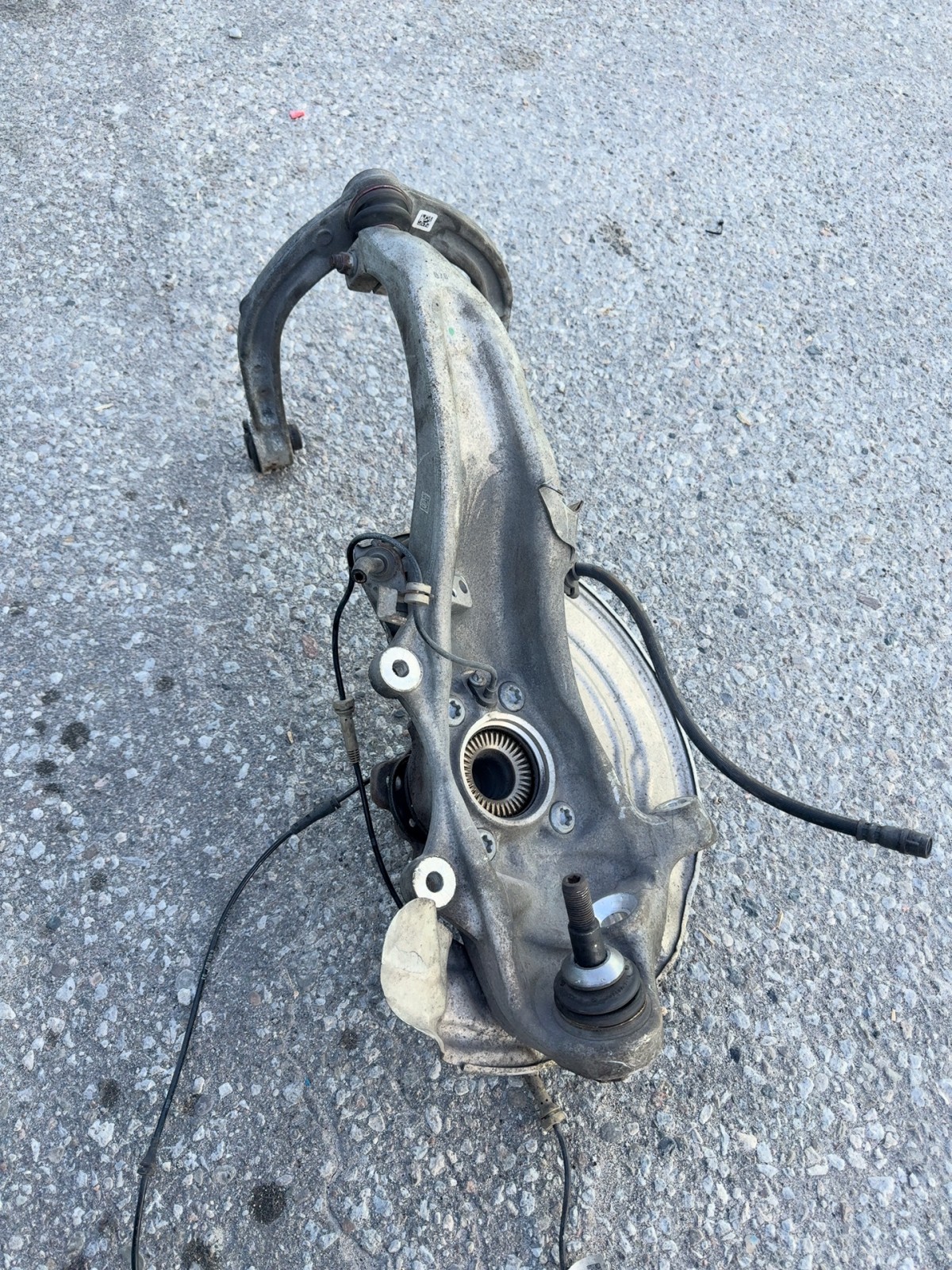
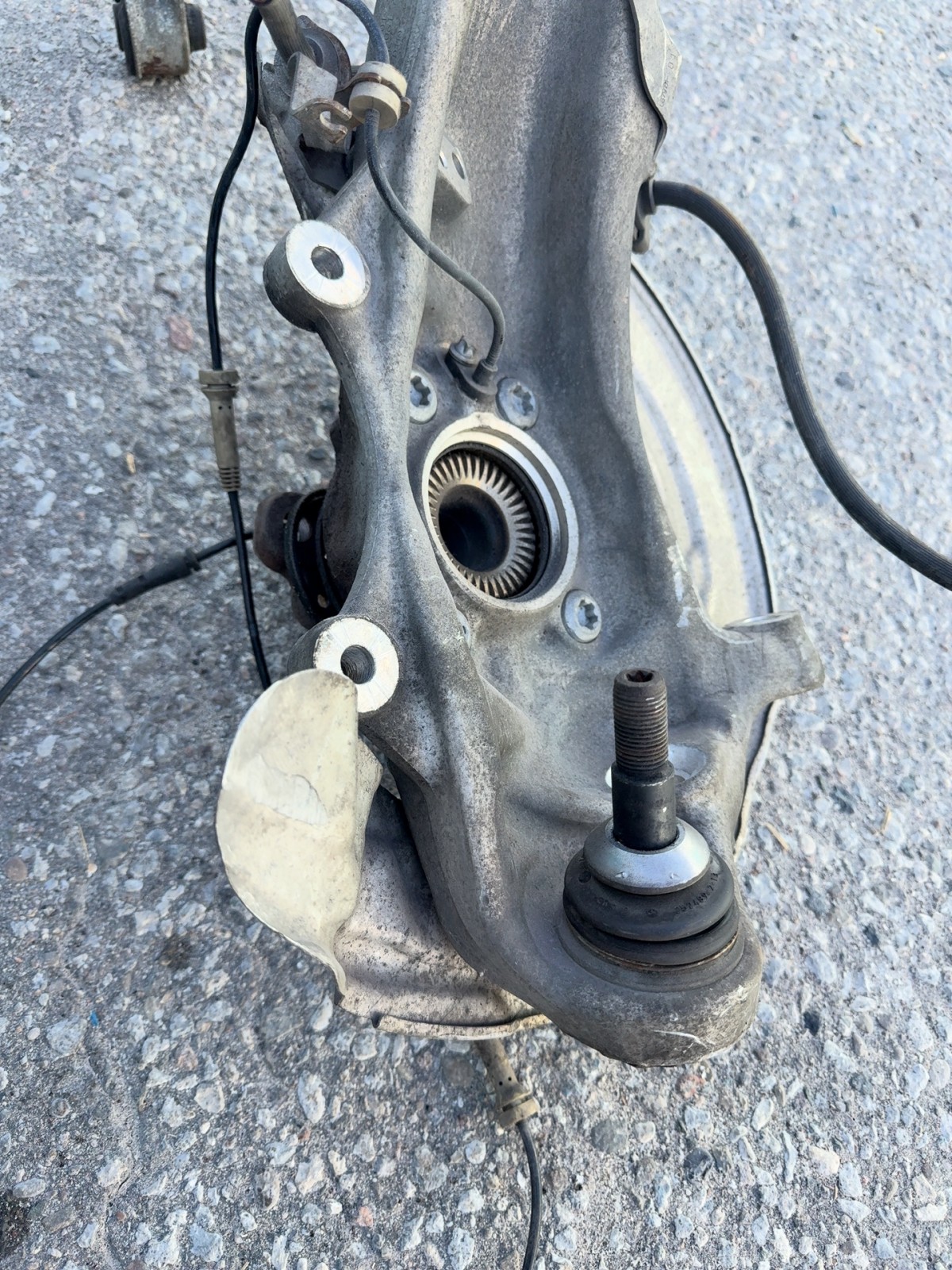
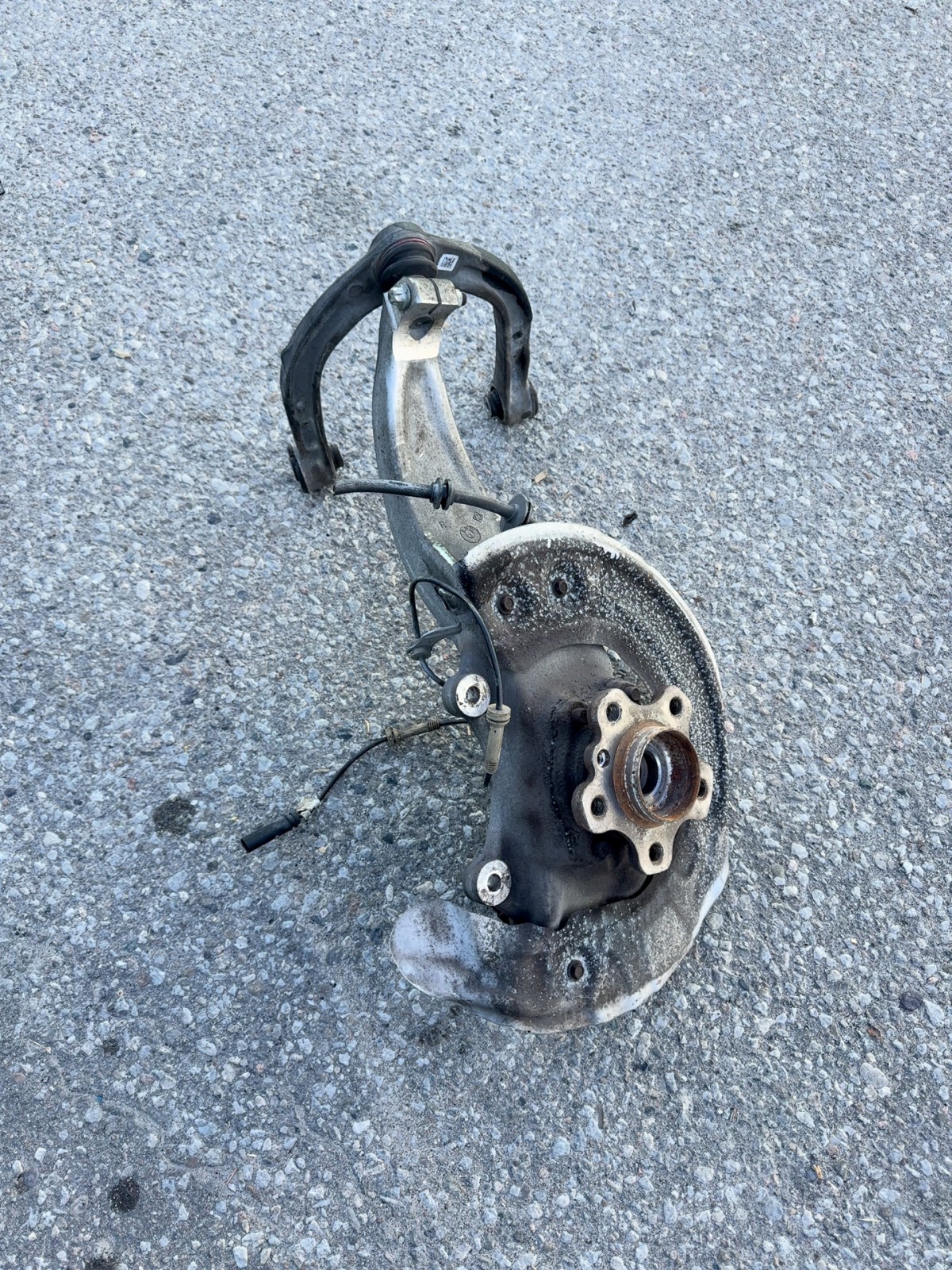


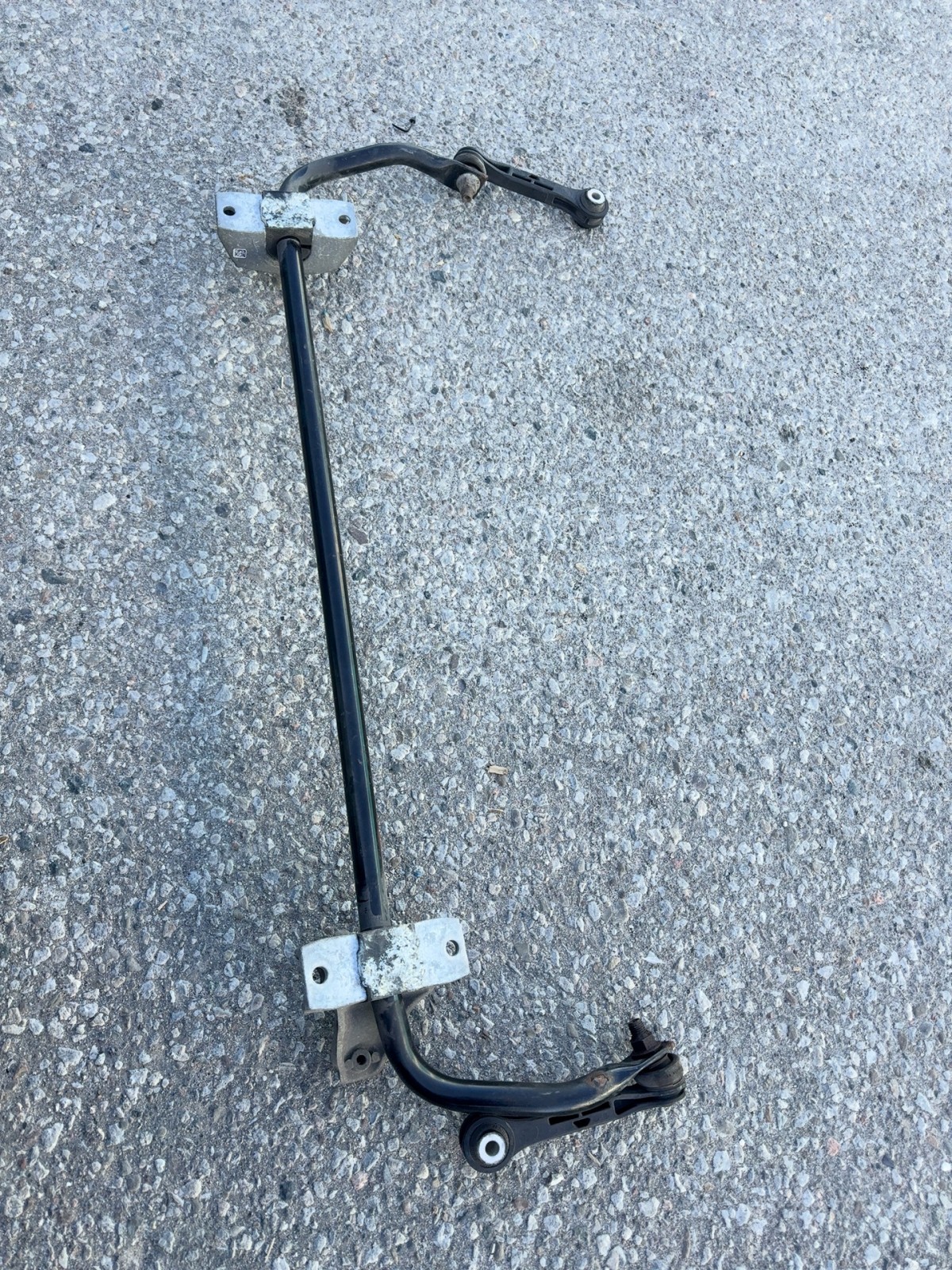
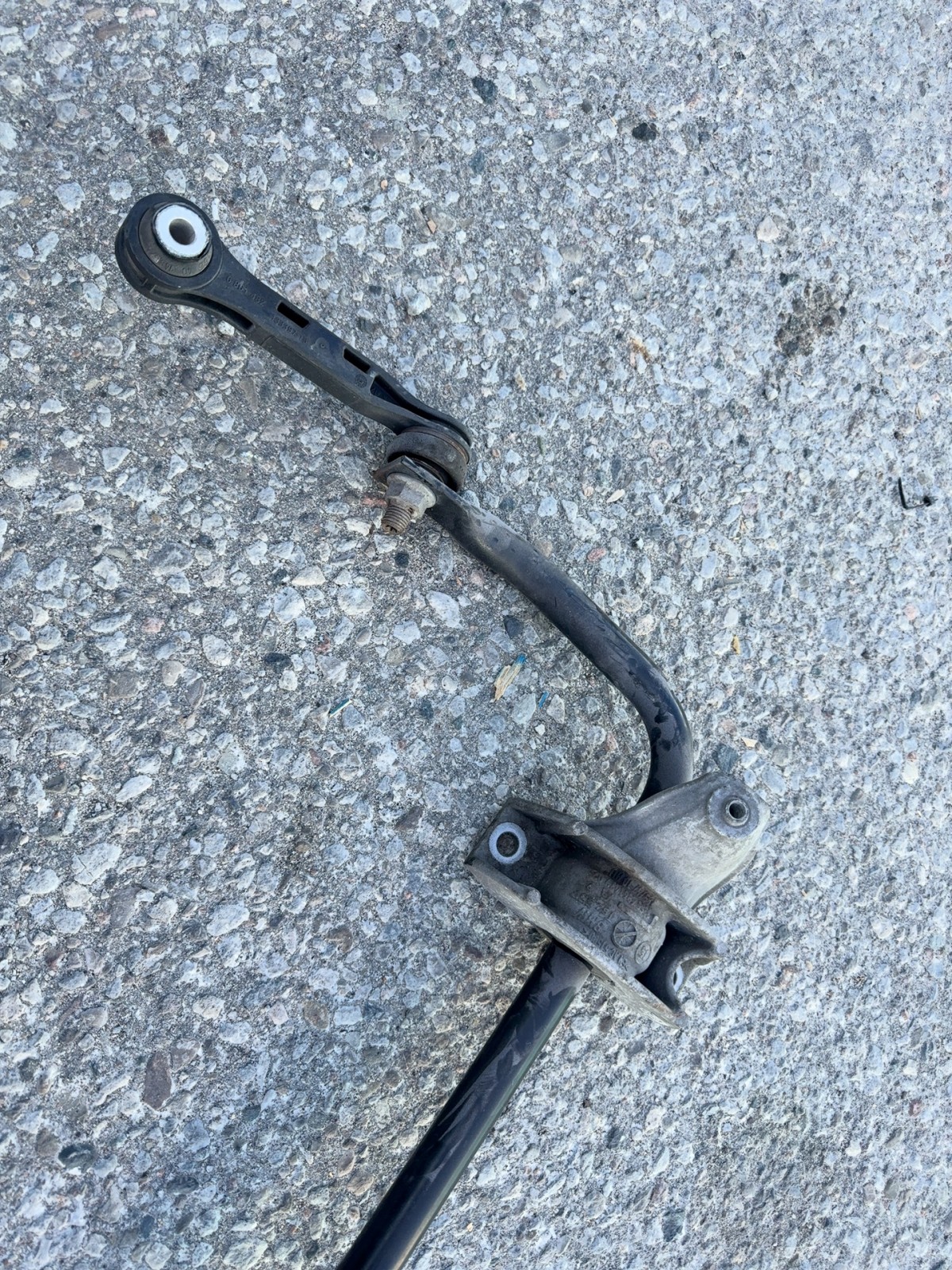

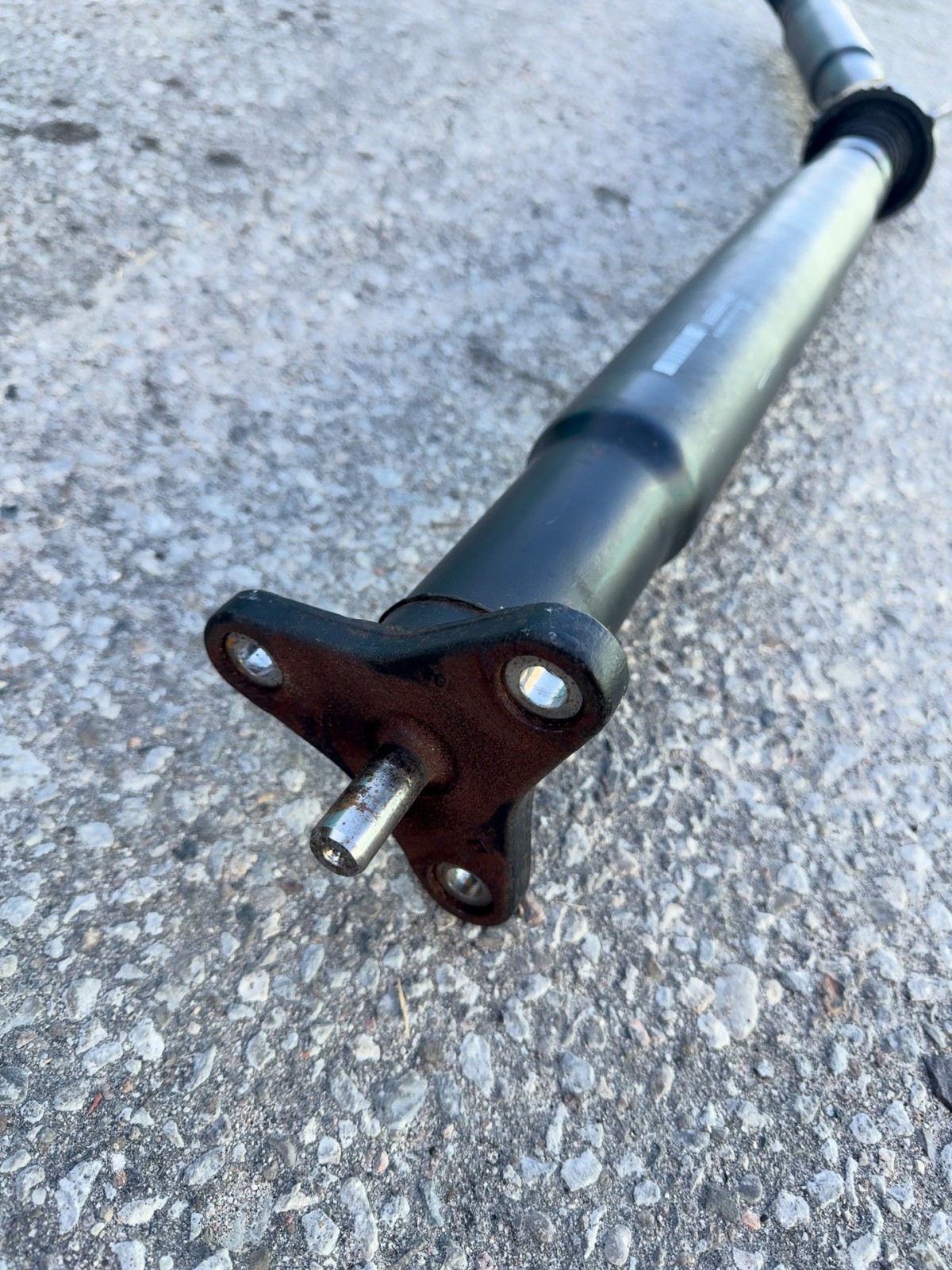



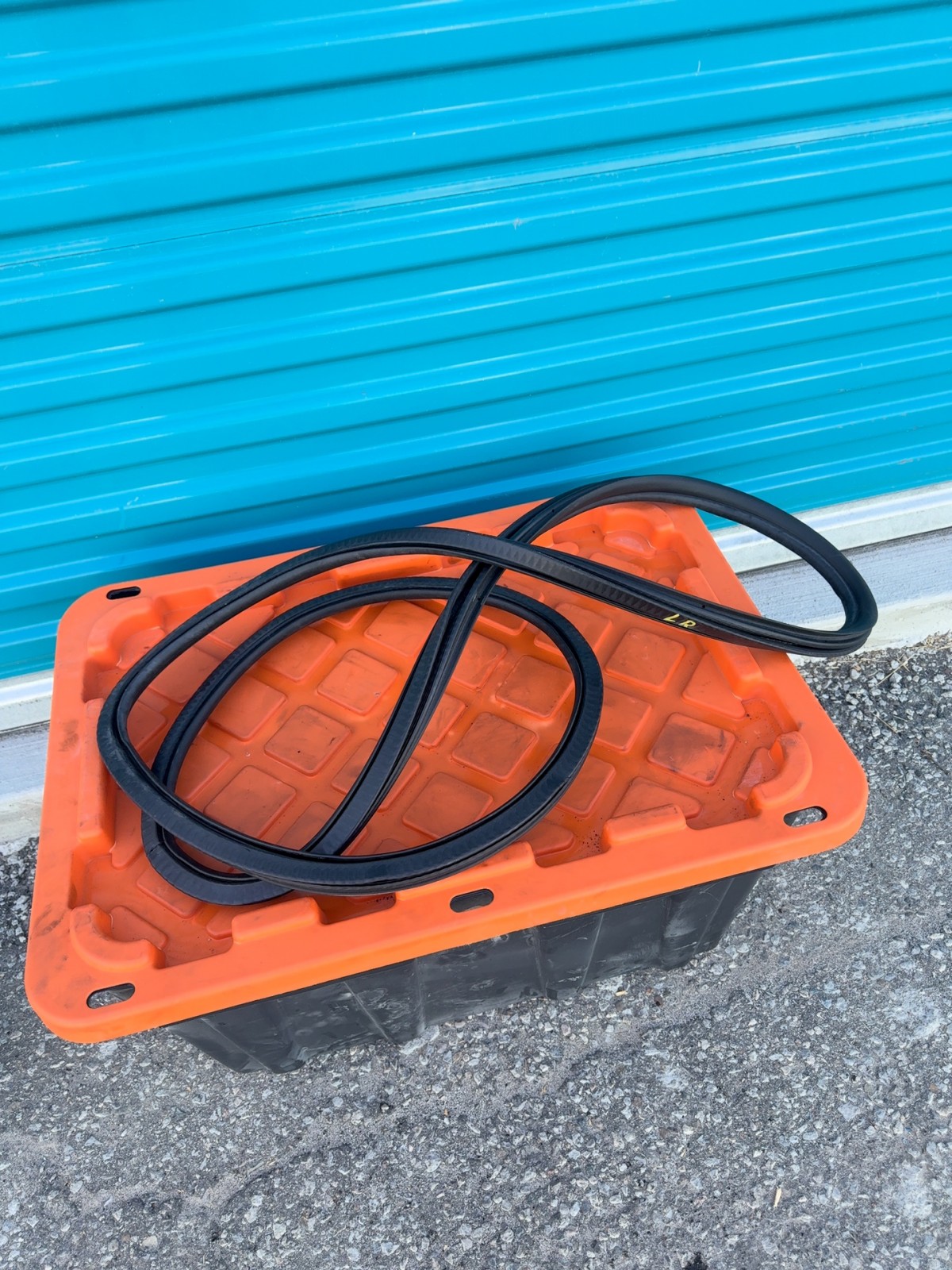
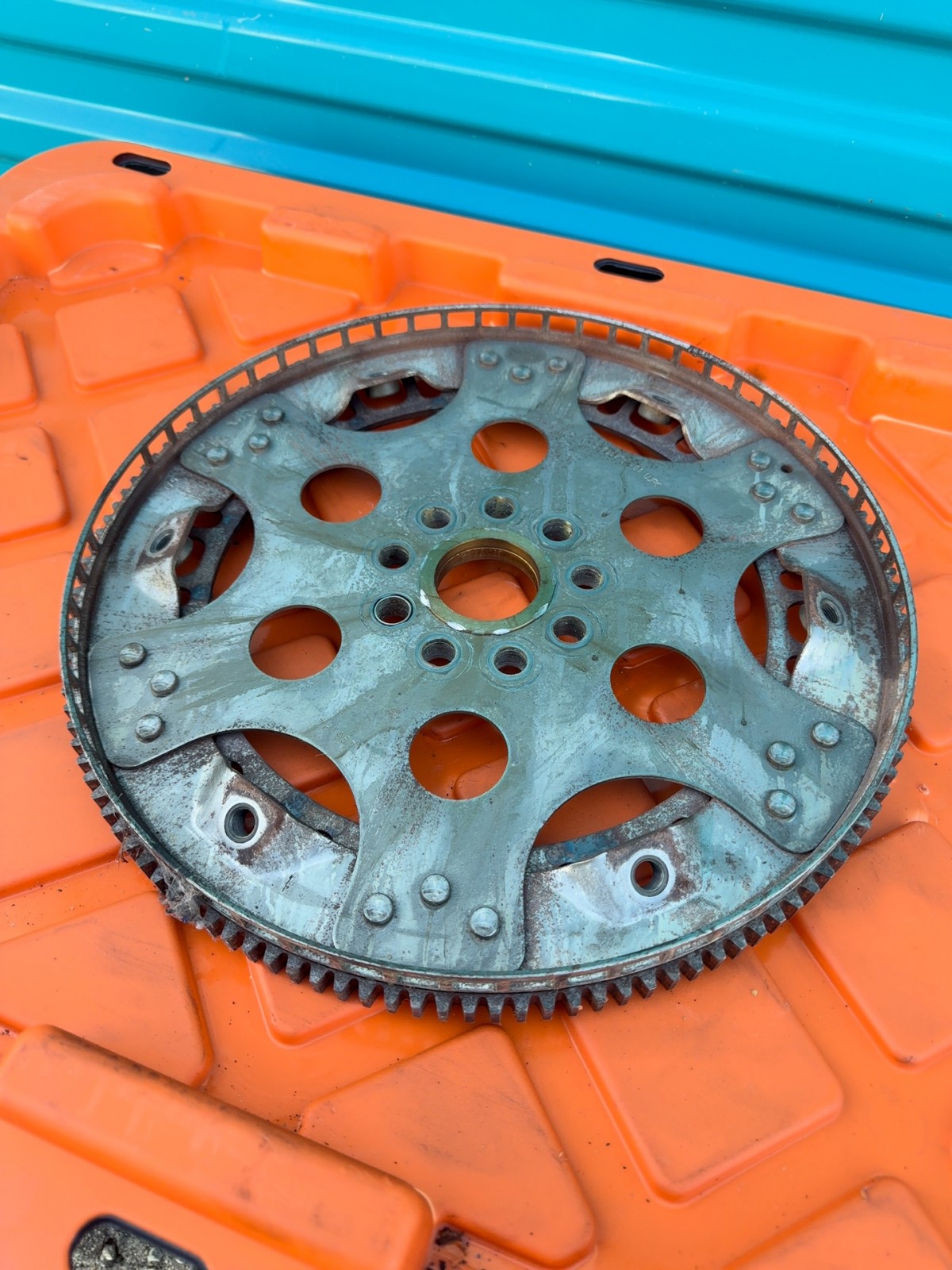
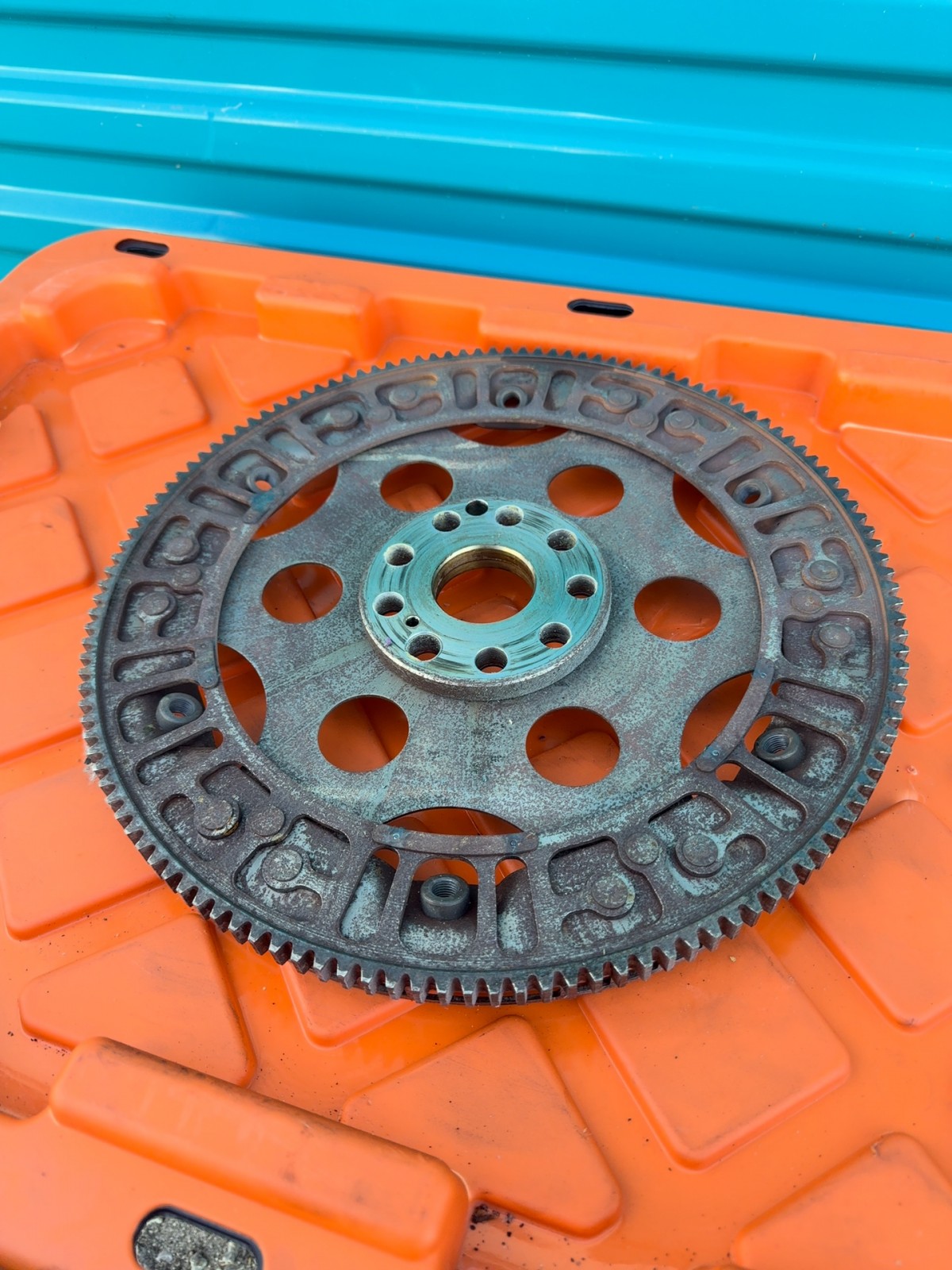
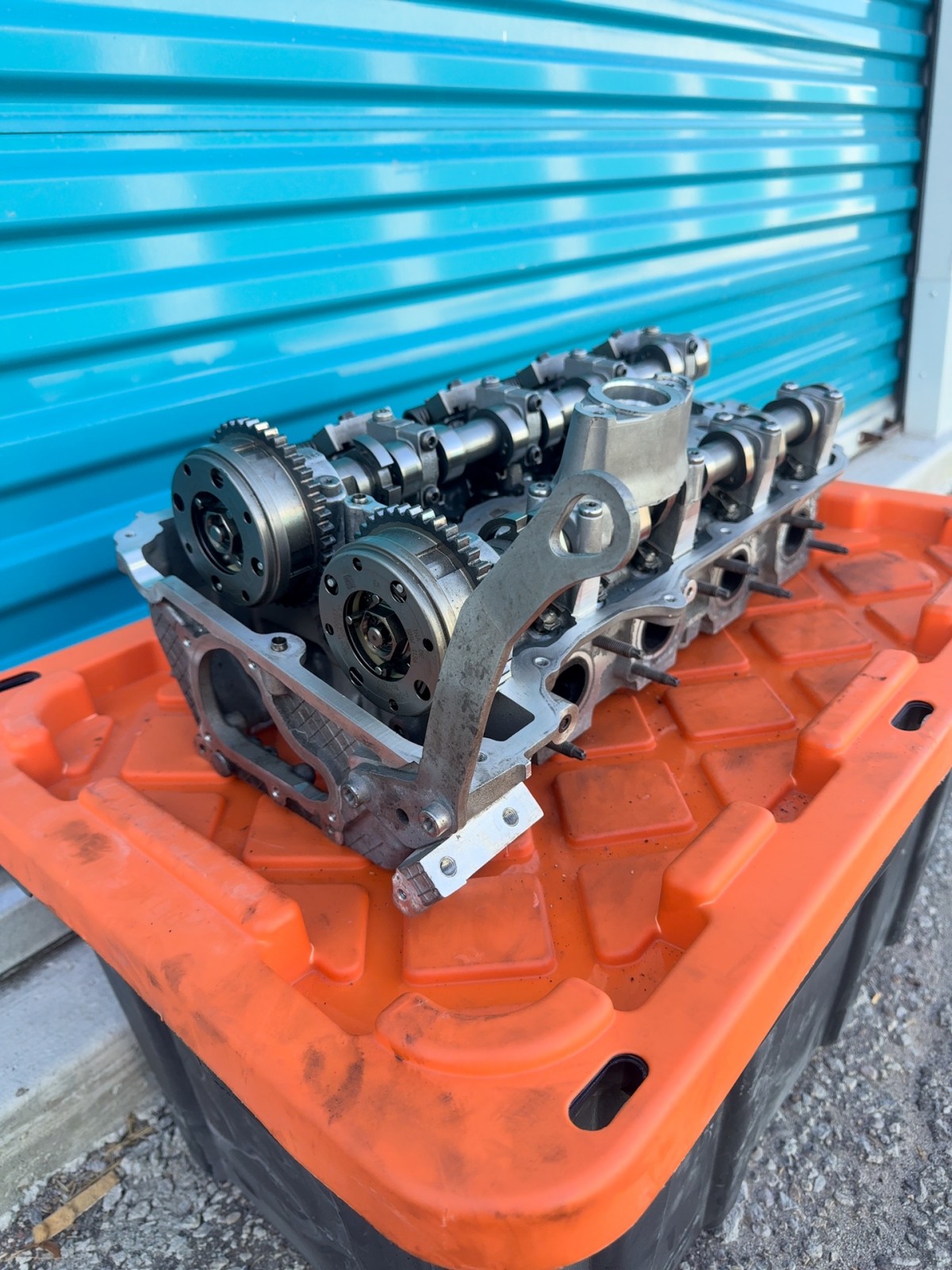
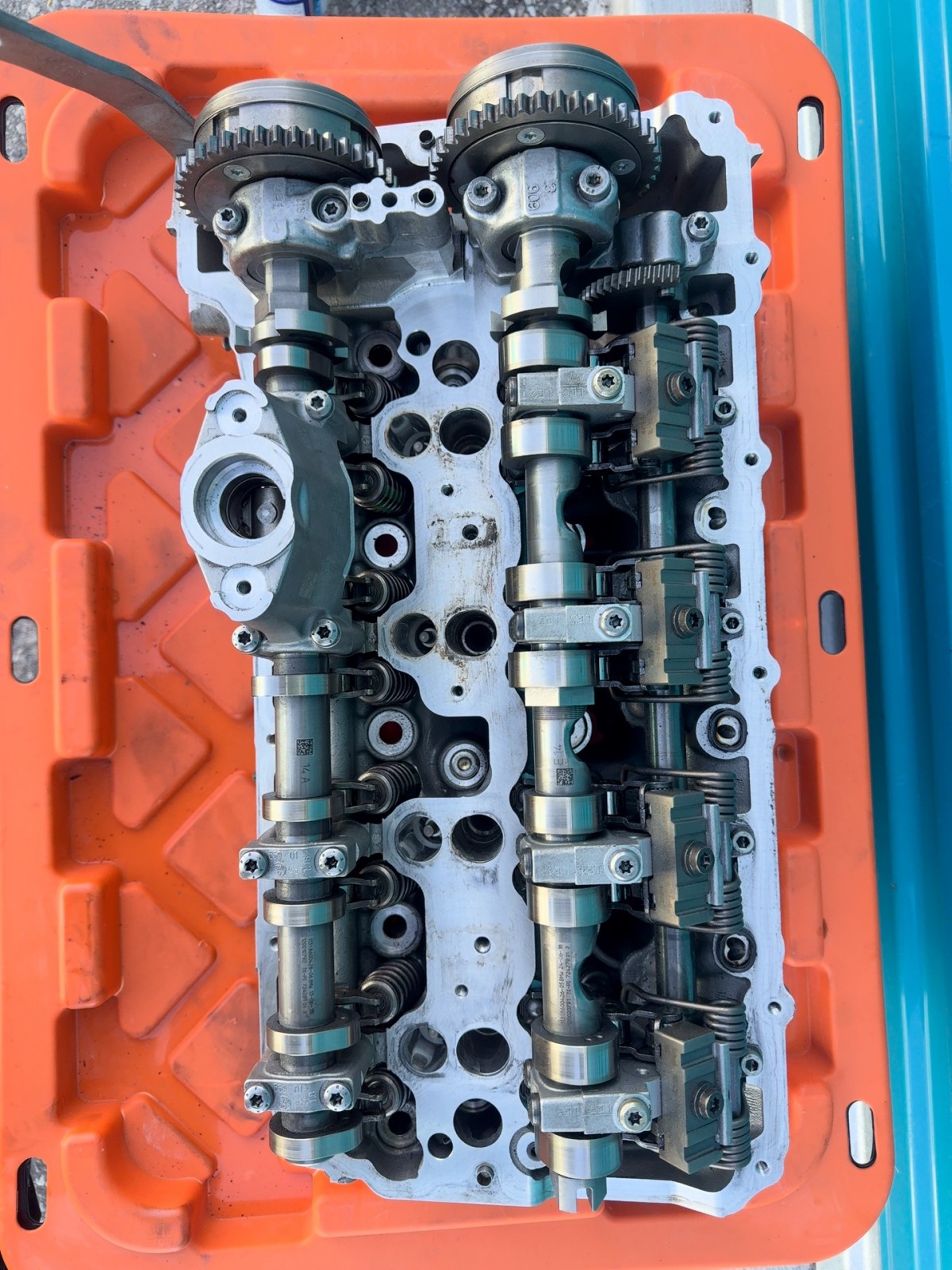


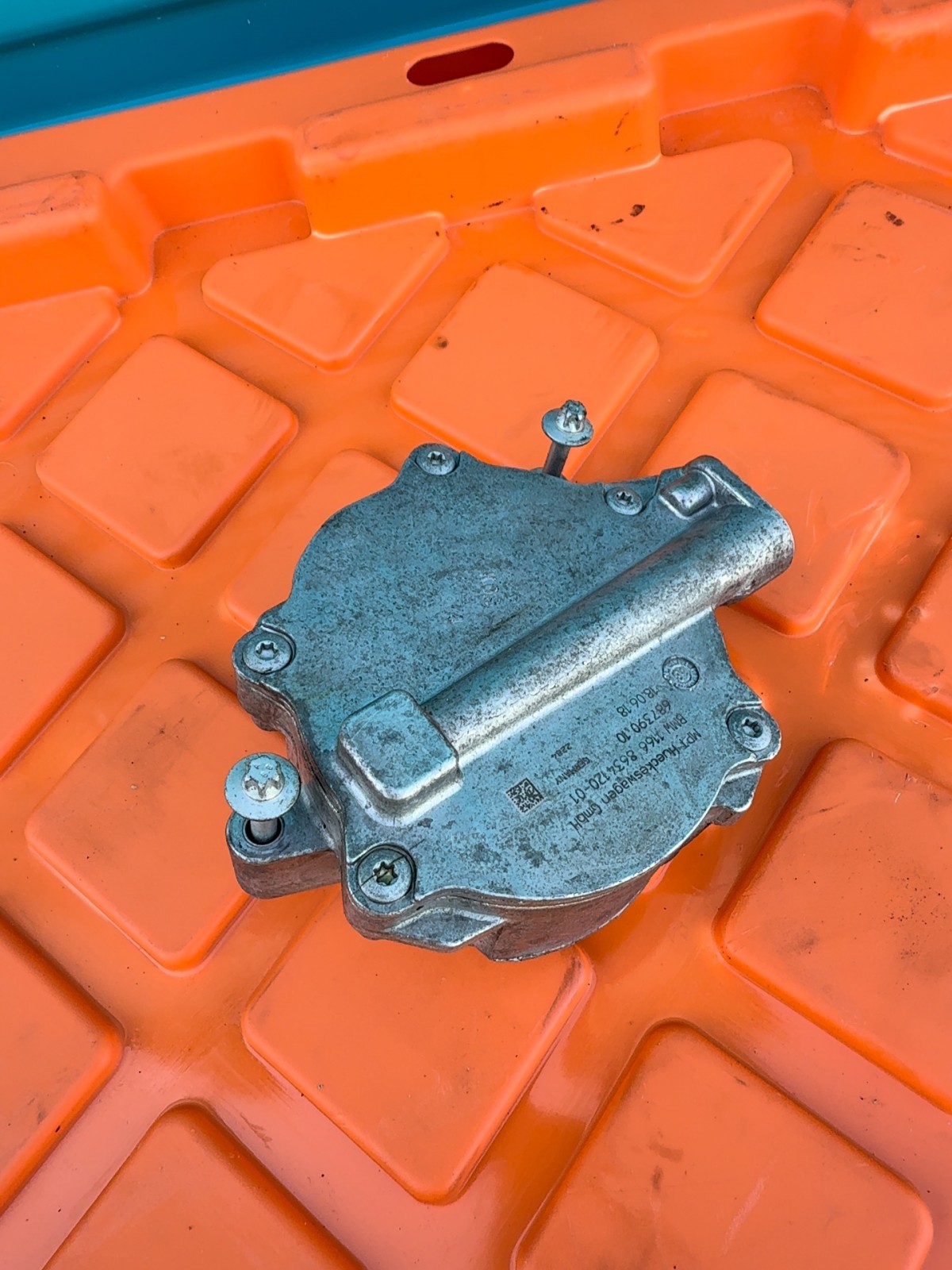


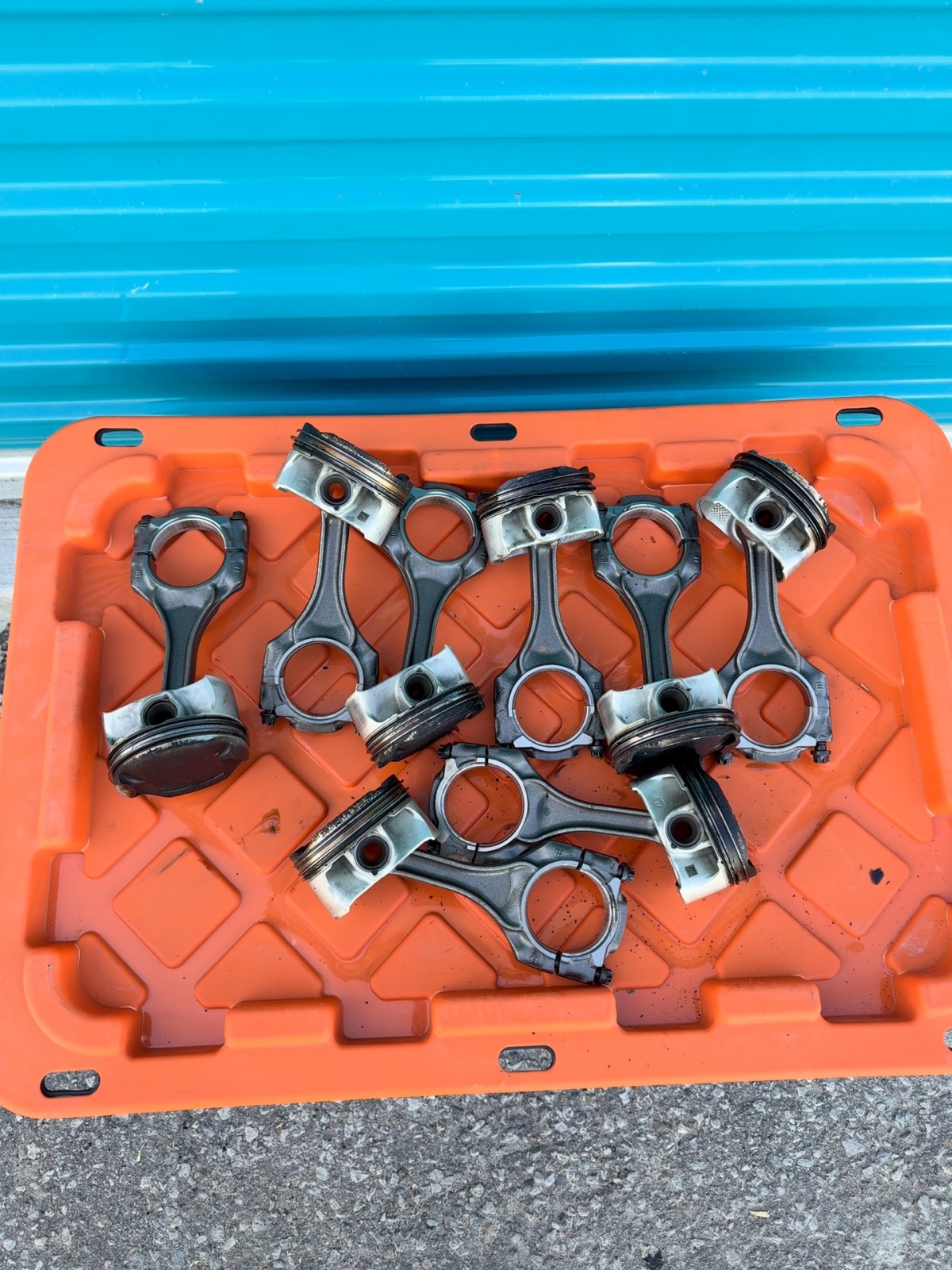
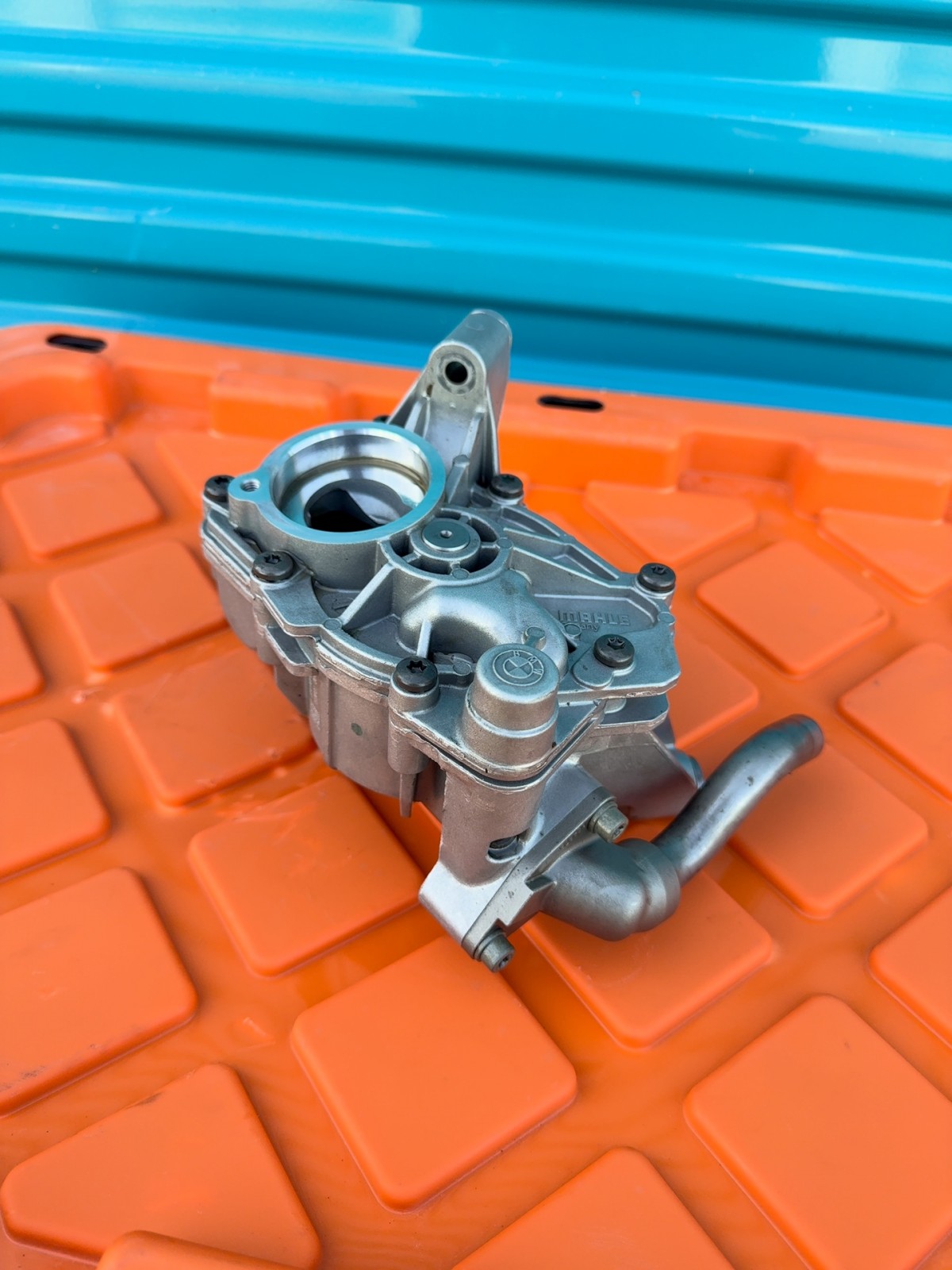




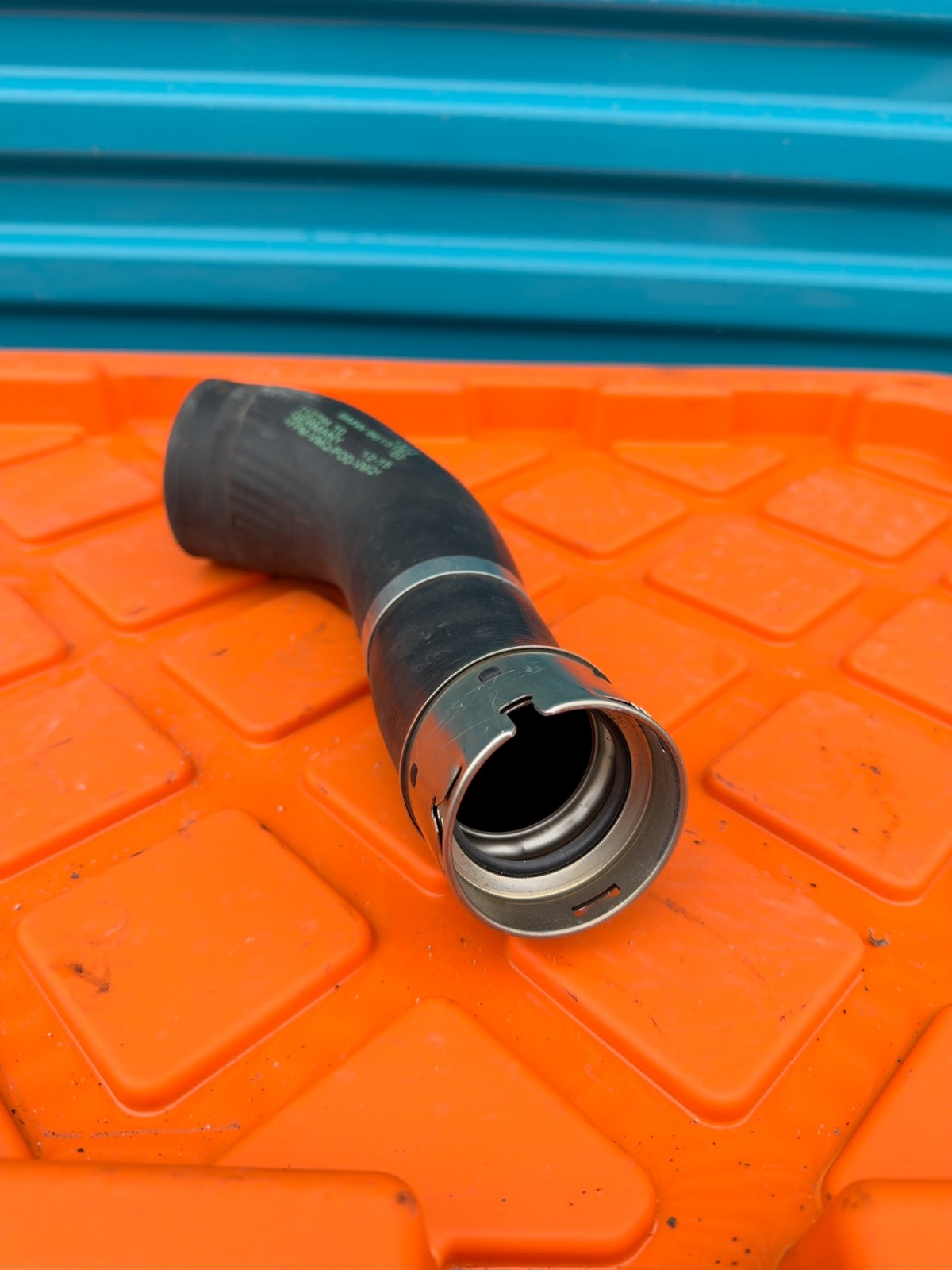

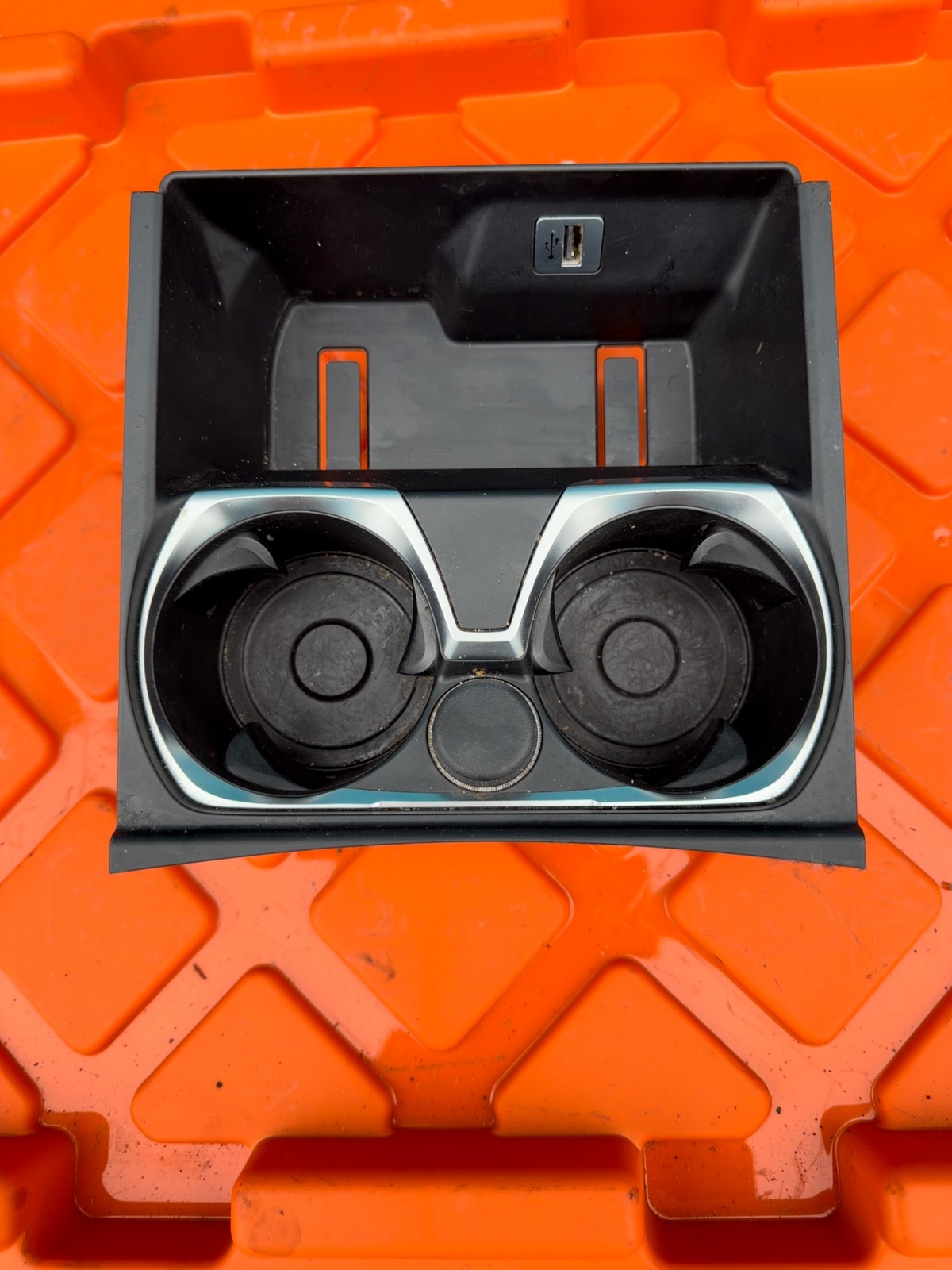
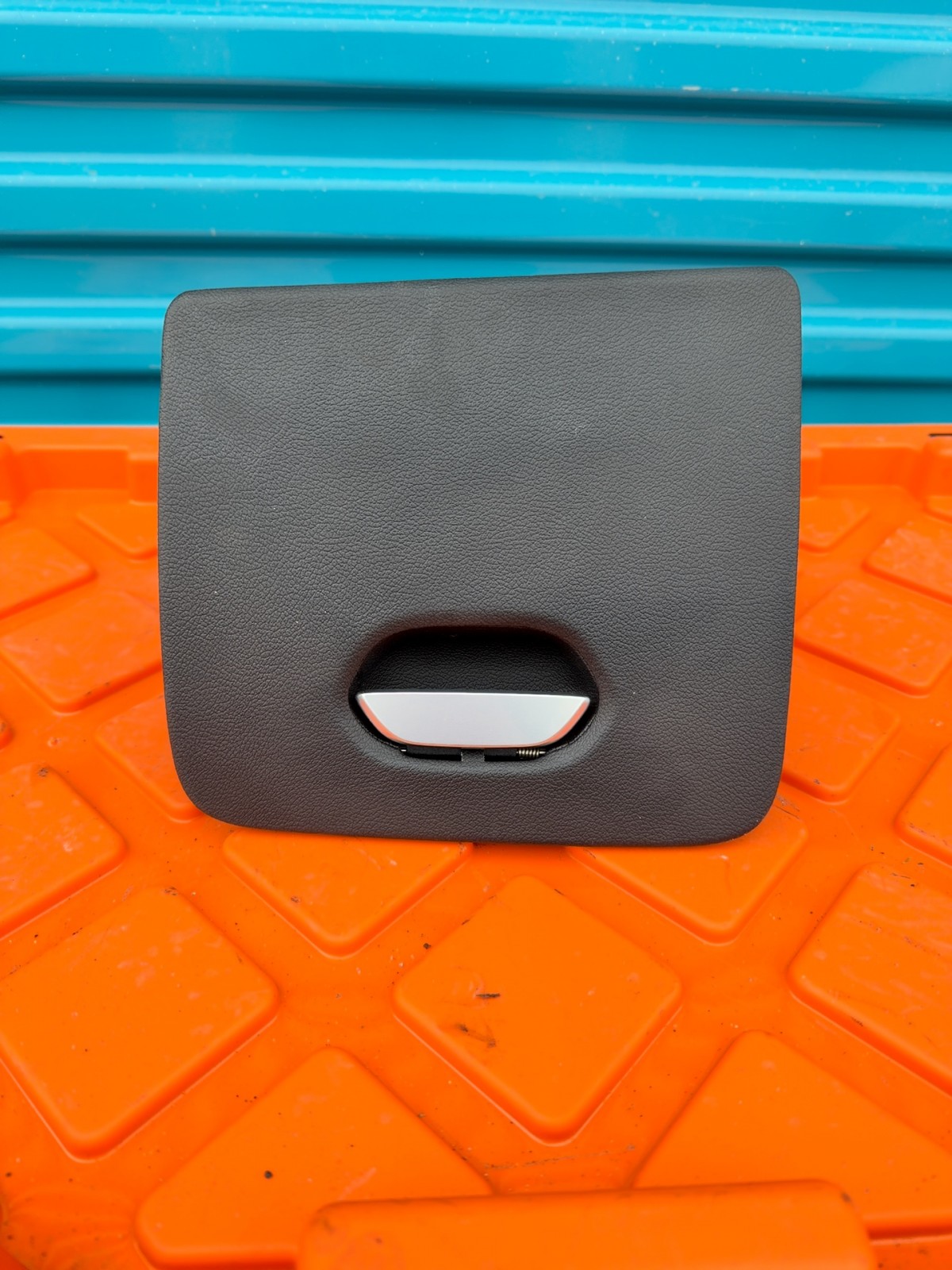
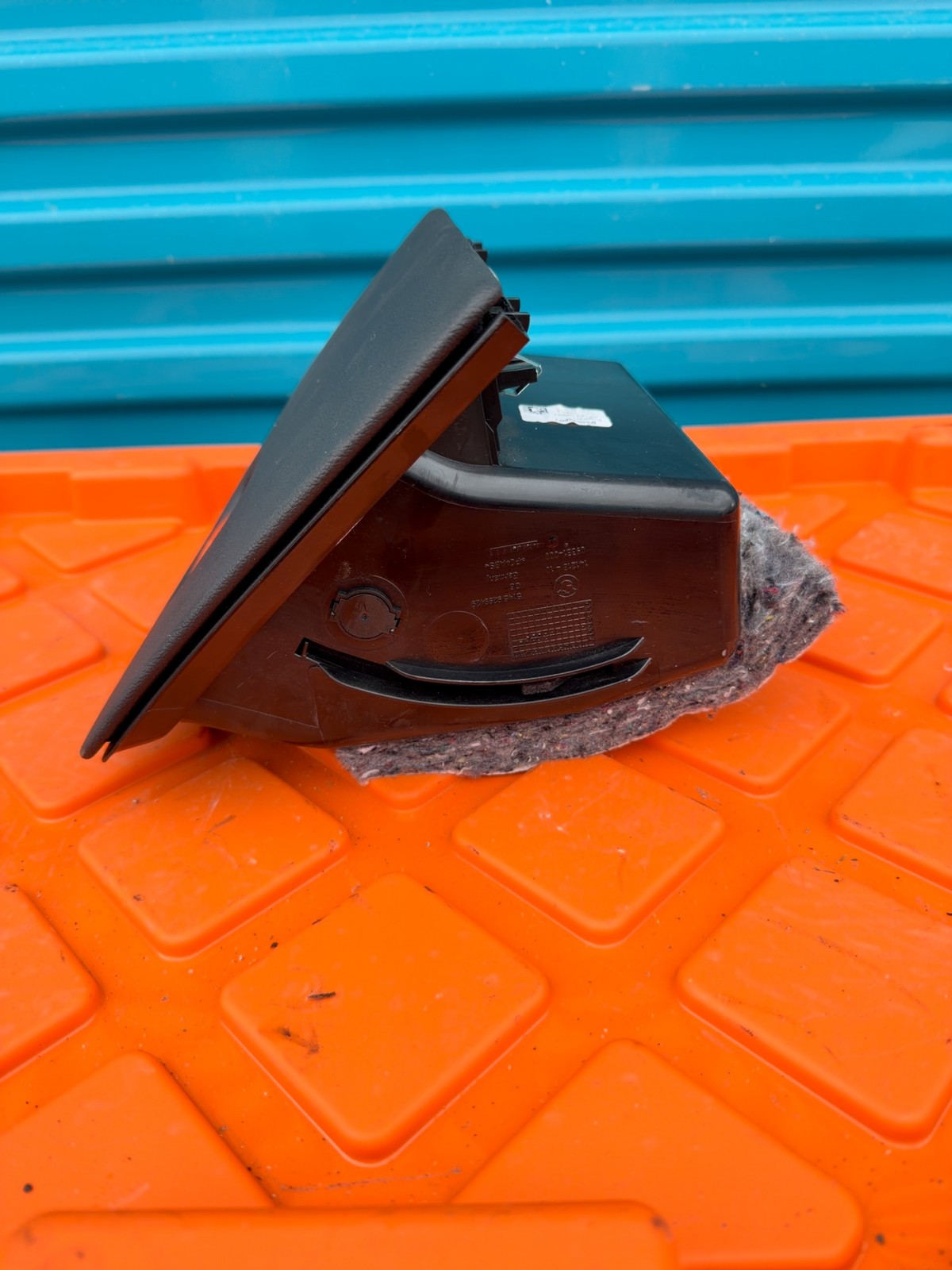
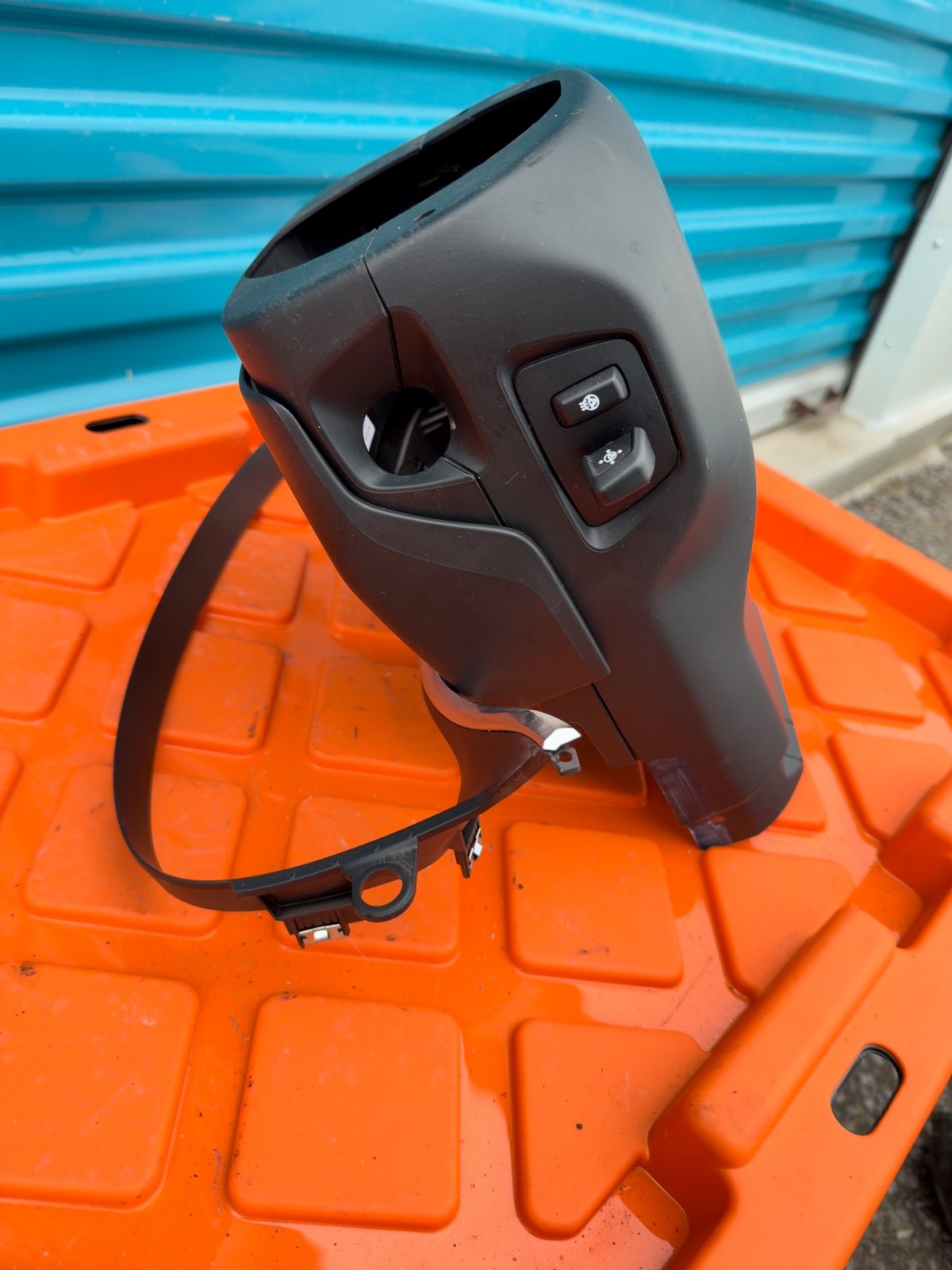
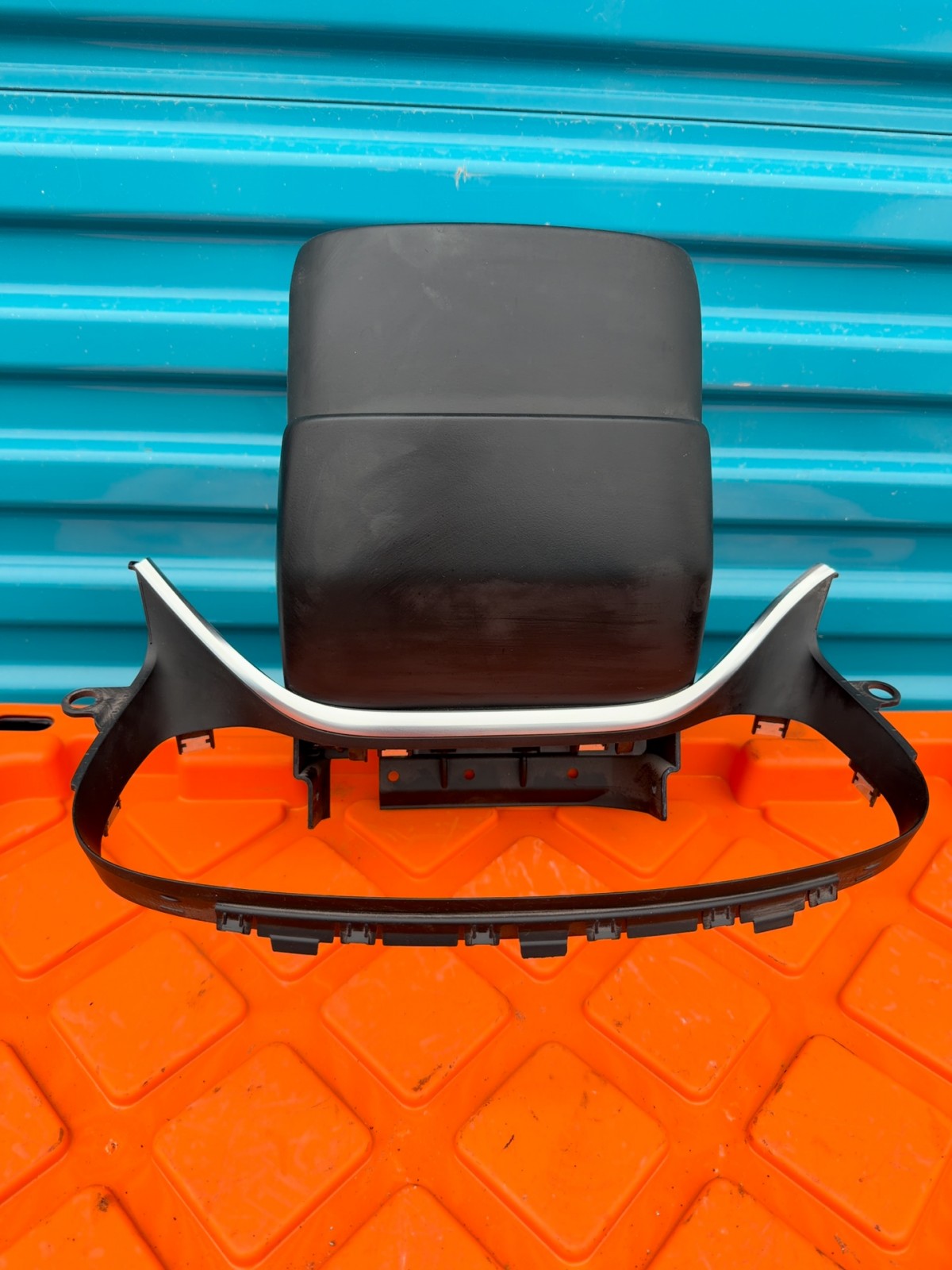

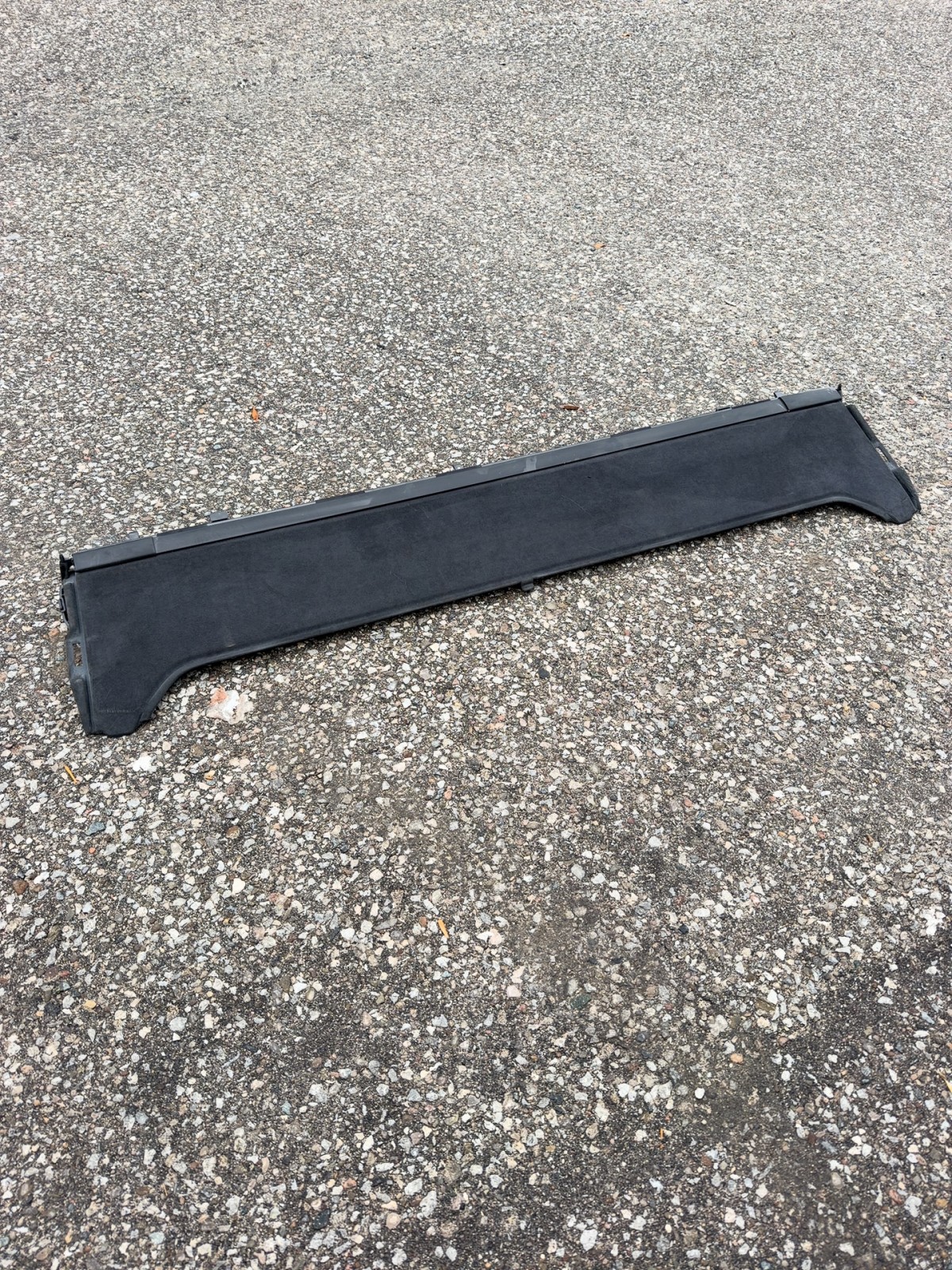

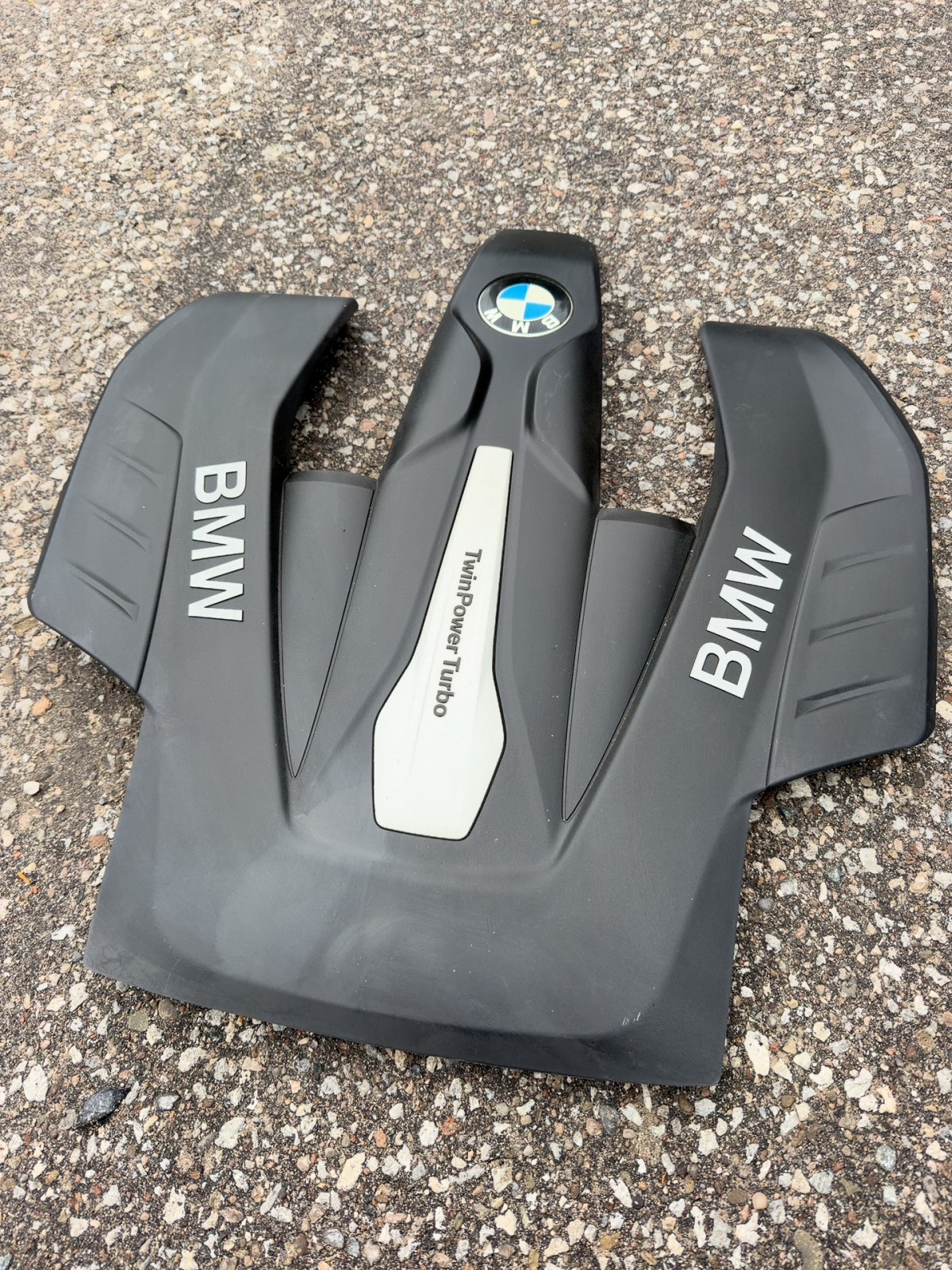


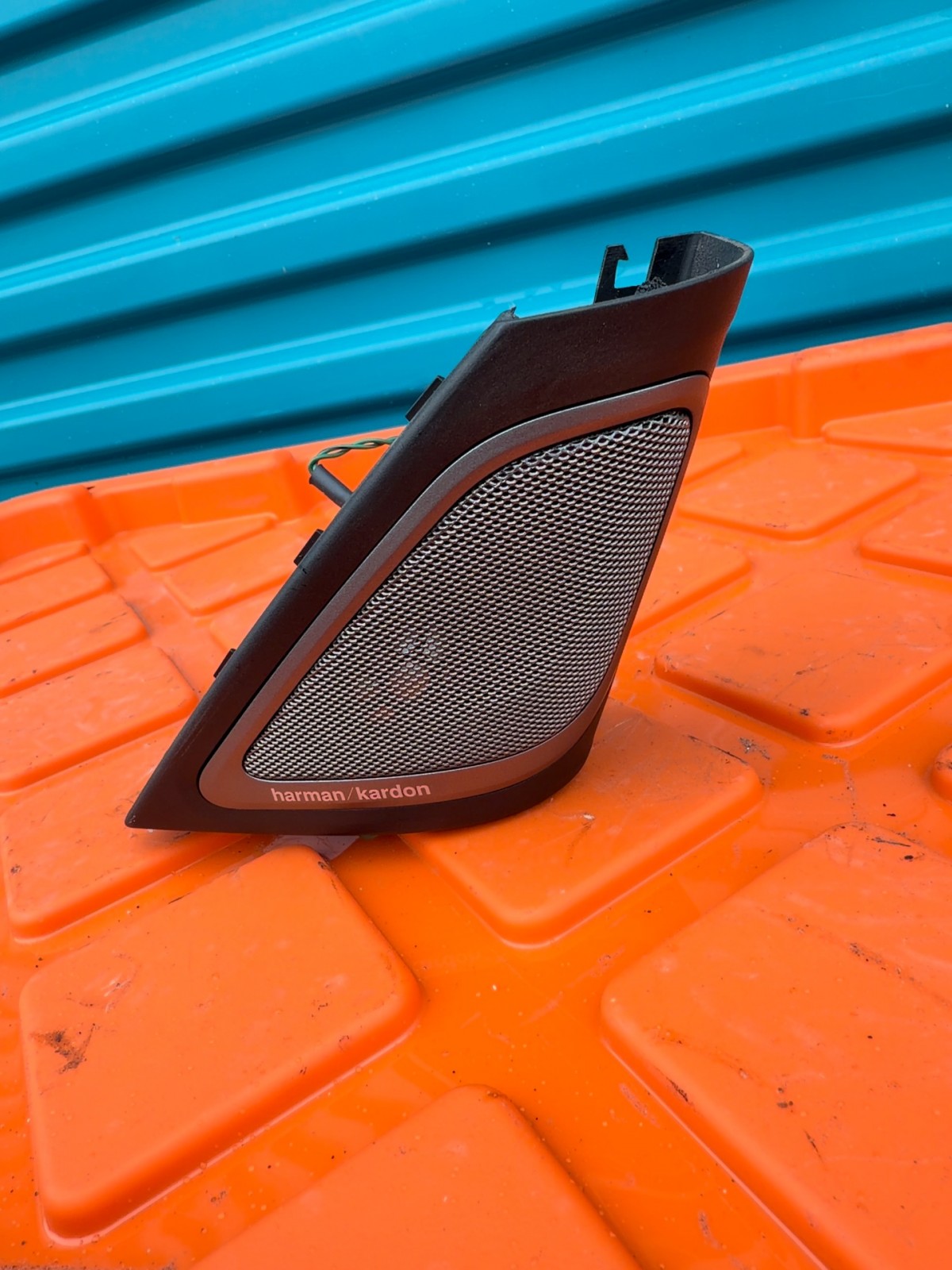
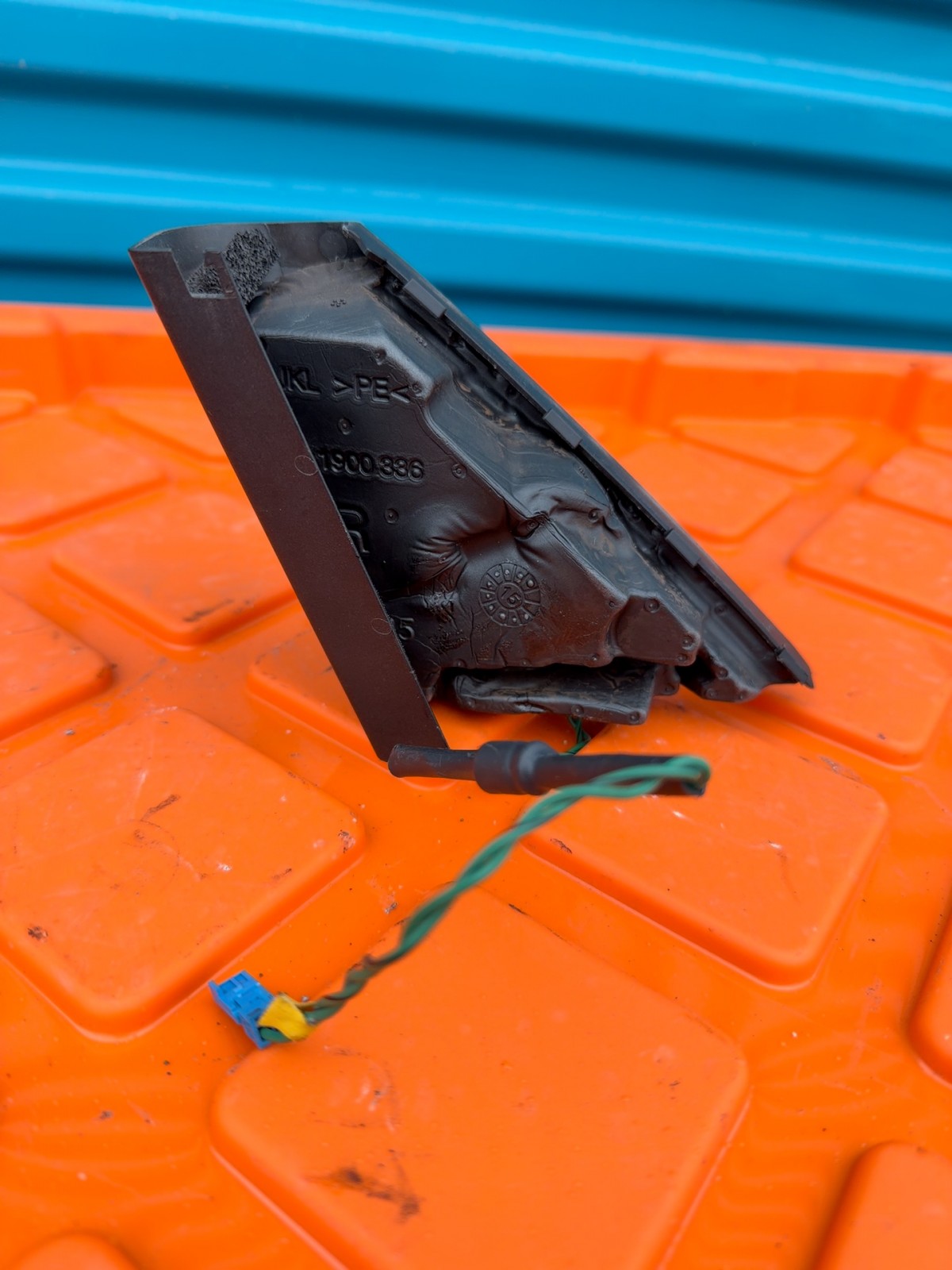
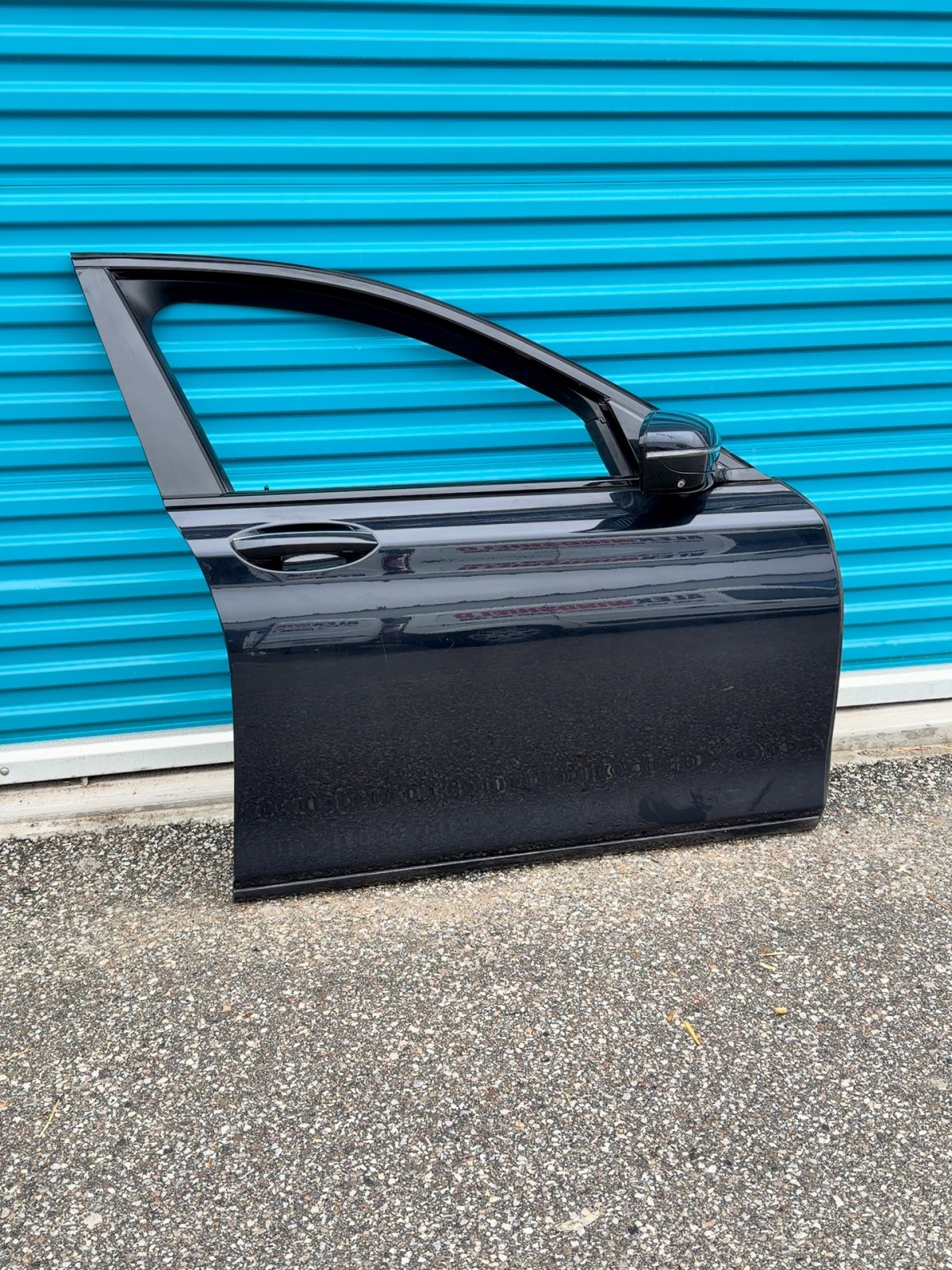
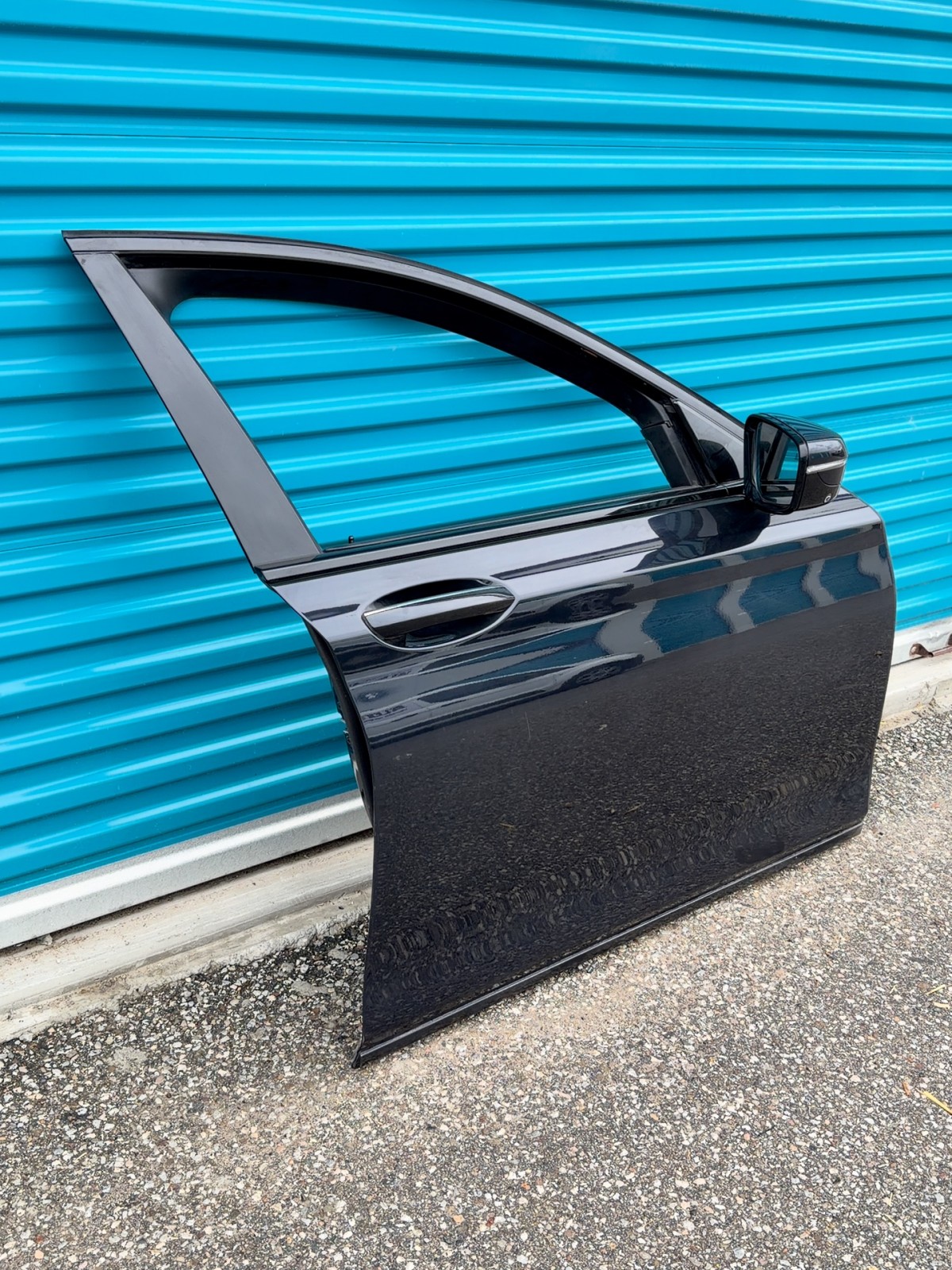
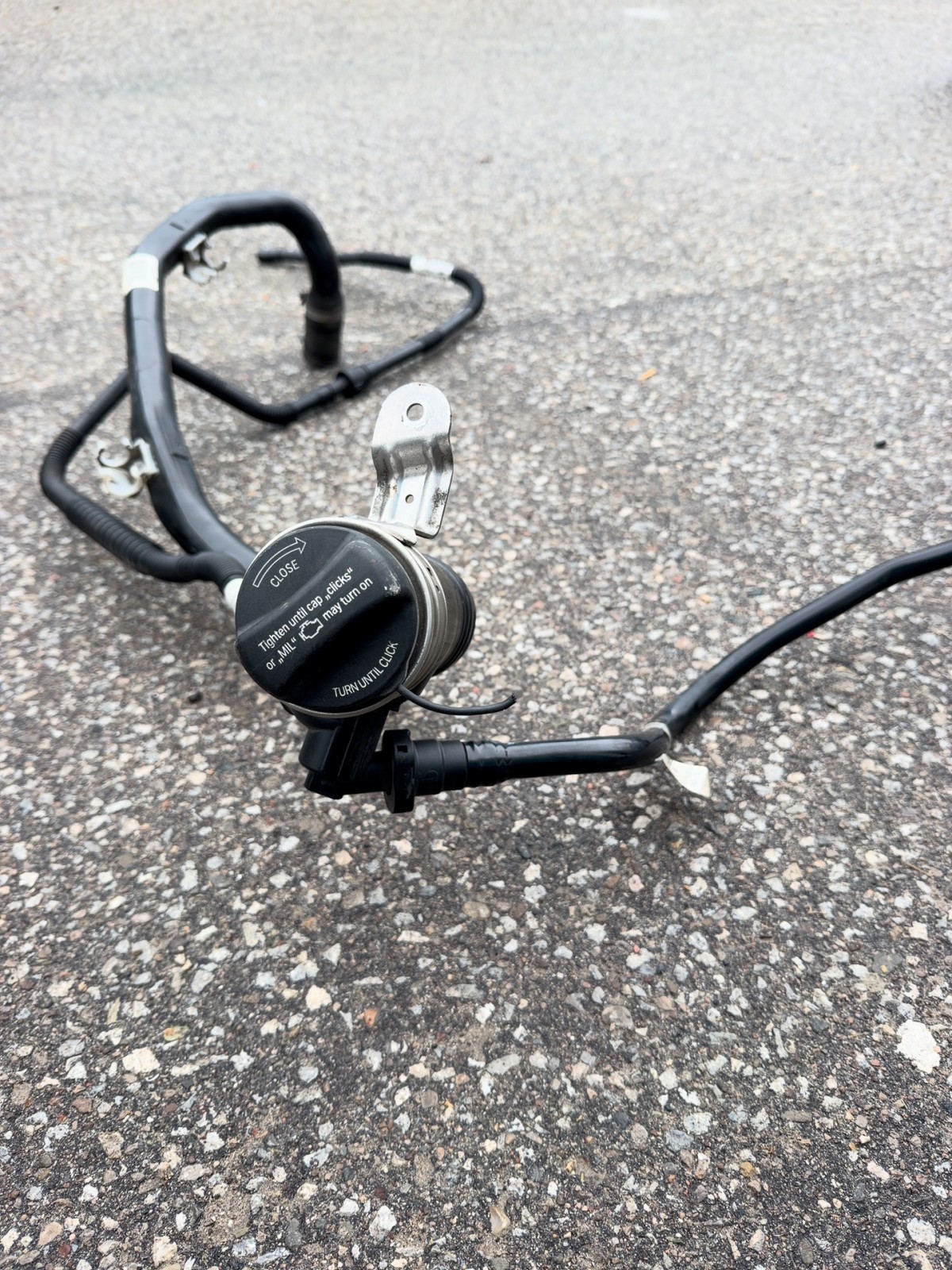
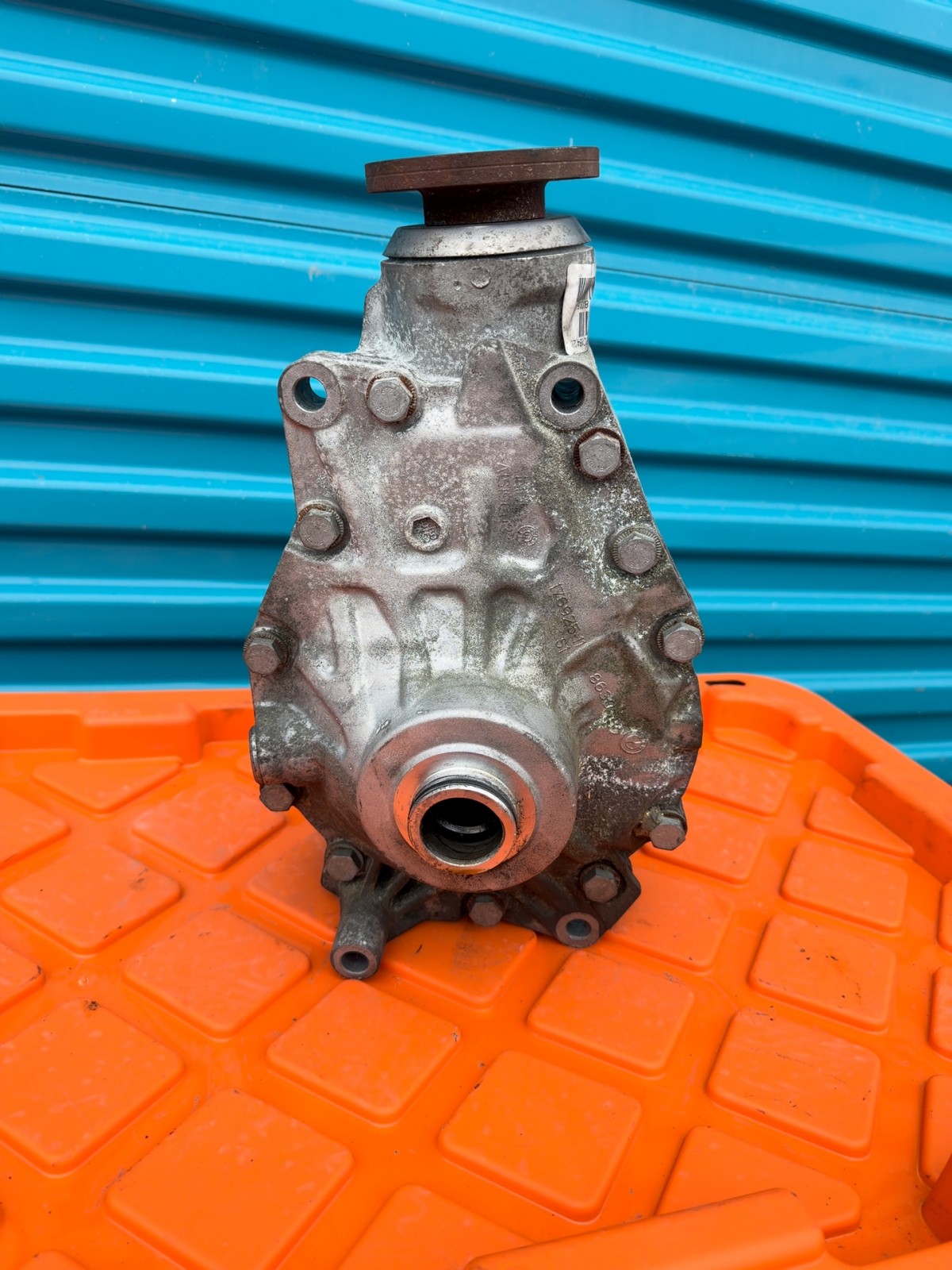

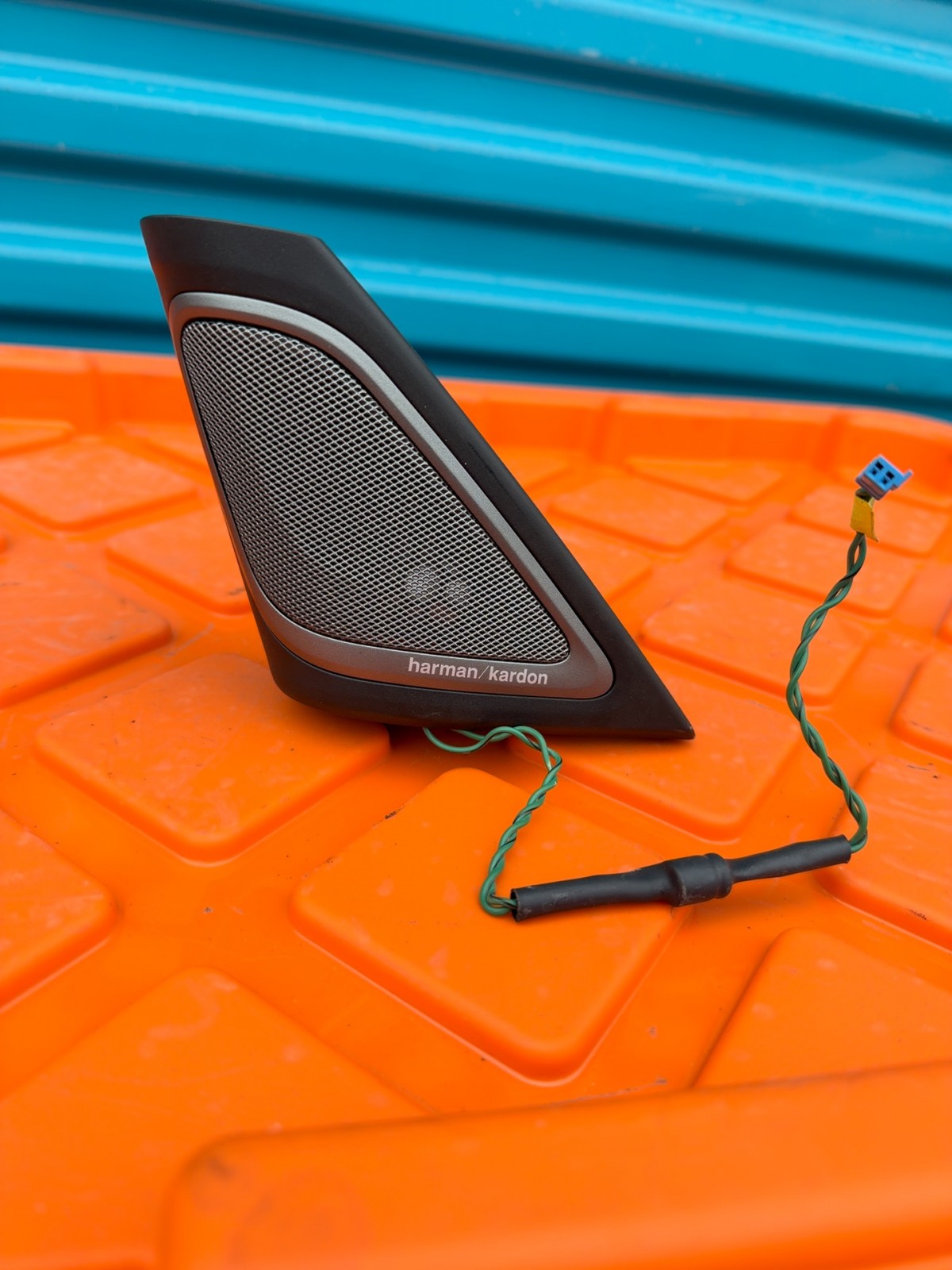

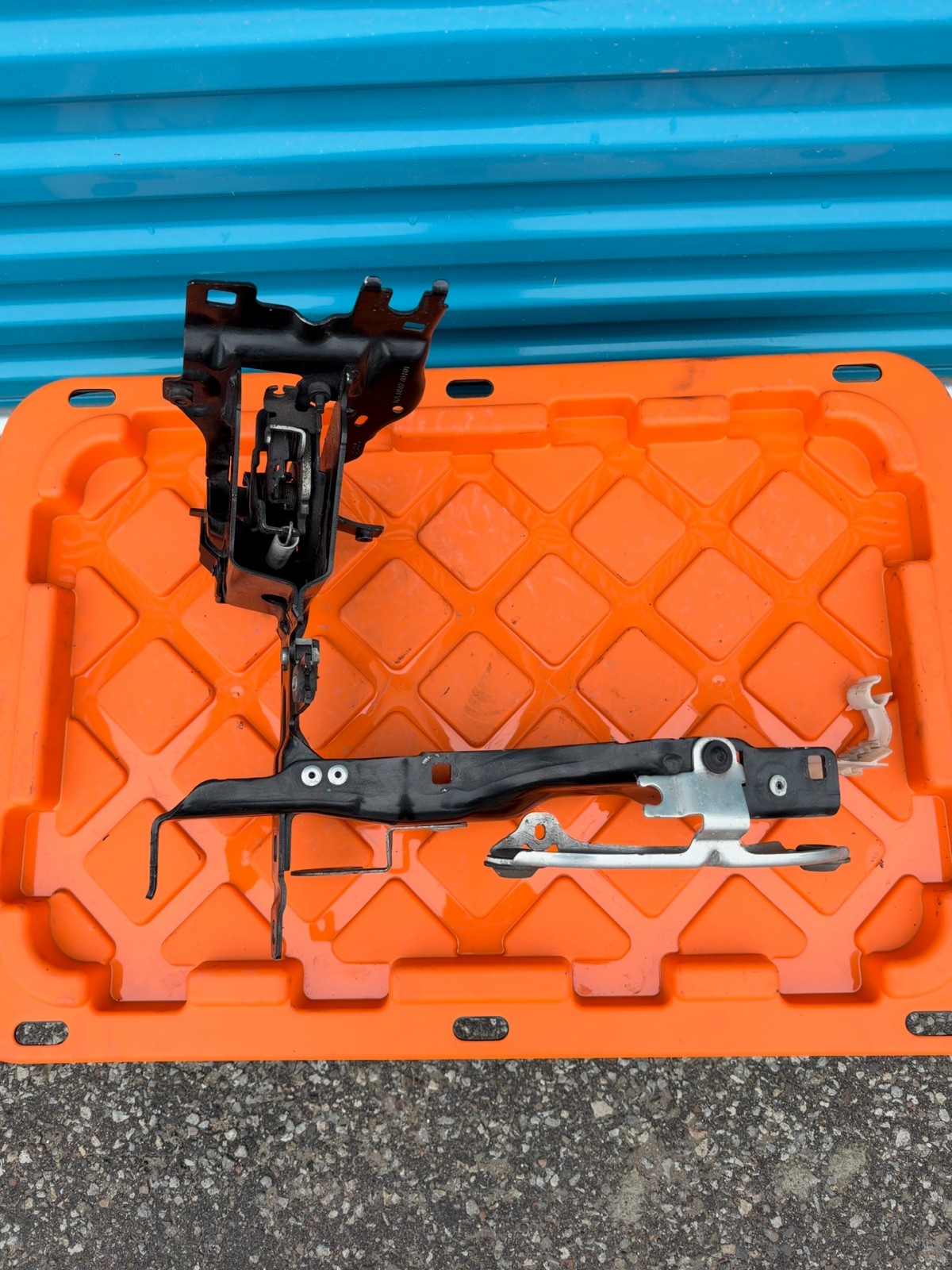



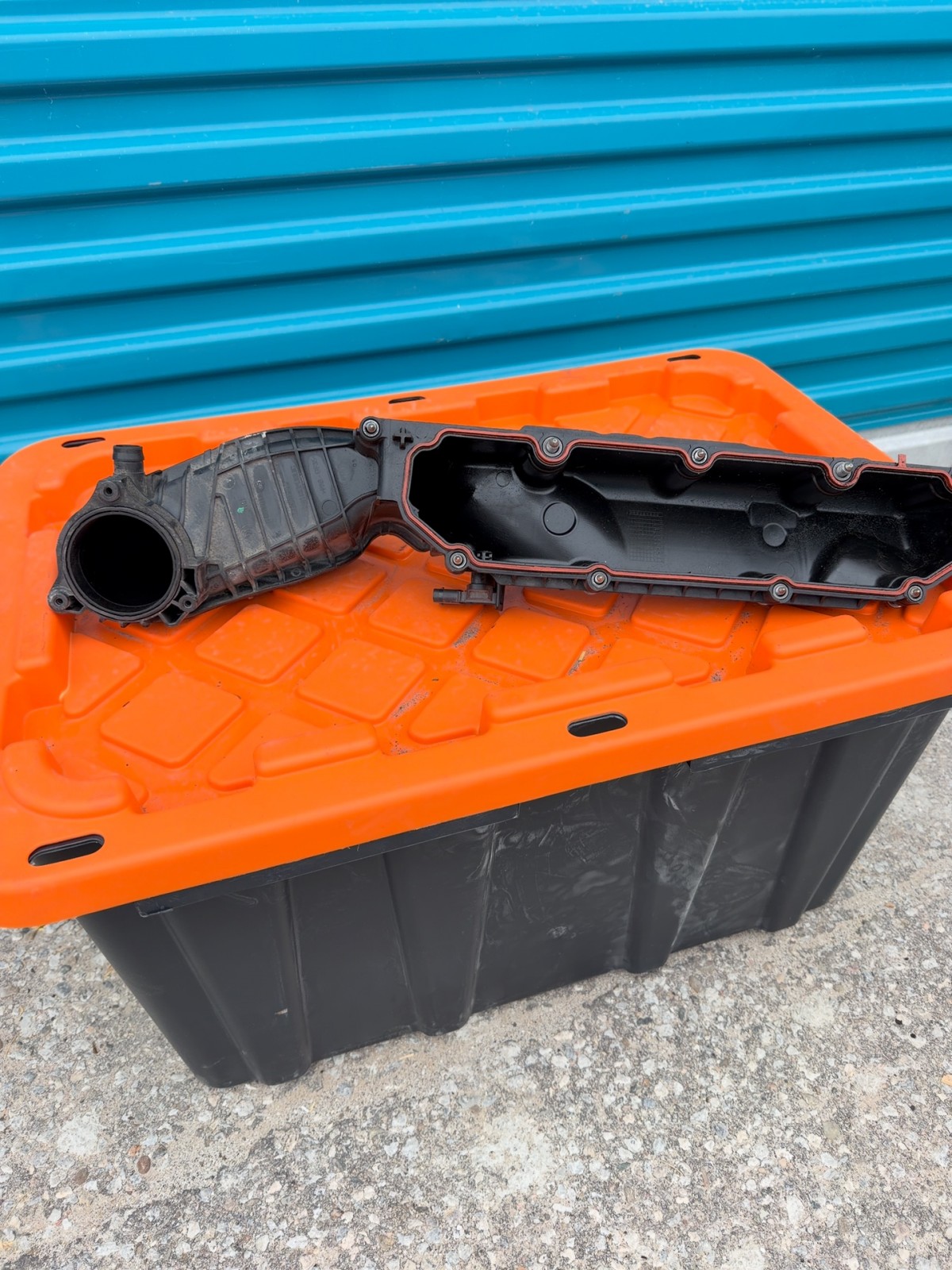


Small parts — lights, mirrors, alternators, wheels — ship as a regular parcel. Purolator, UPS, Canpar or Canada Post, whichever comes out cheapest at checkout.
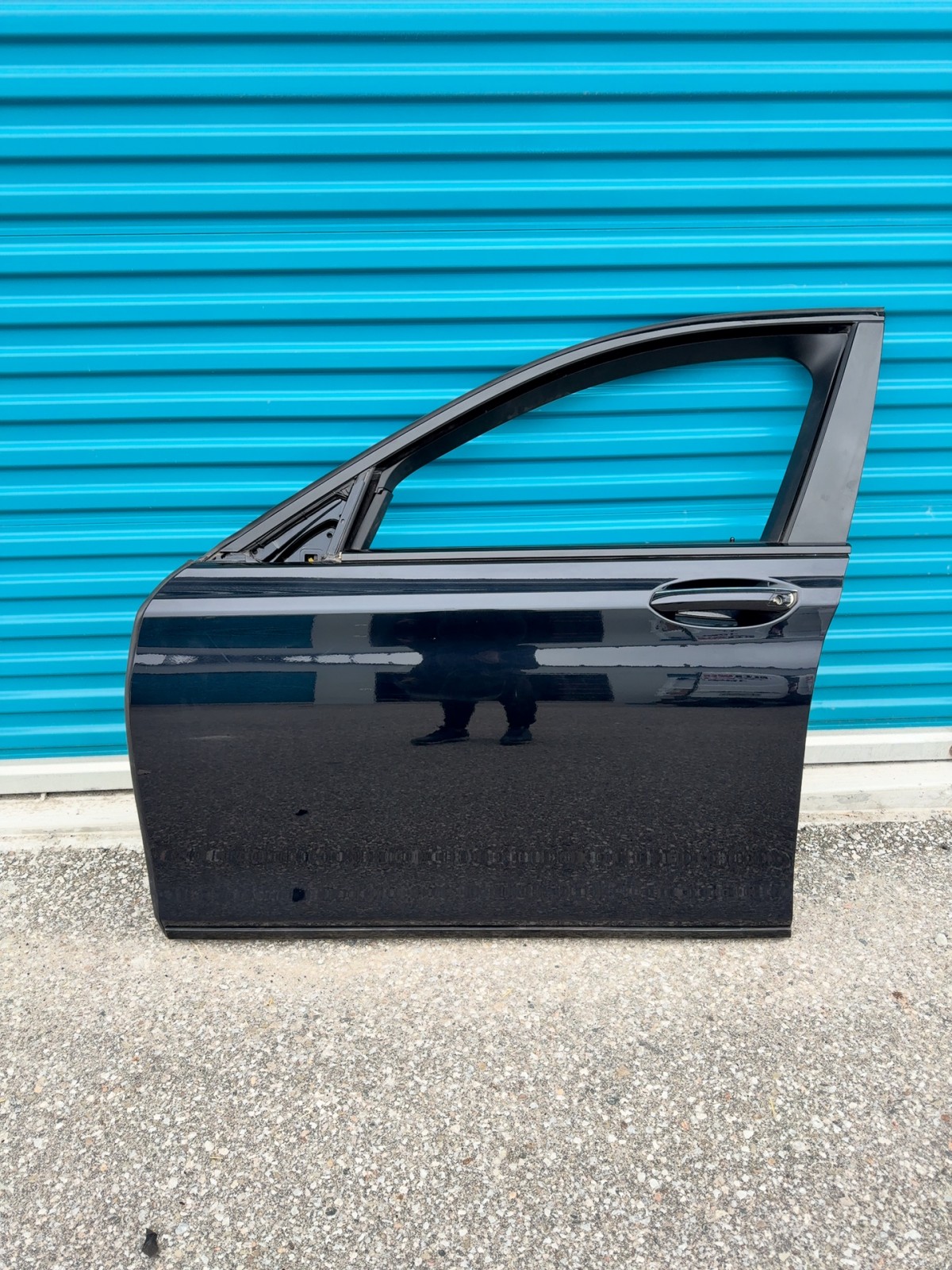
Engines, doors, bumpers and seats go on a pallet with a freight carrier. It costs more and takes longer, and the driver needs a tailgate if you have no loading dock — the price at checkout already accounts for that.
The exact price appears once you enter your address — we quote from live carrier rates, not a table.
Alberta runs sand and gravel instead of heavy salt, which is easy on panels and hard on glass and headlights. Stone chips are the usual reason people here replace a windshield or a light unit rather than rust.
Freight from Ontario to Edmonton runs about a week; parcels arrive much sooner.
Every part listed here came off a vehicle an insurer wrote off. A car is declared a total loss when the repair estimate passes roughly two-thirds of its market value — a threshold that catches plenty of three-year-old cars with one crumpled corner and nothing wrong anywhere else.
That is why a used BMW headlight or door costs half of the dealer price and still fits like the original: it is the original, off the same production line as the part you are replacing. Body panels carry the donor VIN, which body shops and provincial inspectors ask for on structural work.
Expect 50 to 80 percent below dealer pricing. A headlight assembly the dealer lists at $400–600 runs $120–250 used. A bumper cover around $500–700 new goes for $140–260. A complete engine with 60,000 km is $1,200–2,200 against $5,000 and up new.
Prices on this page are what the sellers set — no markup added on top, and the shipping is quoted separately at checkout from live carrier rates rather than guessed at.
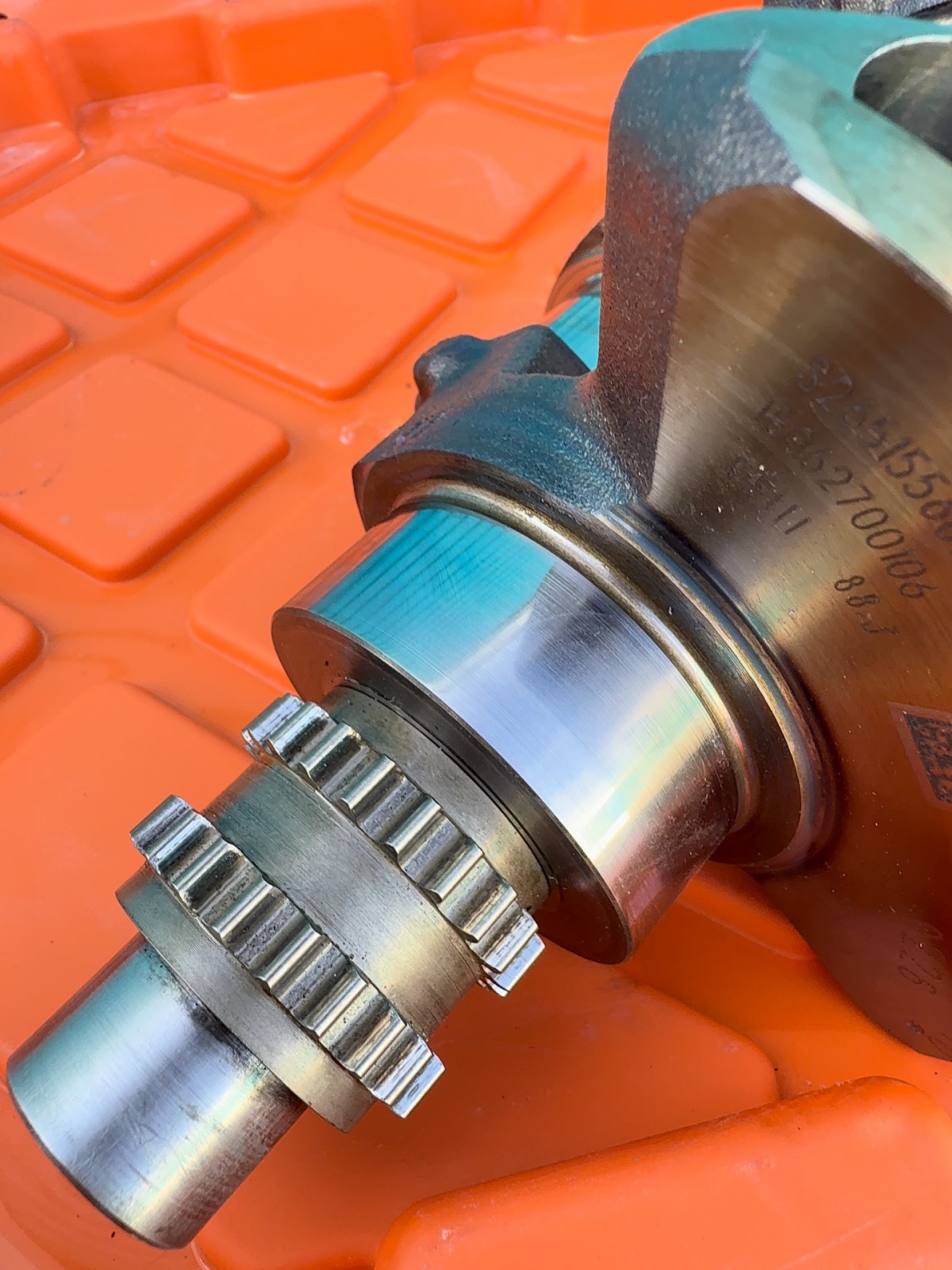
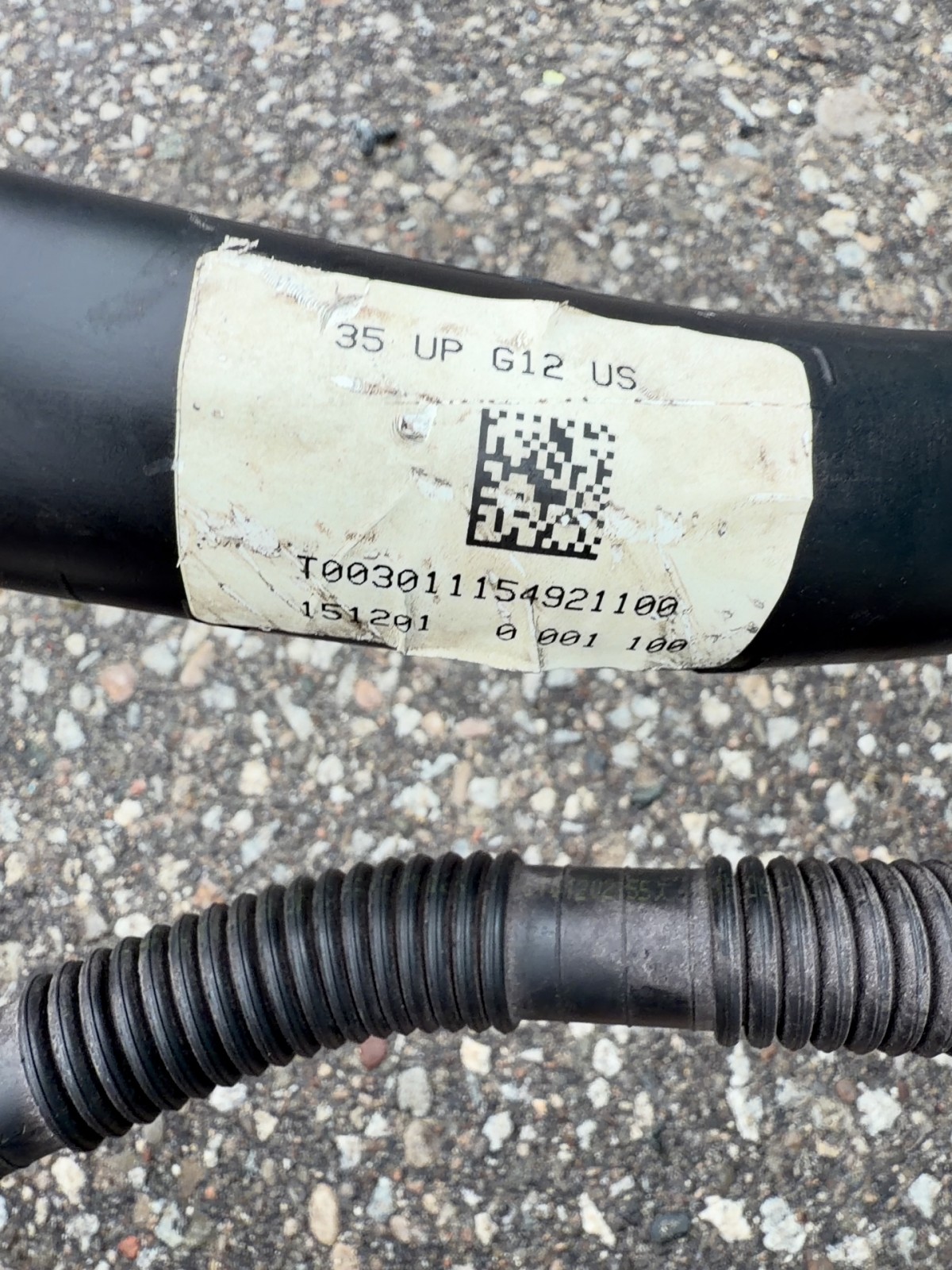
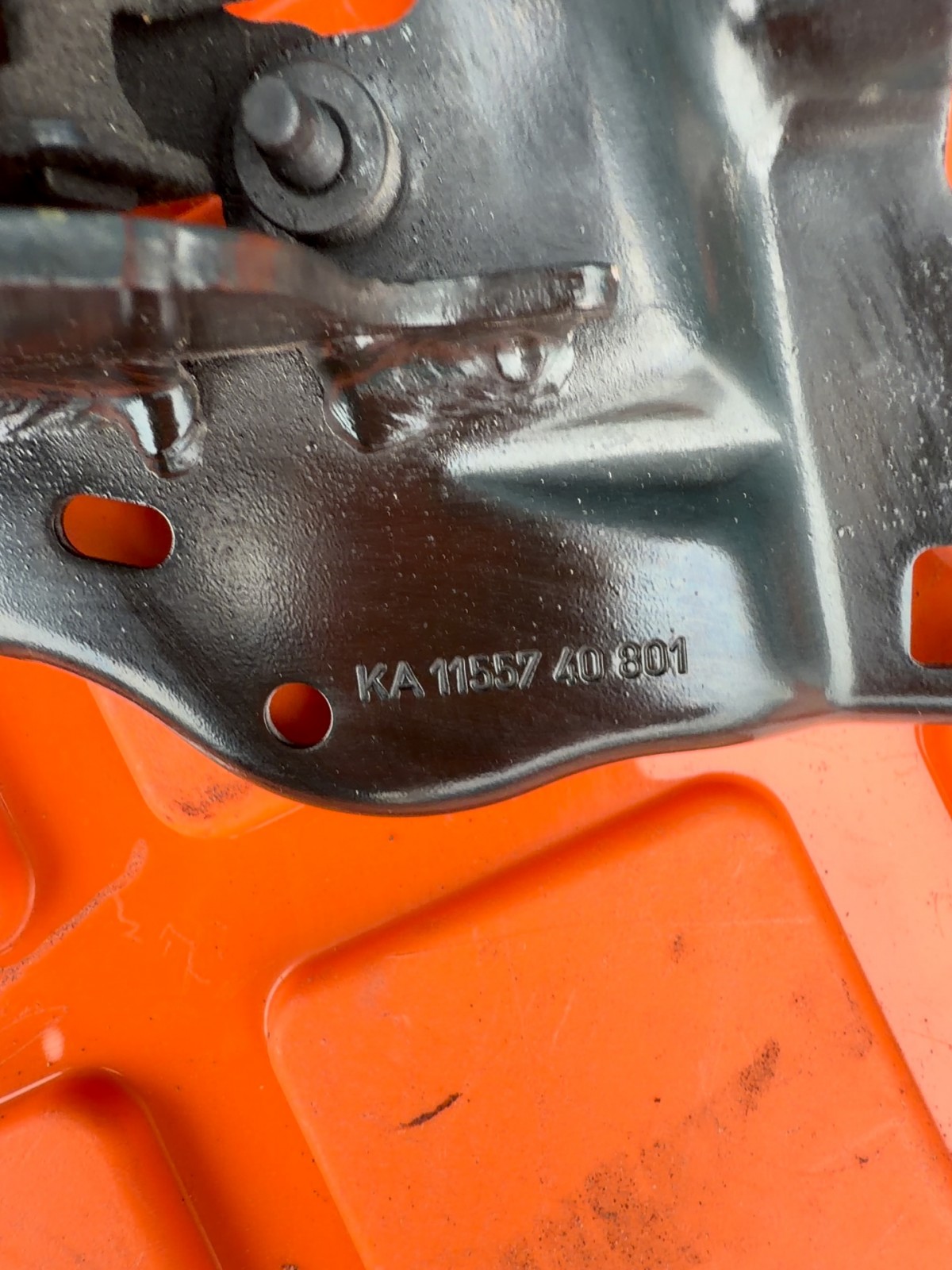
The OEM number is the answer. Manufacturers change parts mid-cycle without renaming the model, so the same year can take two different components. The number stamped on your old part removes the guesswork — search by it and the question is settled.
Body panels swap across models more than you would think. A mirror or a light unit often fits four or five different vehicles from the same maker. If the number matches, it fits, whatever badge is on the listing.
Electronics may need coding. Modules and clusters are often paired to a specific car. They work fine, but a shop has to code them in — worth knowing before you order rather than after.
Lights, mirrors, alternators and wheels ship as ordinary parcels — whichever carrier comes out cheapest for your address. Engines, doors, bumpers and seats go on a pallet with a freight carrier: slower, dearer, and the driver needs a tailgate if you have no loading dock. The checkout price already accounts for that.
If a seller is near Edmonton, pickup shows up as an option — and on anything pallet-sized it saves more than the part often costs to move.
