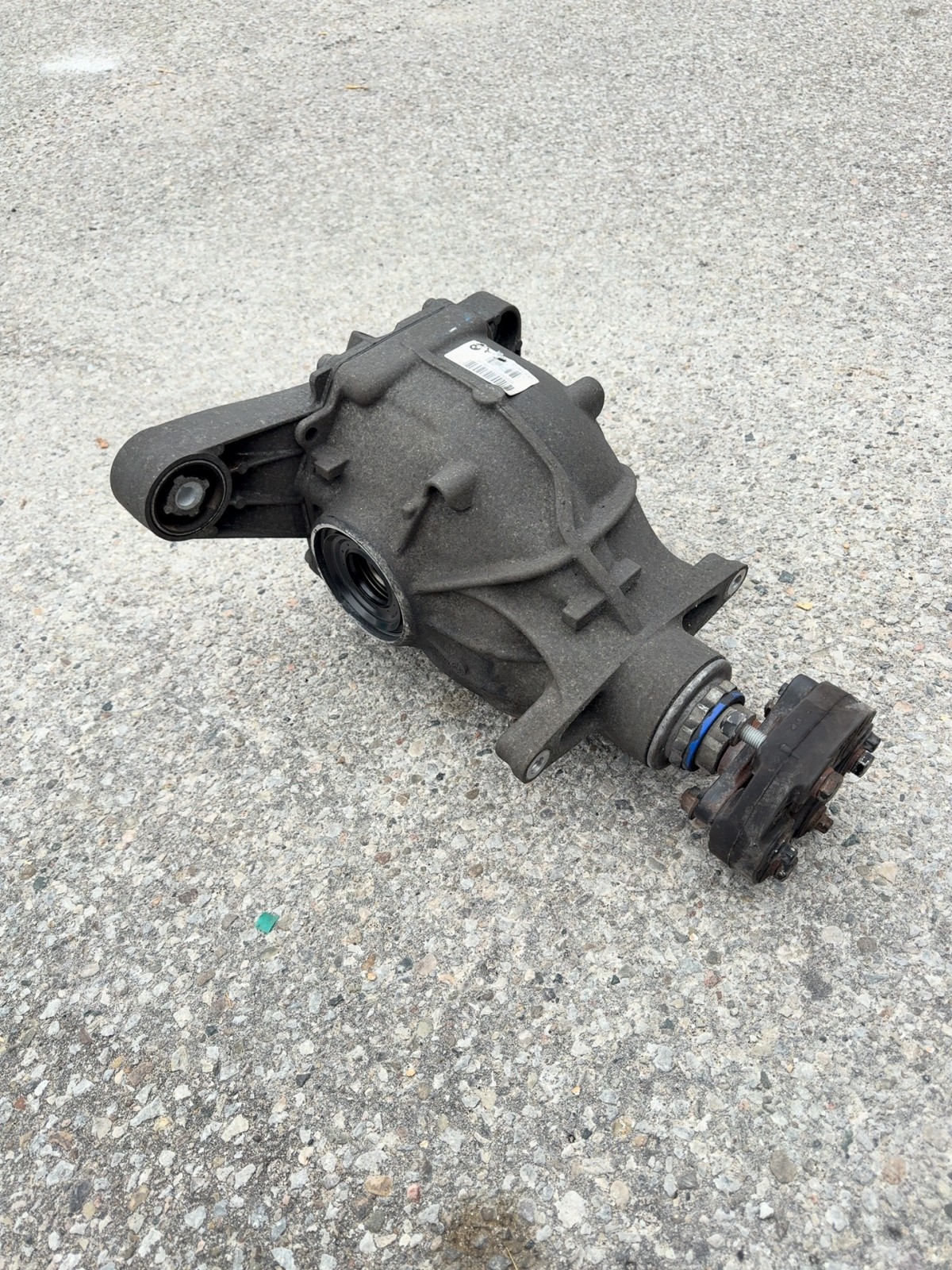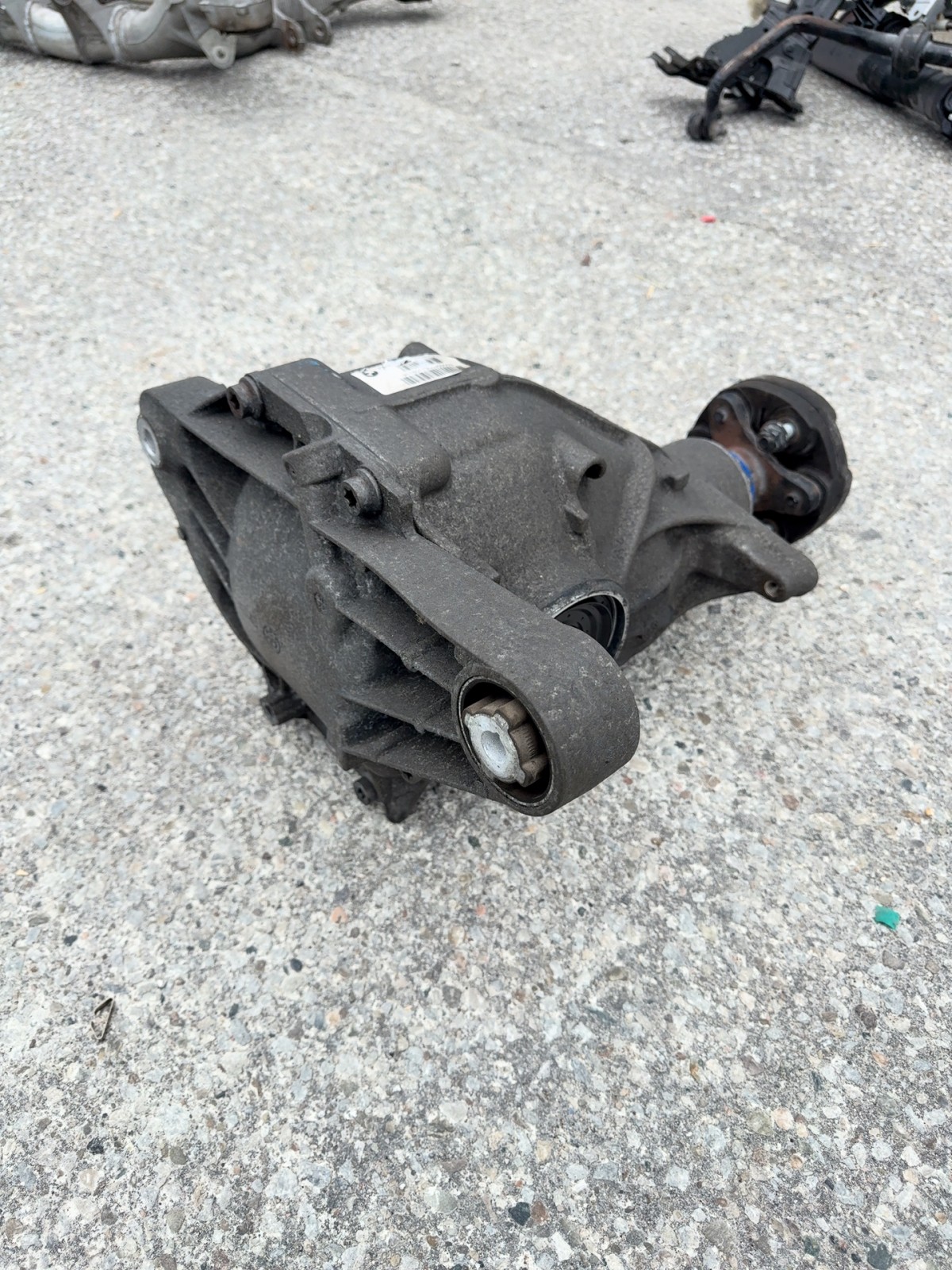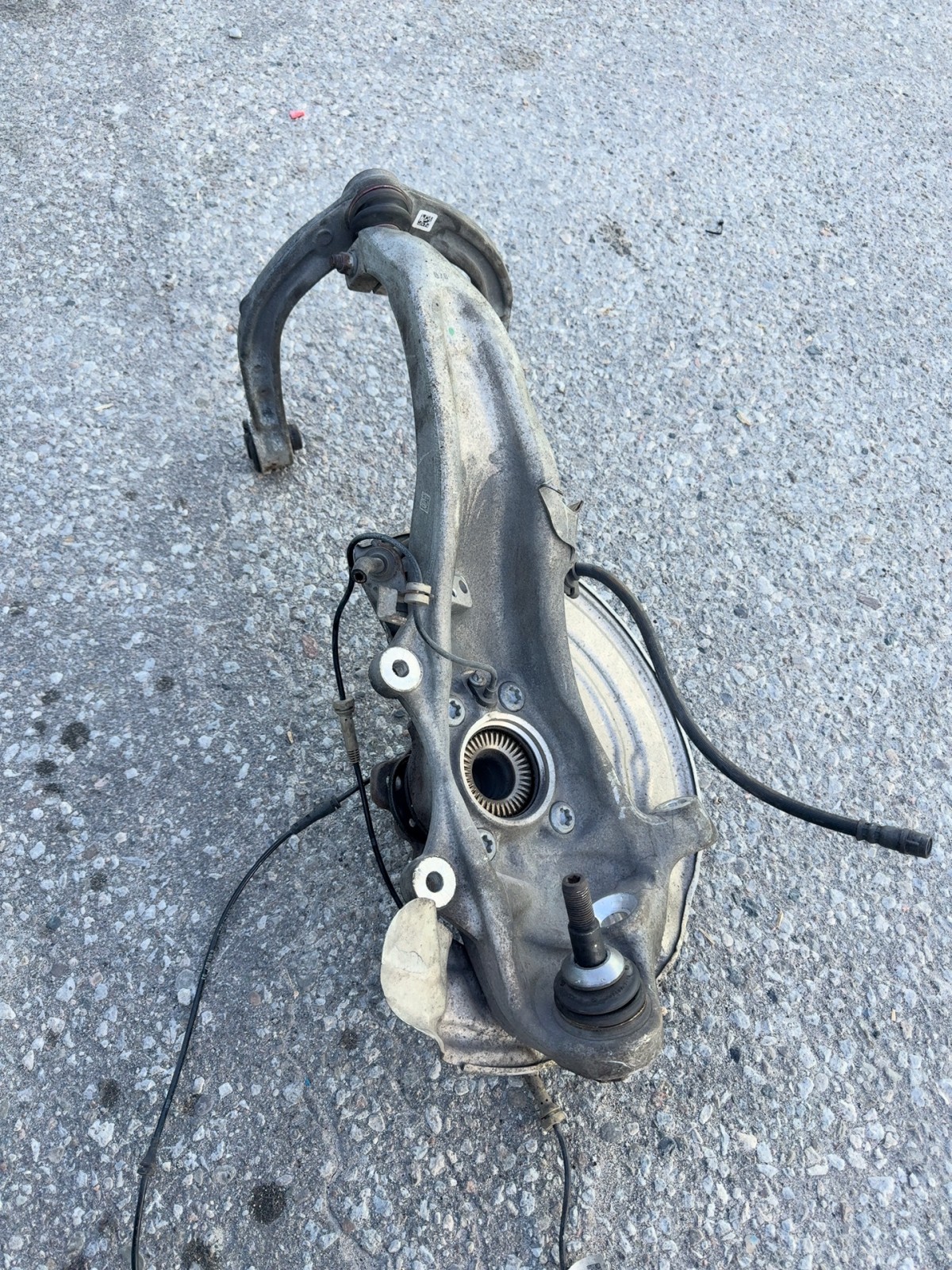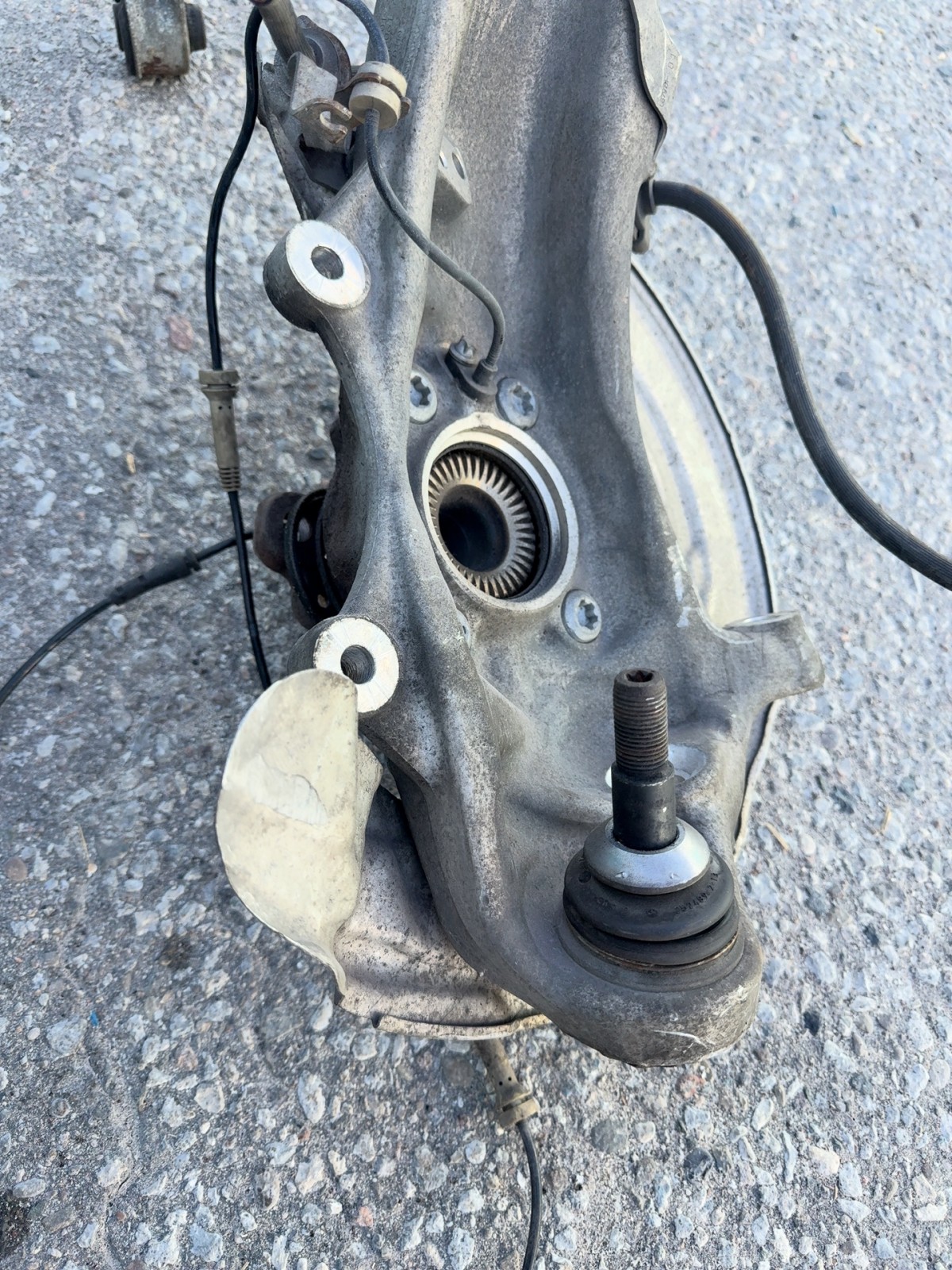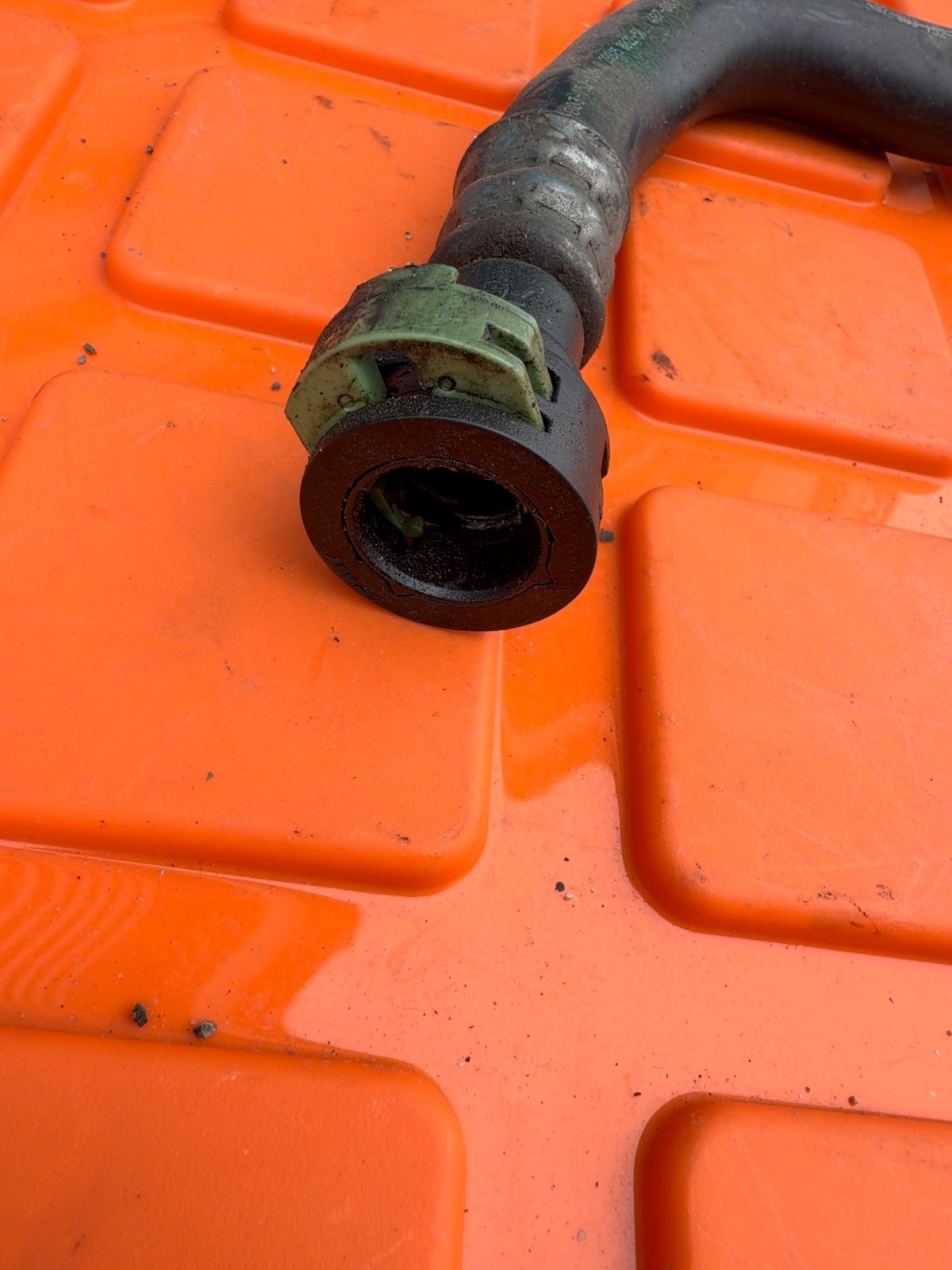
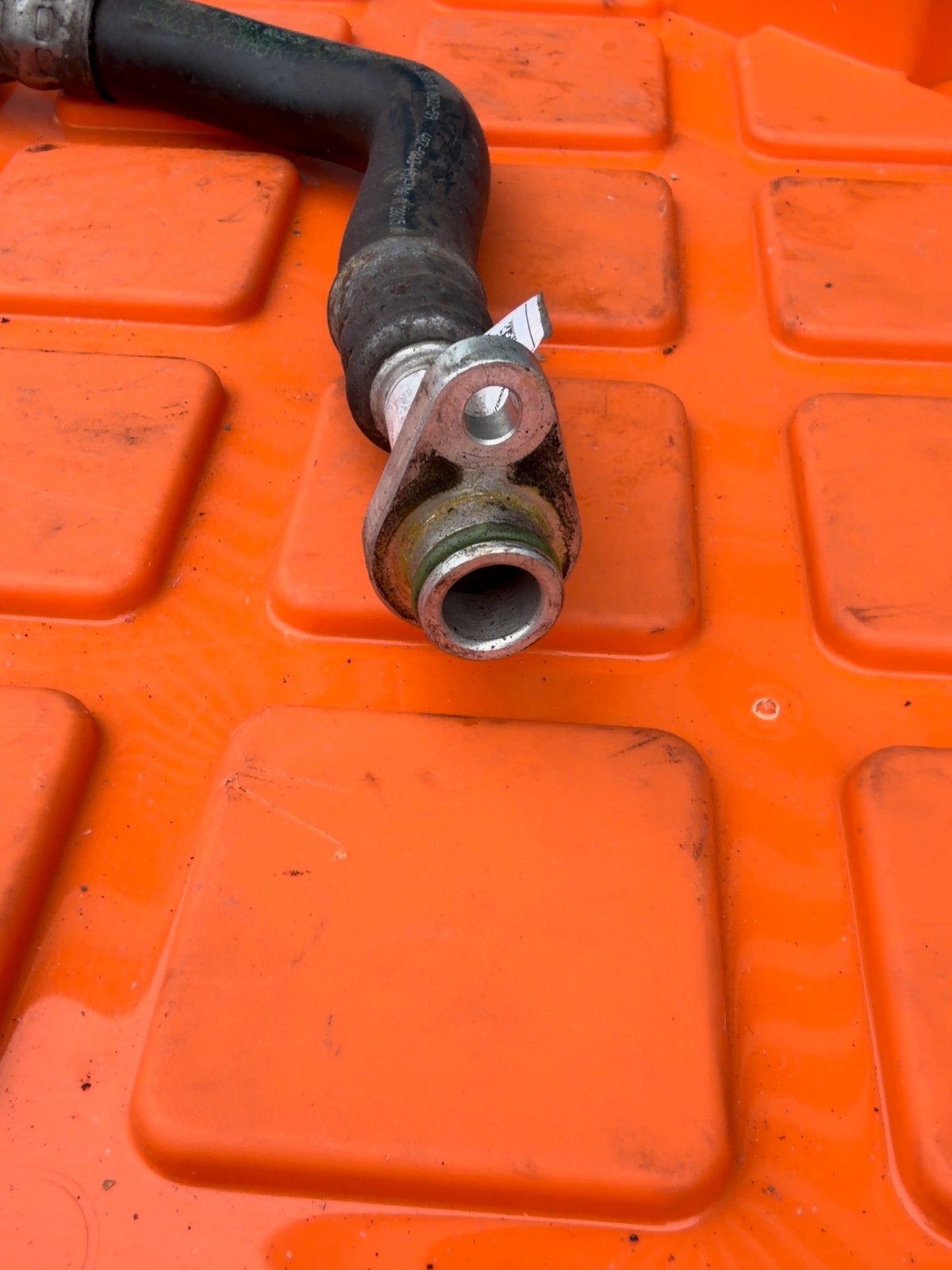
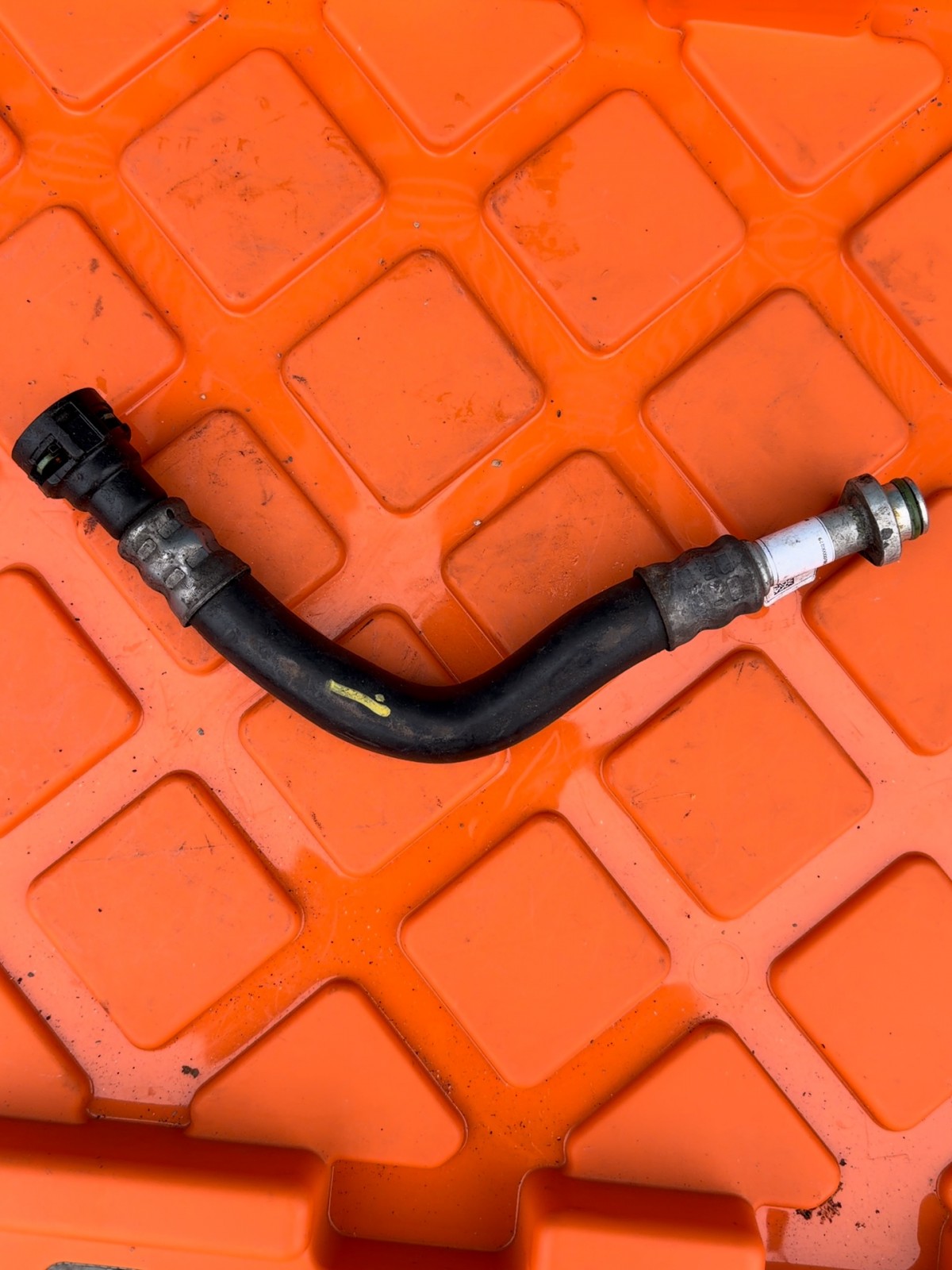
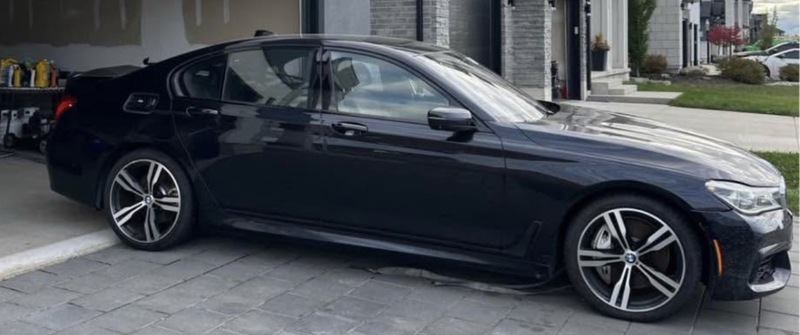

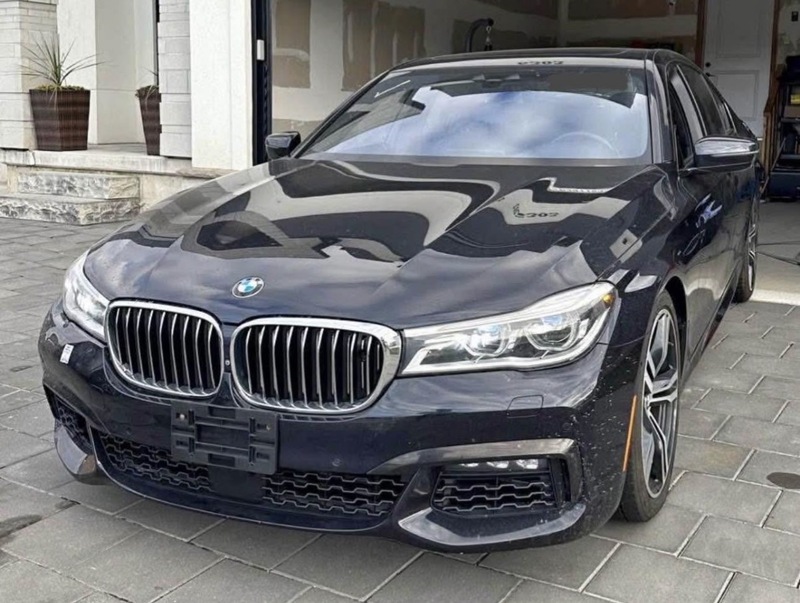

2016-2019 BMW 7 Series 4.4L Oil Line
Specifications
Donor year
2016
Body style
Sedan
Fuel
Gas
Engine size
4.4 L
Transmission
Auto
Drivetrain
AWD
Suspension
Air
Trim
Xdrive m package
Donor mileage
87000
Paint code
A89 Imperial Blue Brilliant Effect
About this part
Also known as
Oil Cooler Line
Turbo Oil Feed Line
Turbo Oil Return Line
Engine Oil Pipe
Oil Hose Assembly
Oil Pressure Tube
What this part does
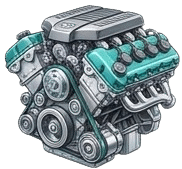
The oil line is a fluid conduit engineered to transport pressurized engine oil to or from critical high-friction components. On the BMW 4.4L V8, these lines are most commonly used to service the twin turbochargers located in the engine valley or to route fluid to the external oil cooler mounted behind the front bumper. This continuous circulation delivers essential lubrication to the turbocharger journal bearings while simultaneously dissipating the immense heat generated by exhaust gases in the "hot-V" engine configuration.
Due to the extreme thermal cycling in this engine bay, the rubber hoses and aluminum crimps on these lines degrade over time. When an oil line fails, it typically develops a pressure leak at the crimped joints, flexible hose sections, or the terminal O-ring seals. A compromised line will result in visible oil pooling in the engine valley, a burning oil odor entering the cabin through the climate control system, visible smoke from under the hood, and a reduction in total engine oil pressure. Continued operation with a leaking fluid line can lead to rapid turbocharger bearing failure or severe internal engine damage due to oil starvation.
Fits these vehicles
| Make | Model | Years | Engine |
|---|---|---|---|
| BMW | 750i xDrive | 2016-2019 | 4.4L V8 |
| BMW | 750i | 2016-2019 | 4.4L V8 |
| BMW | 750Li xDrive | 2016-2019 | 4.4L V8 |
| BMW | Alpina B7 | 2017-2019 | 4.4L V8 |
Before you order
Always confirm the specific routing location of the line you are replacing. The 4.4L engine utilizes a complex network of rigid aluminum and flexible rubber oil pipes; feed lines and return lines feature unique bends, lengths, and flange designs that cannot be interchanged. Trace your existing leak to verify exactly which section of the piping assembly has failed before ordering.
Installation of this replacement part requires brand new copper crush washers or high-temperature Viton O-rings at all flange and banjo bolt connection points. Attempting to reuse the original seals from the vehicle it came from will almost certainly result in a high-pressure fluid leak upon engine startup. Ensure the mating ports on the engine block, oil filter housing, or turbocharger are completely free of scoring, carbon buildup, and old seal material prior to seating the replacement line.