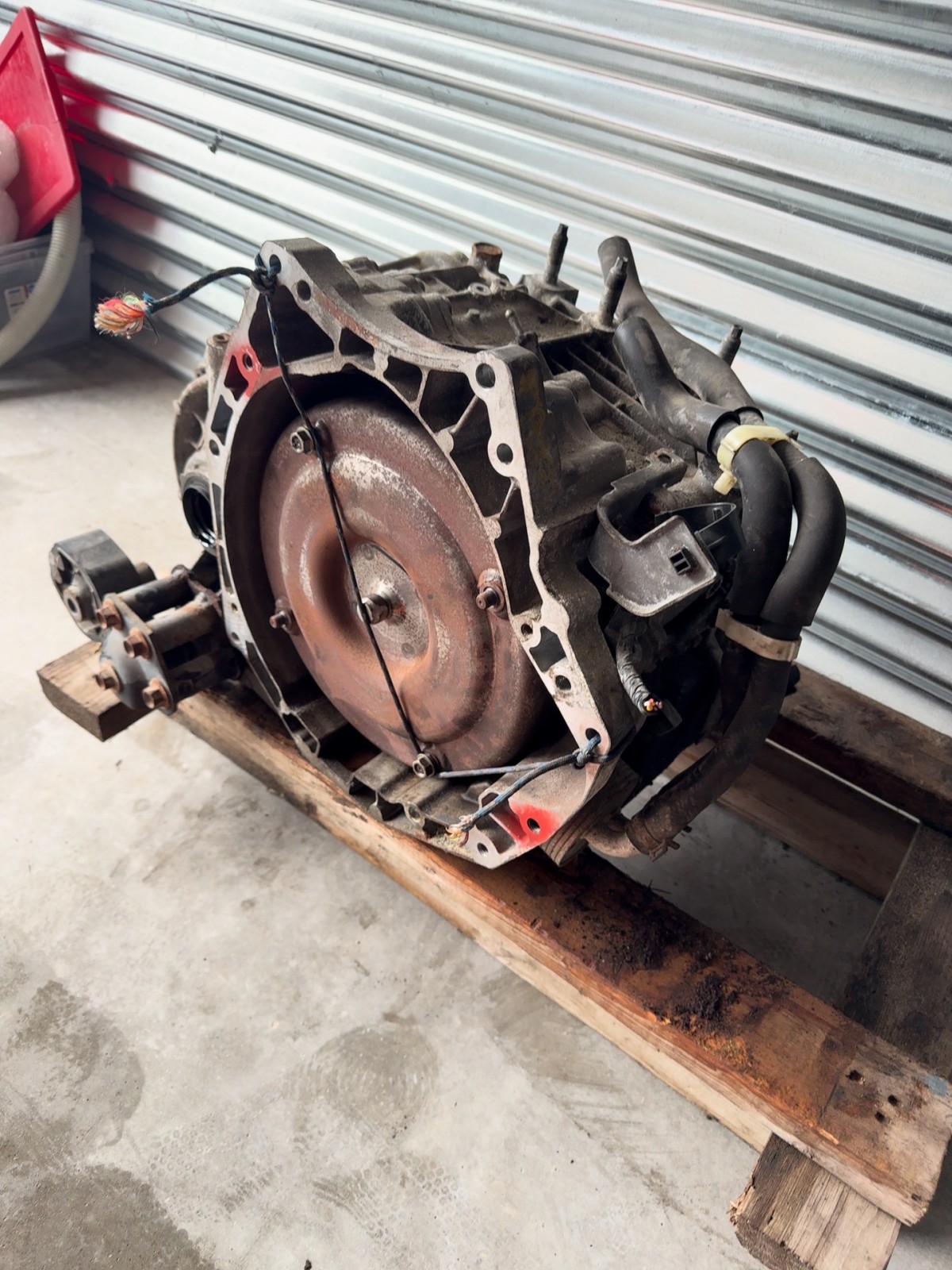
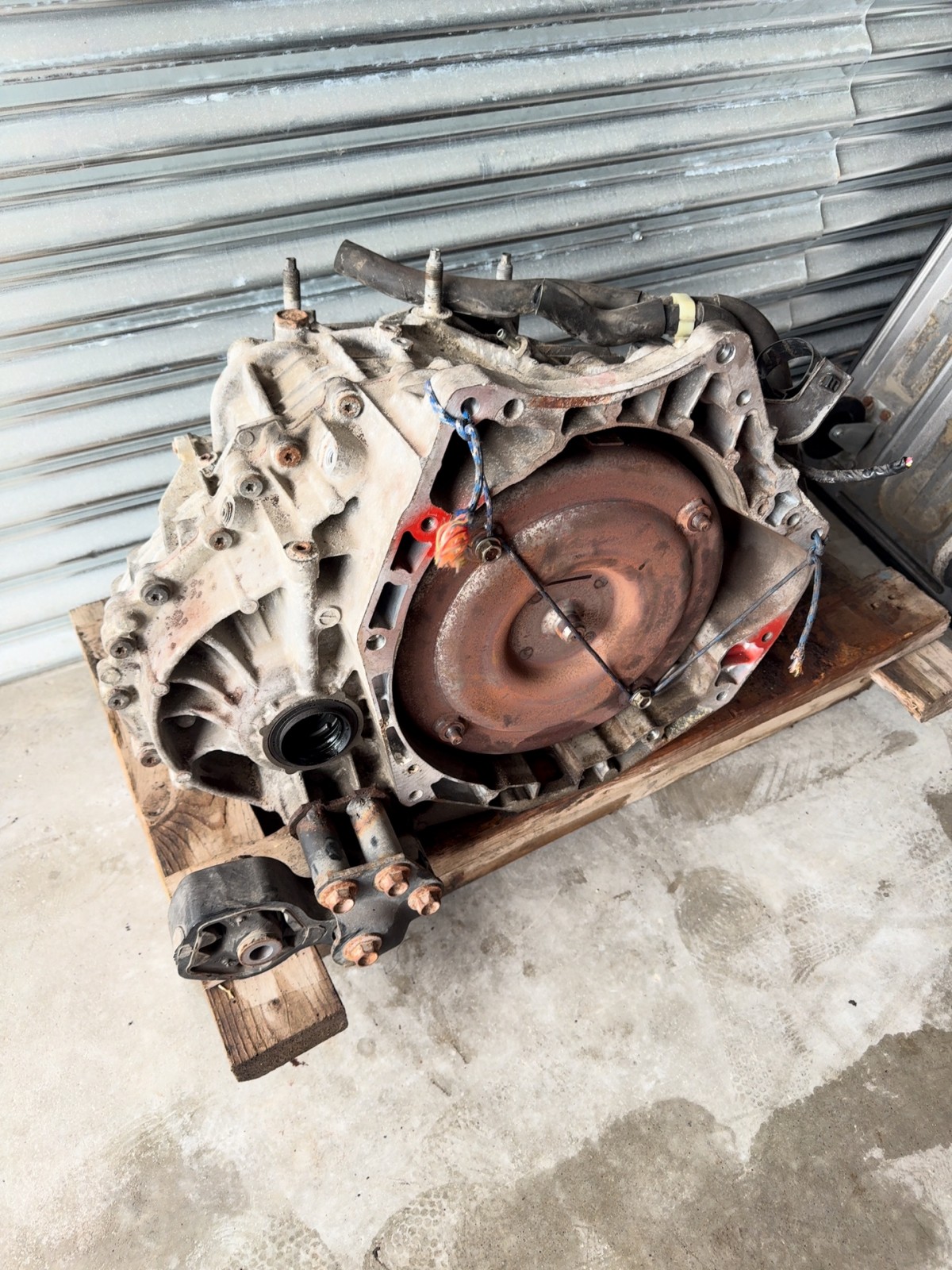
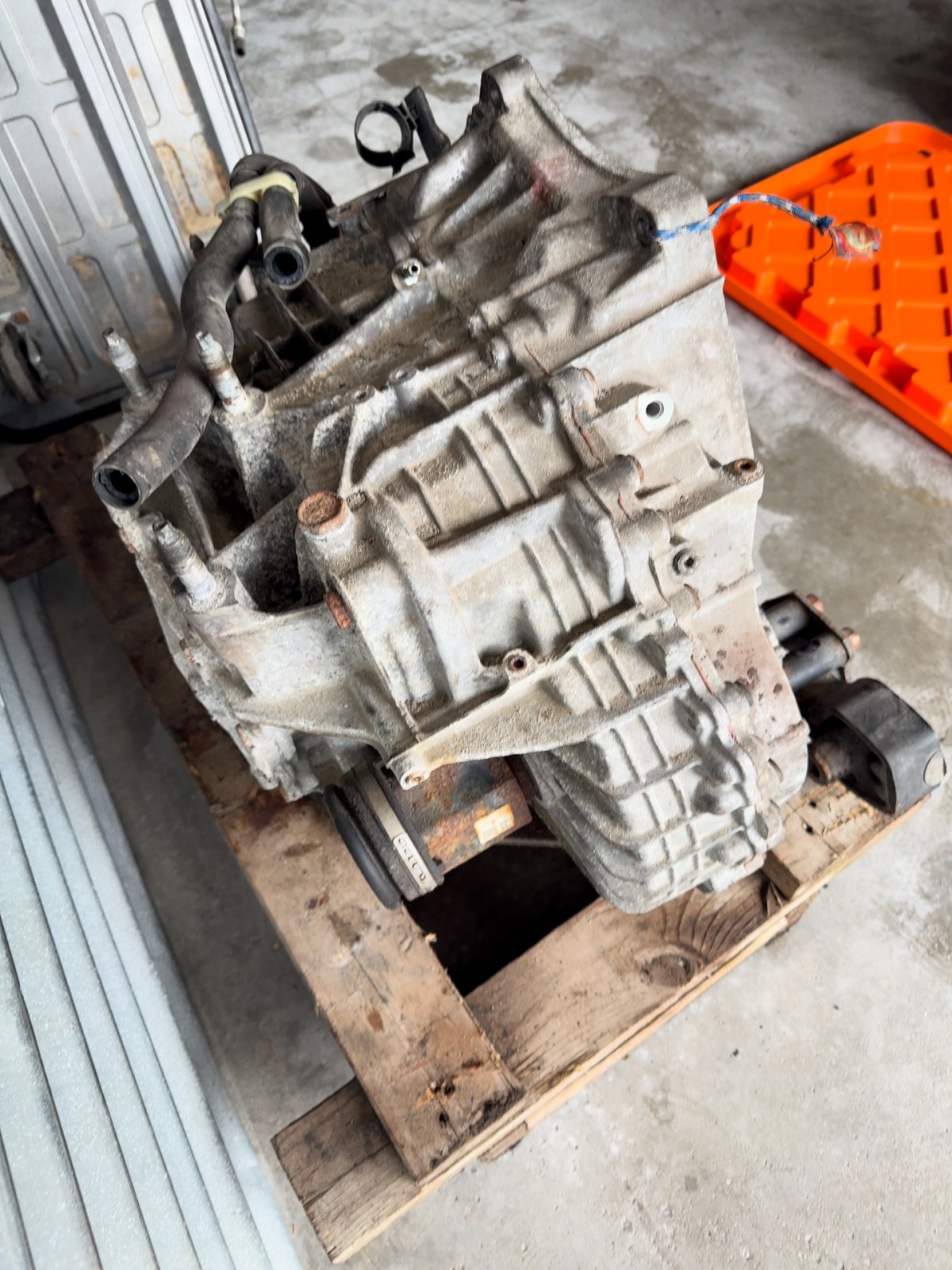
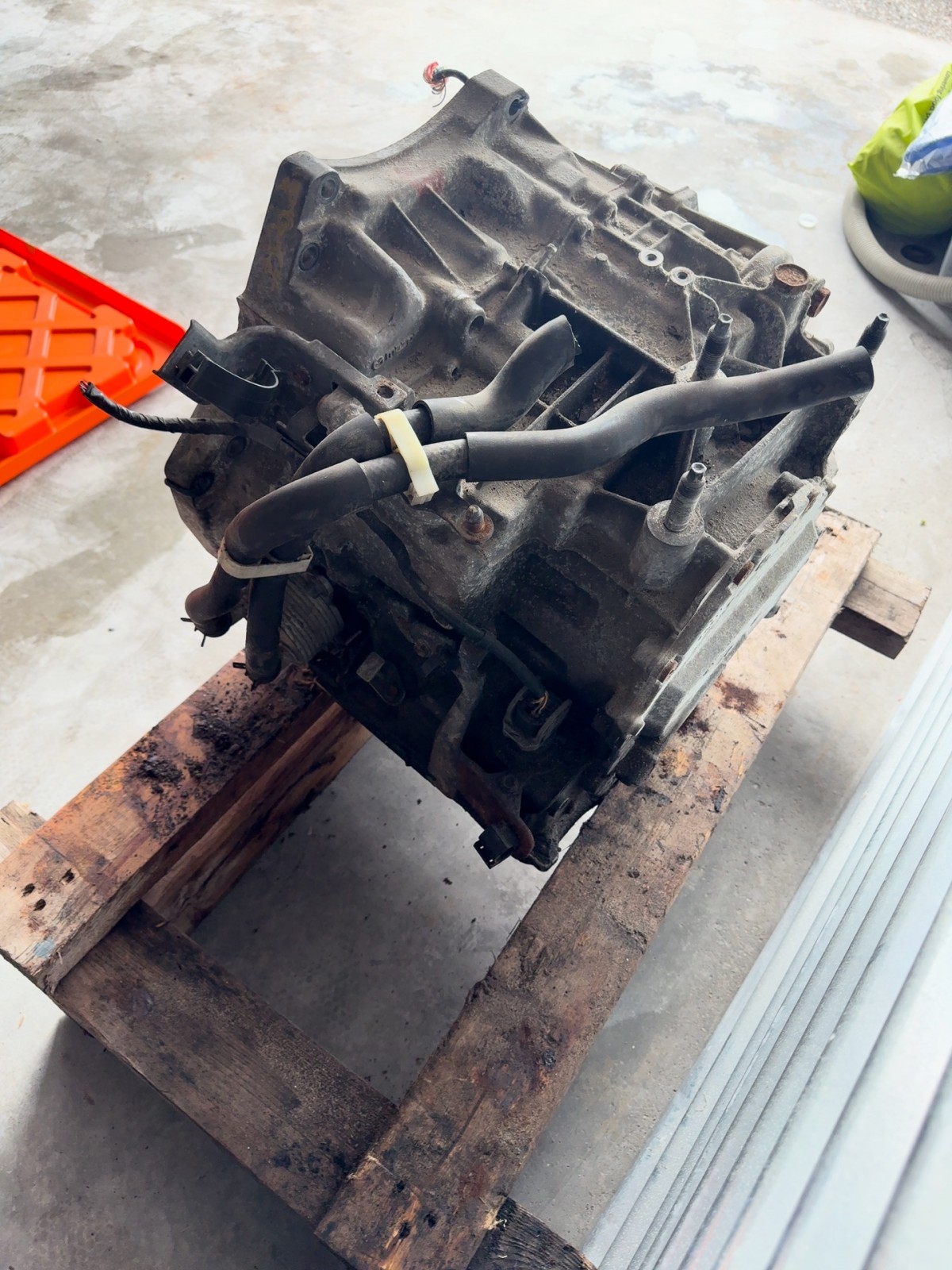









2016-2017 Mazda 6 2.5 Automatic Transmission
Specifications
Donor year
2016
Body style
Sedan
Fuel
Gas
Engine size
2.5 L
Engine type
2.5L I-4 DI, DOHC, VVT, 184HP
Transmission
Automatic
Drivetrain
FWD
Suspension
Coil
Trim
GS
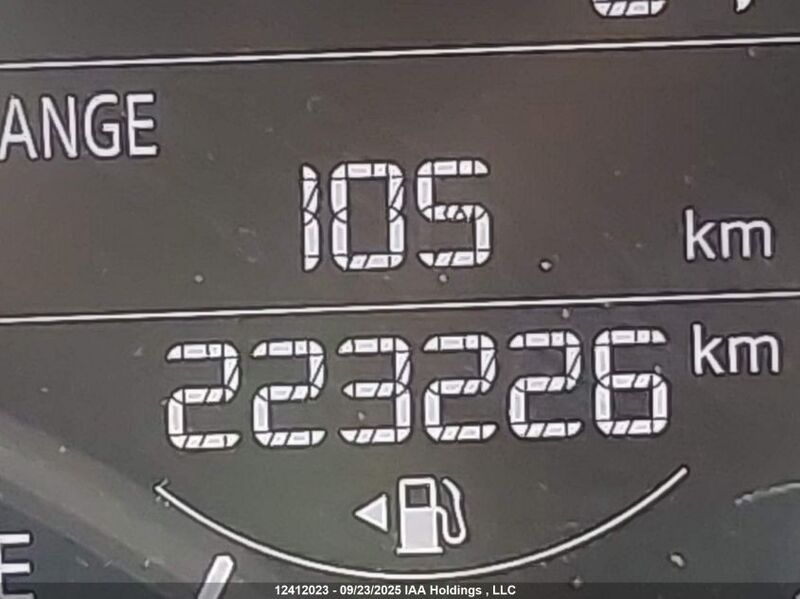
Donor mileage
220000
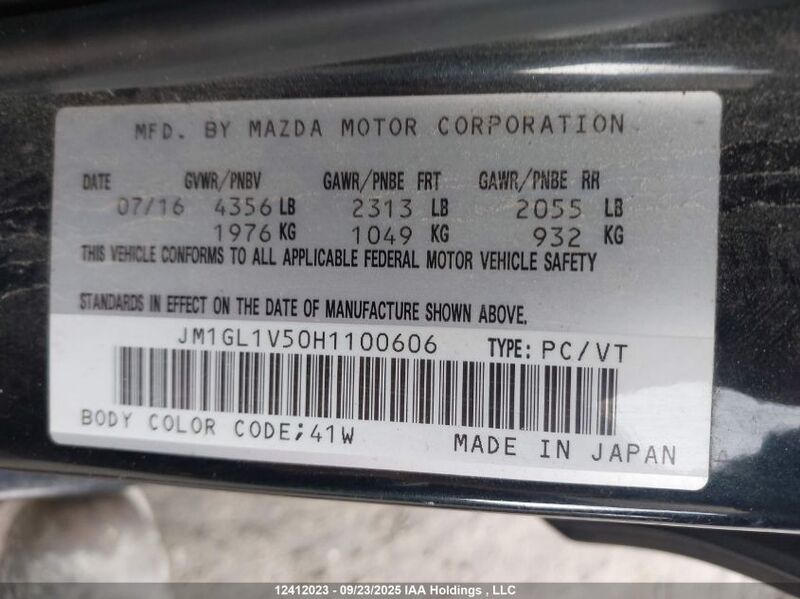
Paint code
41W
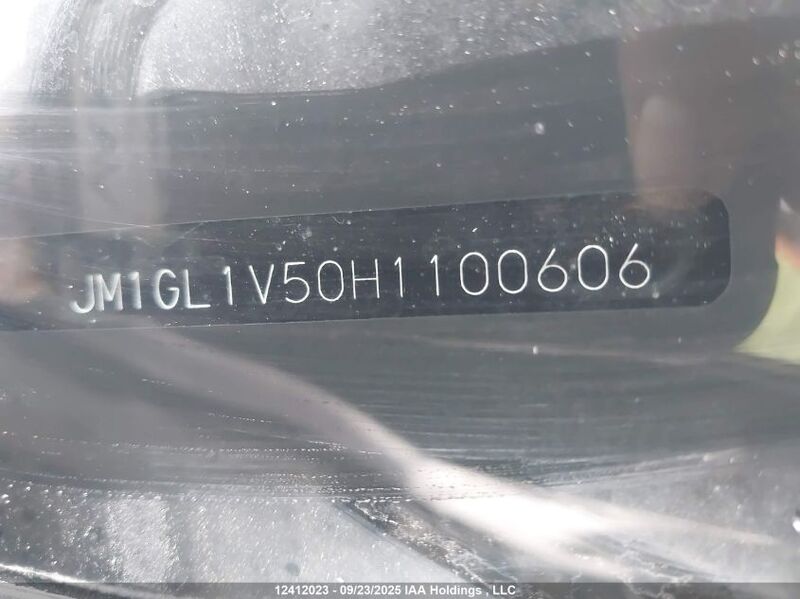
Donor VIN
JM1GL1V50H1100606
About this part
Also known as
Automatic Gearbox
Auto Trans
Transmission Assembly
Transaxle
FWD Transmission
What this part does
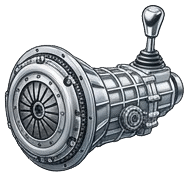
The automatic transmission serves as the critical link between the engine and the drive wheels, utilizing hydraulic fluid, clutches, and gear sets to multiply torque and regulate vehicle speed. In the Mazda 6, this specific Skyactiv-Drive transaxle unit is designed to offer the direct feel of a manual gearbox alongside the smooth operation of a traditional automatic, utilizing a multi-plate clutch alongside a smaller torque converter. It manages gear shifts electronically based on engine load, vehicle speed, and driver input. When this component begins to fail, the vehicle typically exhibits delayed gear engagement, harsh or clunking shifts, engine flaring between gears, or a complete loss of forward or reverse mobility. Severe internal wear often results in metallic debris circulating in the transmission fluid, which further damages the valve body and internal solenoids.
Fits these vehicles
| Make | Model | Years | Engine |
|---|---|---|---|
| Mazda | 6 | 2014-2017 | 2.5L |
Before you order
Verify that your vehicle is front-wheel drive, as all-wheel drive variants utilize a different transaxle housing and transfer case setup. When installing a replacement automatic transmission, you must thoroughly flush the existing transmission cooler and cooler lines to prevent metal shavings from the previous failure from contaminating the new unit. The torque converter must be fully and properly seated into the front pump before attempting to bolt the bell housing to the engine block; failure to do so will destroy the transmission fluid pump upon engine start. Additionally, modern Mazda transmissions often require adaptive shift learning or initialization procedures performed with a specialized bi-directional scan tool to ensure proper shift quality and longevity after installation.